Sign up for our newsletter to be notified of new posts!

How do tyrants exercise power? Why do people submit to authoritarians? These were questions of pressing concern for William Shakespeare, and they are no less fascinating in the age of Donald Trump and Xi Jinping. Reading King Lear, Coriolanus and Richard III can still shed light on leaders past and present, and the societies in their thrall.
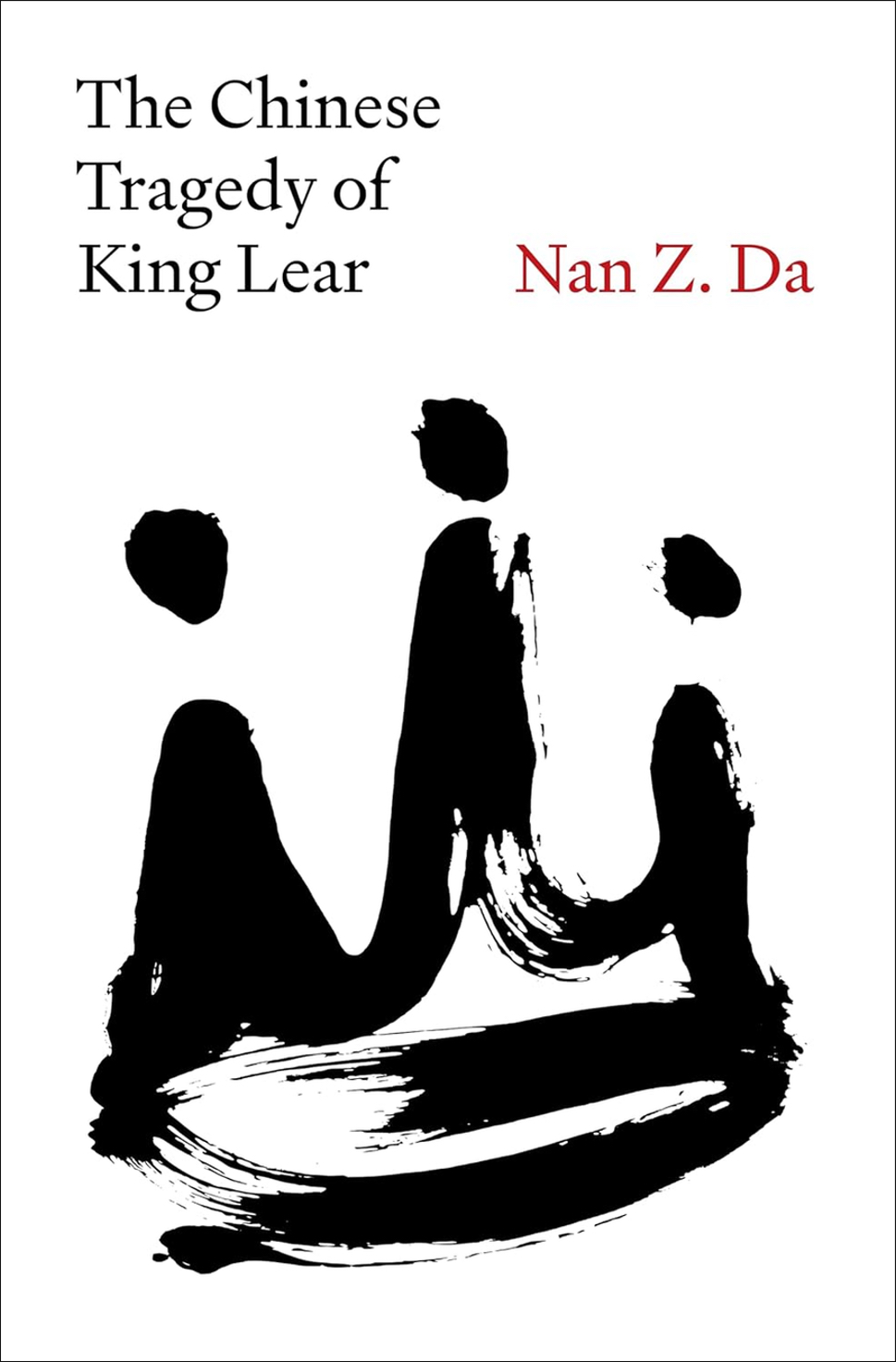
Literary scholar Nan Z. Da’s The Chinese Tragedy of King Lear (Princeton University Press, June 2025) gives us a fresh framework to understand one of Shakespeare’s best known tragedies. A wholly unique work of literary criticism, theory, memoir and history, the book examines China’s long 20th century as a manifestation of King Lear, and seeks to explain the structure of the play through historical analysis of Maoism and its legacies. Nan Z. Da’s ranging intellect pulls readers from the Cultural Revolution to anti-exorcist tracts in Elizabethan England and beyond. Kent, Cordelia and the Fool become something new when painted against the background of Chinese history. This novel reinterpretations of King Lear tell us much about the Shakespearean classic and China, then and now.
Last month, we were delighted to host Nan Z. Da and Harvard University literature professor Stephen Greenblatt, author of Tyrant: Shakespeare on Politics (2018) and other works of acclaimed scholarship, at Asia Society for a conversation moderated by Orville Schell, director of the Center on U.S.-China Relations. Watch the full video:
Something will have happened in America or the West to have triggered the comparison to a Chinese tragedy. … Be careful what you wish for.
Nan Z. Da
Speakers
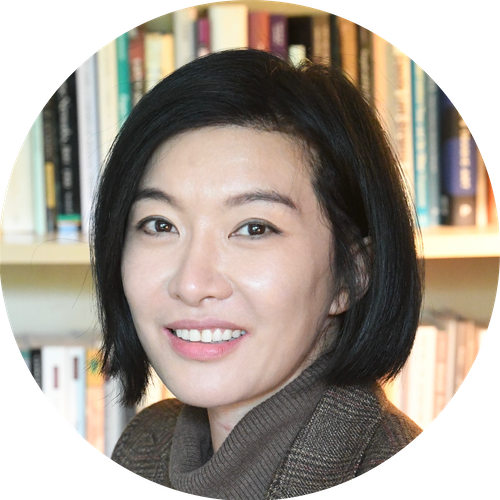
Nan Z. Da teaches literature at Johns Hopkins University, specializing in 19th century American literature and Chinese-U.S. exchange. She is the author of The Chinese Tragedy of King Lear (2025) and Intransitive Encounter (2018), and is at work on a book about inferences that test the limits of the scientific method. With Professor Andrea Gadberry she edits the Thinking Literature monograph series.
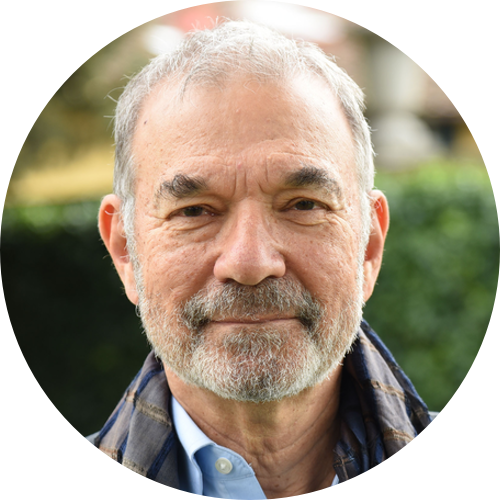
Stephen Greenblatt is Cogan University Professor of the Humanities at Harvard University. He is the author of 14 books, including Tyrant (2018) The Swerve (2011) and Will in the World (2004). He is General Editor of The Norton Anthology of English Literature (2024) and of The Norton Shakespeare (2015). His honors include two Guggenheim Fellowships, and the Distinguished Humanist Award from the Mellon Foundation.

Orville Schell is the Arthur Ross Director of the Center on U.S.-China Relations at Asia Society, and co-publisher of the China Books Review. He is a former Professor and Dean at the University of California, Berkeley, and author of over ten books about China. He is a regular contributor to The New York Review of Books, The New Yorker, Foreign Affairs and other publications, and has traveled widely in China since the 1970s.
The full totalitarian system [hadn’t] yet quite been invented. … Shakespeare succeeded in staying out of jail his whole life, so he was very good at it.
Stephen Greenblatt
The video of this talk was also posted at Asia Society. ∎