Sign up for our newsletter to be notified of new posts!
In early November, Liao Jing’s debut novel Spring Will Never Fall won the 2025 Blancpain-Imaginist Literary Award, earning a hearty $40,000 prize. But reader plaudits for the book (which this column reviewed in April) have not been as forthcoming. The Blancpain-Imaginist award, a collaboration between a Swiss watchmaker and a Chinese publishing house, has been the premier award for Chinese writers under 45 since its debut eight years ago. But it has drawn criticism for its selection criteria and for the quality of the contemporary mainland literature it recognizes. The winter award ceremony marks a whimpering end to a difficult year for mainland publishing: sales are sluggish amidst economic woes; and a plagiarism scandal (which we covered in July) continues to haunt the scene.
Perhaps now is a good opportunity — for sinophone readers and writers — to shift their gaze outward for inspiration. In this edition of the column, we present five titles by authors from the broader sinosphere. Each of them holds a different relationship with the world and the Chinese language. One was born in the mainland but has drifted from Hong Kong to Taiwan; another emigrated from Malaysia to China; some travel regularly between China, Taiwan and the United States. While their experiences vary, their works bring fresh energy to sinophone literature by telling stories about our interconnected world.
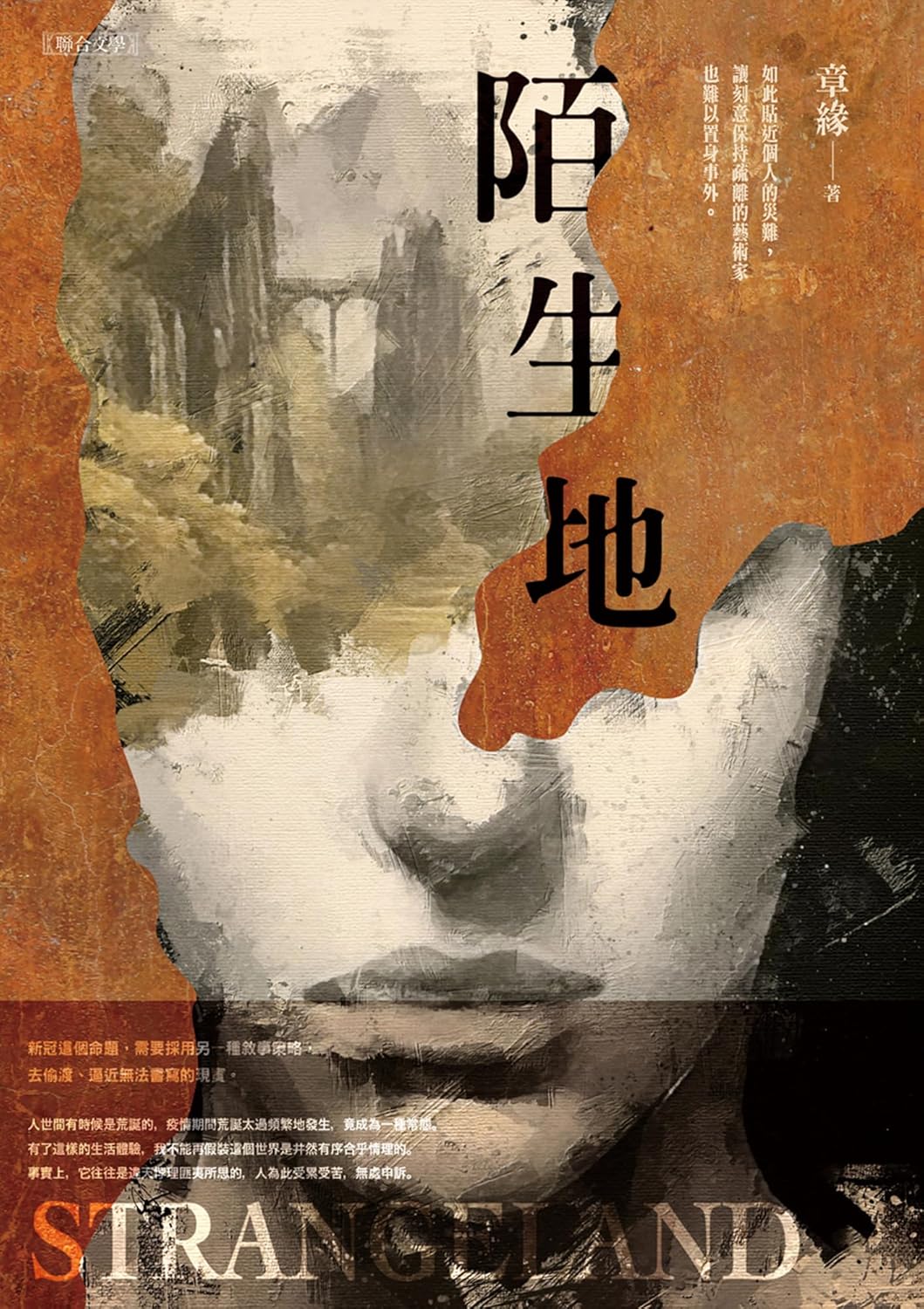
The Strange Land
陌生地
During the pandemic, Taiwanese novelist Berlinda Chang divided her time between Taipei and Shanghai. She was subjected to equally stringent yet different quarantine policies as she moved across borders. This experience provided the impetus for her latest short story collection, The Strange Land. In the titular story, a competent urban woman travels to an unnamed Indonesian island to meet her lover, only to find herself swept up in a clandestine system of self-quarantine to contain a fatal and highly contagious virus. Relying solely on her mysteriously aloof lover for supplies and connection to the outside world, she comes to question their shared past and her perception of the modern world. She attempts to escape her quarantine cell, but can her mind move past the unspeakable imprint left by her confinement? It’s a feeling that many of us can relate to.
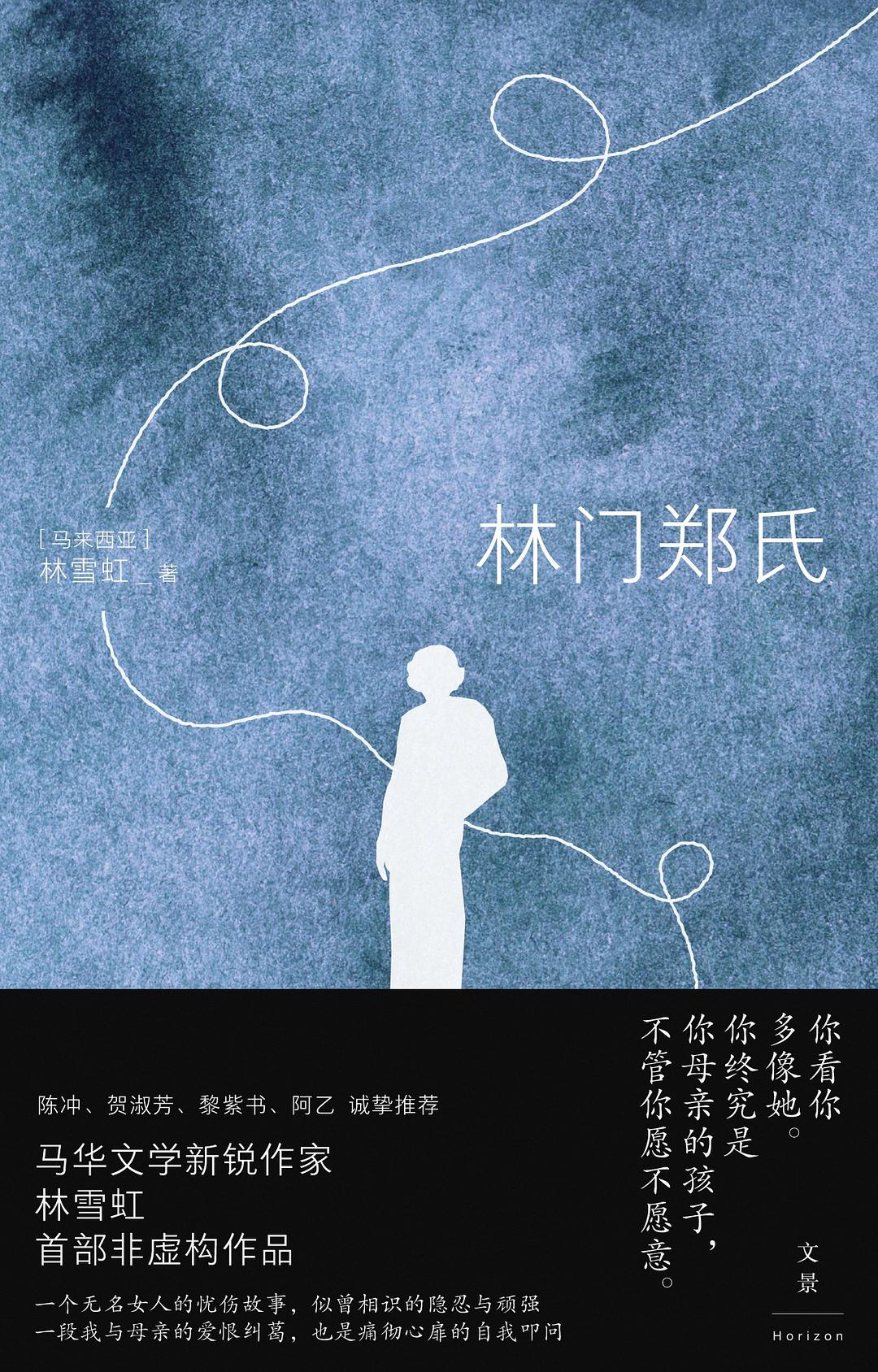
A Mother with No Name
林门郑氏
Hailing from Malaysia, Lim Suat Hong had built a modest yet content life with her husband in China when she learned of her mother’s diagnosis with gallbladder cancer. In the blur of the months that followed, she returned to Balakong, the hometown she had been desperate to escape, and witnessed her mother’s rapid deterioration in health and spirit. Five years after her mother’s death, she began to write. This memoir grieves her mother: the seamstress who brought up five children through scrimp and scrape, the wife who lived in fear of her selfish, sometimes violent, husband, and the flawed woman who left many traces in her writer daughter. Cutting back and forth between the mother’s battle against cancer and the daughter’s self-searching sojourn, this elegiac memoir is a visceral account of a complicated mother-daughter relationship that even death can’t sever.
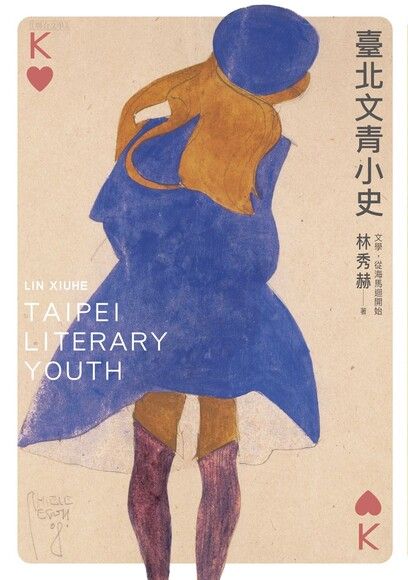
Taipei Literary Youth
台北文青小史
A memoirist with writer’s block turns to a state-of-the-art psychoanalytical treatment to retrieve buried memories. A disillusioned young writer takes revenge on her literary idol at the cost of her own career. A mediocre poet wields power over his literary peers through founding a writing program. Such are three of the many characters that populate the pages of this inventive and entertaining novel. The 48-year-old Taiwanese novelist Lin Xiuhe pulls no punches in his portrayal of the problems plaguing the Taiwanese literary ecosystem: awards that reward trend followers; writers who exploit their younger counterparts to perpetuate their status; institutions that dangle teaching positions to cement their authority. Lin not only evokes the names of his peers in this novel, but also appears as a key character himself, playing a catalytic role in inciting events whose accumulated effect holds the promise to trouble the establishment and let in a breeze of fresh air.
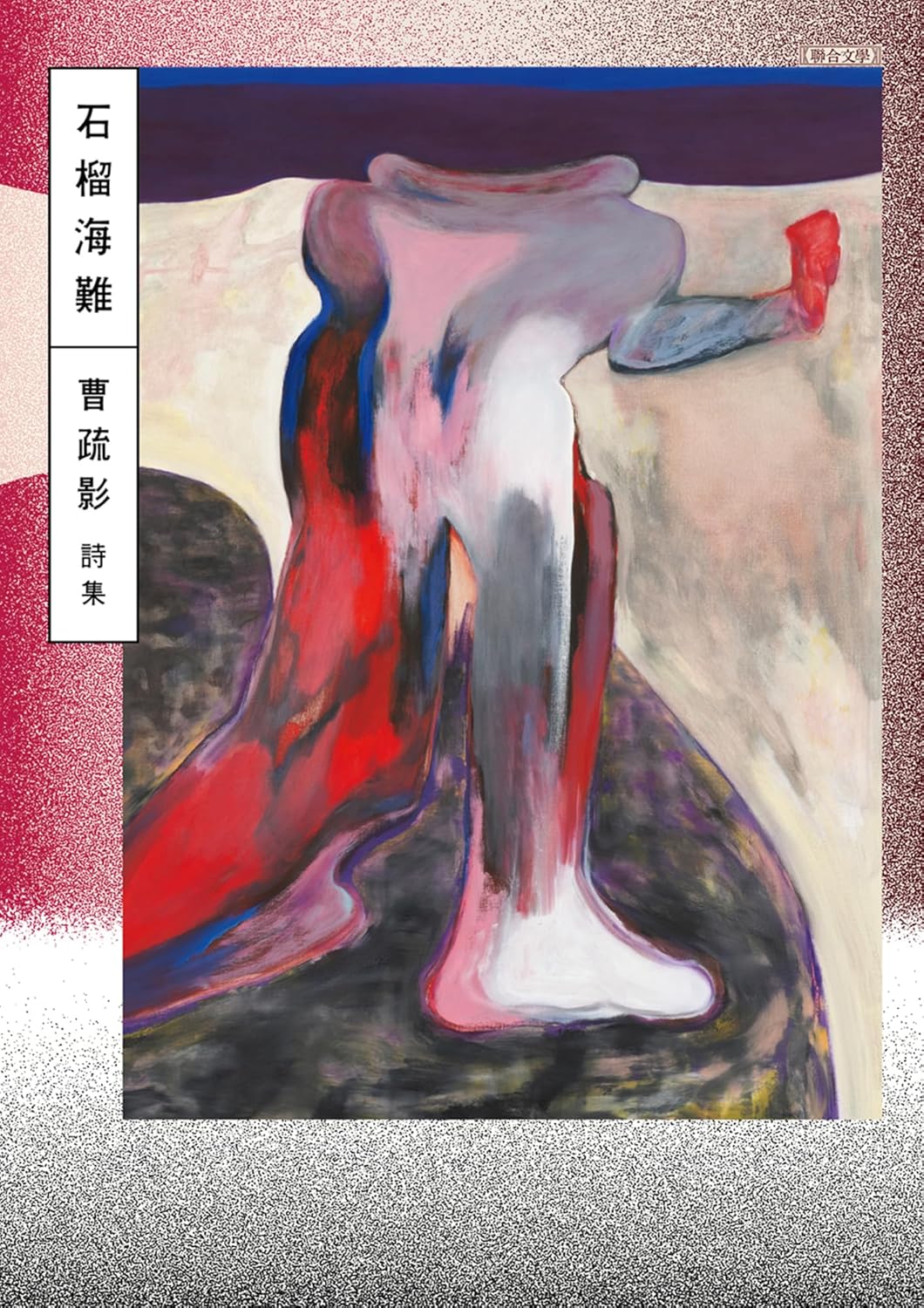
Pomegranate Seawreck
石榴海难
In her latest poetry collection, Pomegranate Seawreck, Cao Shuying tackles a timely question for a growing Chinese diaspora: How to stay in a foreign land and continue to write? Born in Harbin, China, in adulthood Cao moved first to Beijing and then to Hong Kong, before settling down in Taiwan with her husband, Hong Kong writer Liu Waitong. The result of those roaming years is over a hundred poems written between 2021 and 2024: a series of crystalized thoughts on the global pandemic, the political movement she’d witnessed in Hong Kong and the exquisite pains of living in the liminal space between cultures and identities. Juxtaposing childhood memories, urban landscapes, viruses and virtual spheres, Cao has minted a feverish yet lucid language to decode the complex realities that transcend borders.
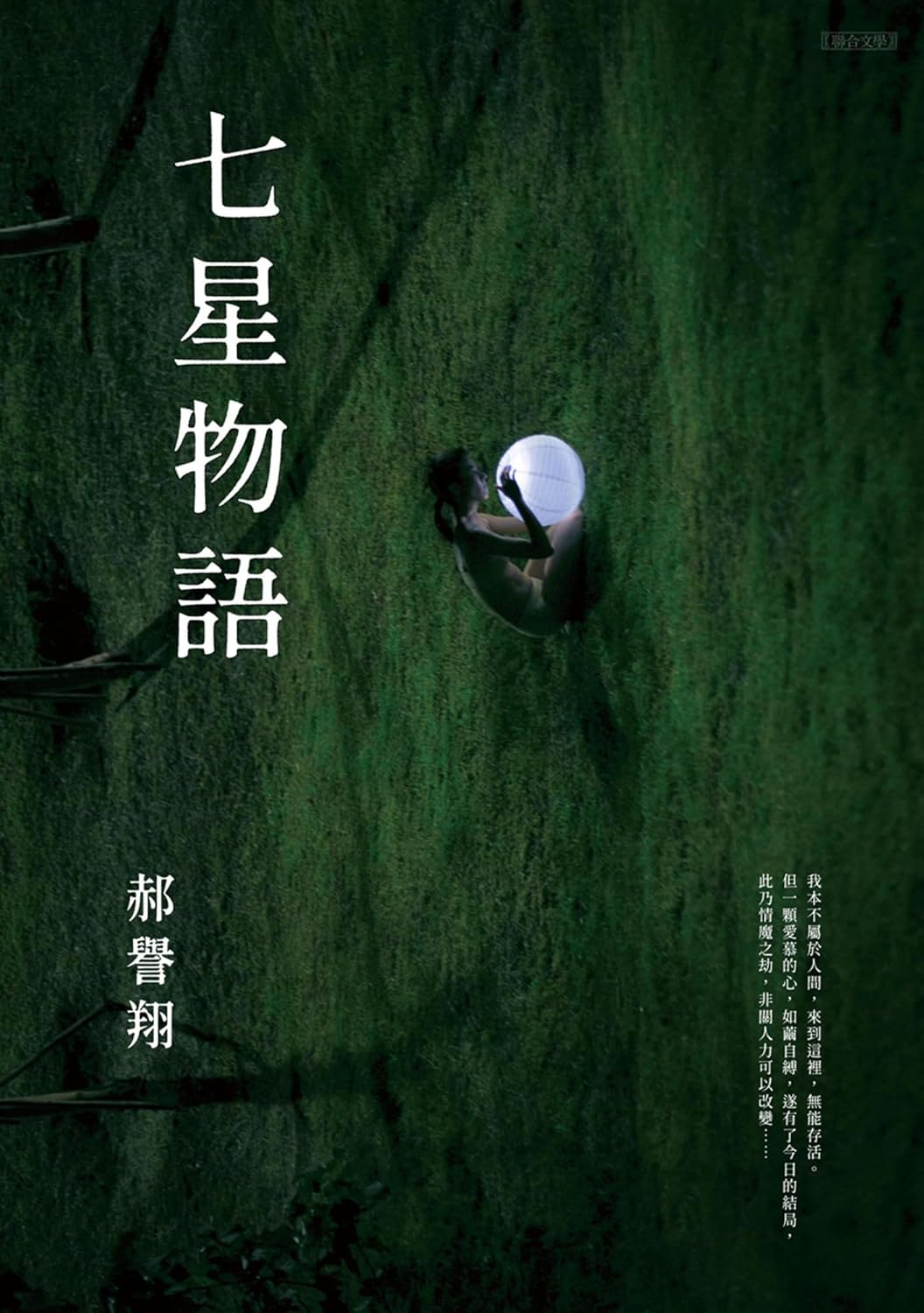
Qixing Stories
七星物语
Known for its wealth of hot springs, Beitou is a mountainous town in northern Taiwan and the fictional stage for the fantastical tales in Taiwanese novelist Hao Yu-Siang’s latest collection, Qixing Stories. A widowed wife returns to Beitou to revisit the tender past she shared with her late husband, with whom she became estranged before his fatal car accident. Going through a midlife crisis, a dentist picks up motor biking as a hobby and spends a surreal night with his long-dead childhood friend in the mountains. A novelist, following the rapid rise and fall of his career, lets his ambition lead him to be trapped in a tiny bottle. Paying homage to masters of the genre such as Pu Songling and Tanizaki Junichiro, Hao’s book bends these classical influences to interrogate Beitou’s traumatic colonial past and the dark corners of the human psyche. An engrossing read for those looking for a touch of the supernatural in their winter reads. ∎
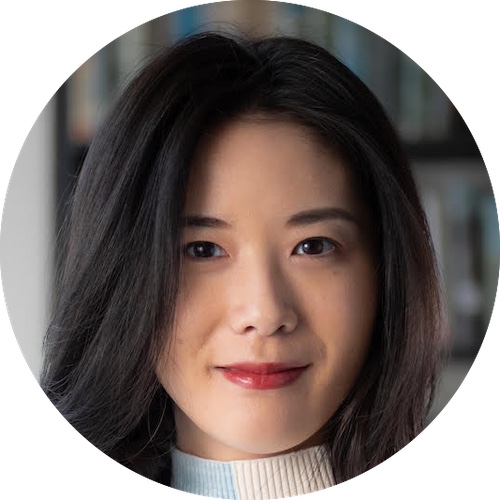
Hailing from Chengdu, Na Zhong is a New York-based fiction writer and literary translator. Her work has appeared in Guernica, A Public Space, Lit Hub and others. She co-founded the bilingual creative community, Accent Society, and co-hosts the Mandarin literary podcast 跳岛FM. Na is a 2021-2022 Center for Fiction Emerging Writers Fellow, and a 2023 MacDowell Fellow.