Sign up for our newsletter to be notified of new posts!
The lot of the committed China reader — whether you find it fortunate or distressing — is a pile of books on the bedside table that never decreases. There are still so many titles from last year, not least our best books of 2025 list, to catch up on. You may have started this year with a resolution to clear the reading list, yet the book-reader’s equivalent of inbox zero will never come. Perhaps the better solution is, like Camus’ Sisyphus, to embrace the absurdity of the task and enjoy what progress we make to the top of the hill, or bottom of the stack.
In that spirit, to test your new year’s reading resolution, we’re recommending five recent titles that are worthy to add to your list. From a reported account of Chinese scammers in Southeast Asia and a narrative of Catholic resurgence in the 1980s, to an academic study of revolutionary emotion after Mao, these are reads to rouse feelings and stimulate thought. So before you get swept up in the news cycle this year, remember there is always refuge to be found between two covers.
— Alec Ash
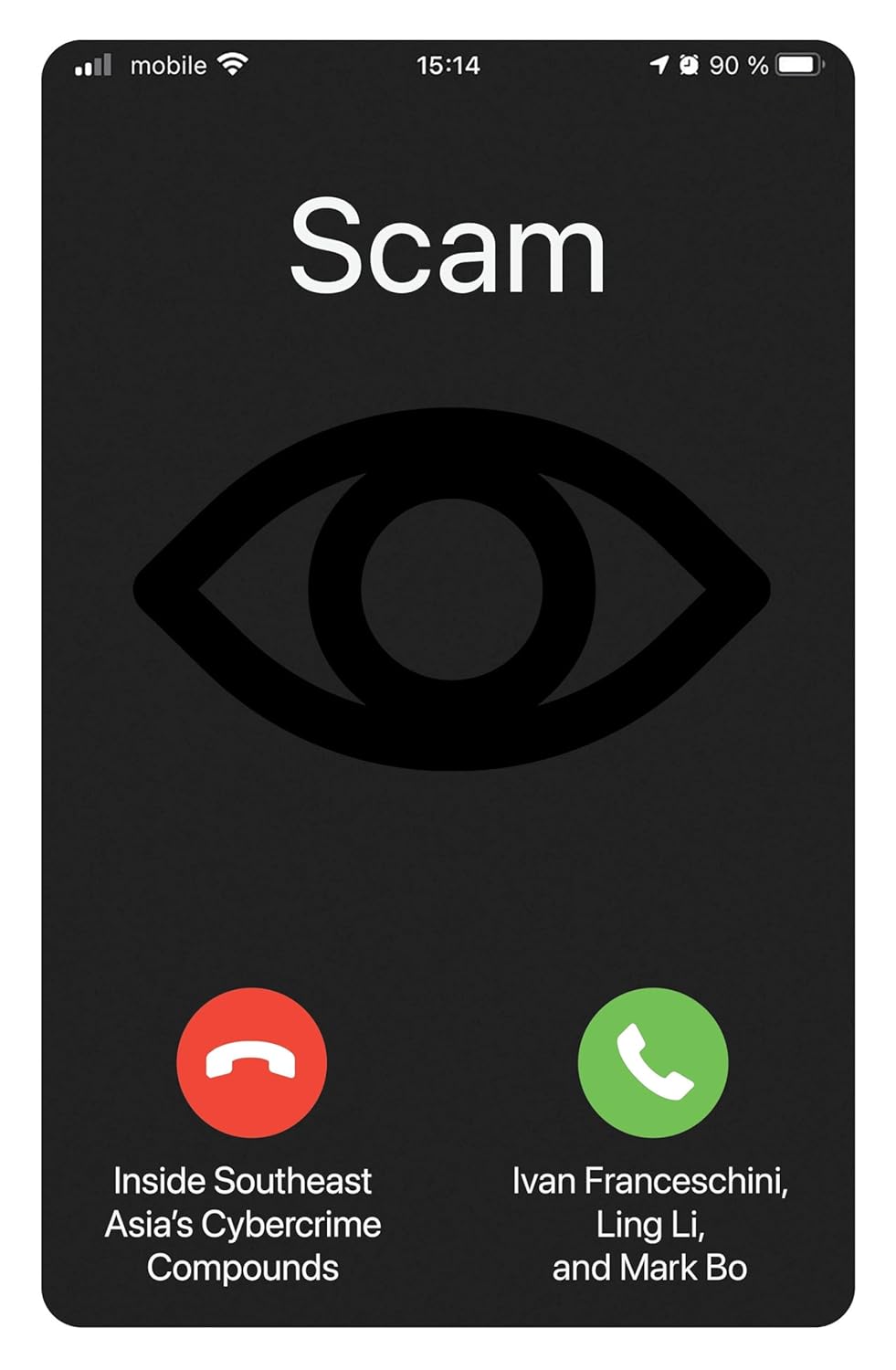
Scam
Inside Southeast Asia’s Cybercrime Compounds
A hundred-billion dollar industry pulses in the jungle boom towns of Southeast Asia’s Golden Triangle: cybercrime. Scam tells the story of how Chinese gangs, in collusion with local elites and residents, commit transnational digital theft. “Pig butchering,” a sophisticated scam that preys on online connections, is their ruse of choice alongside rigged online gambling. Yet the scammers themselves are victims who were tricked, trafficked or enticed by dreams of easy money into moving to remote locales in Laos and Myanmar. Held in guarded compounds, some are beaten, even raped, until they agree to defraud others or ransom their own freedom. Refusal, in some instances, is met with murder. Franceschini, Li and Bo tell the story of these unfortunate souls — a Taiwanese woman, an Ugandan IT specialist, a sheltered Chinese restaurant worker — with warmth and honesty, while criticizing this new model of exploitation as a dangerous innovation of capitalism.
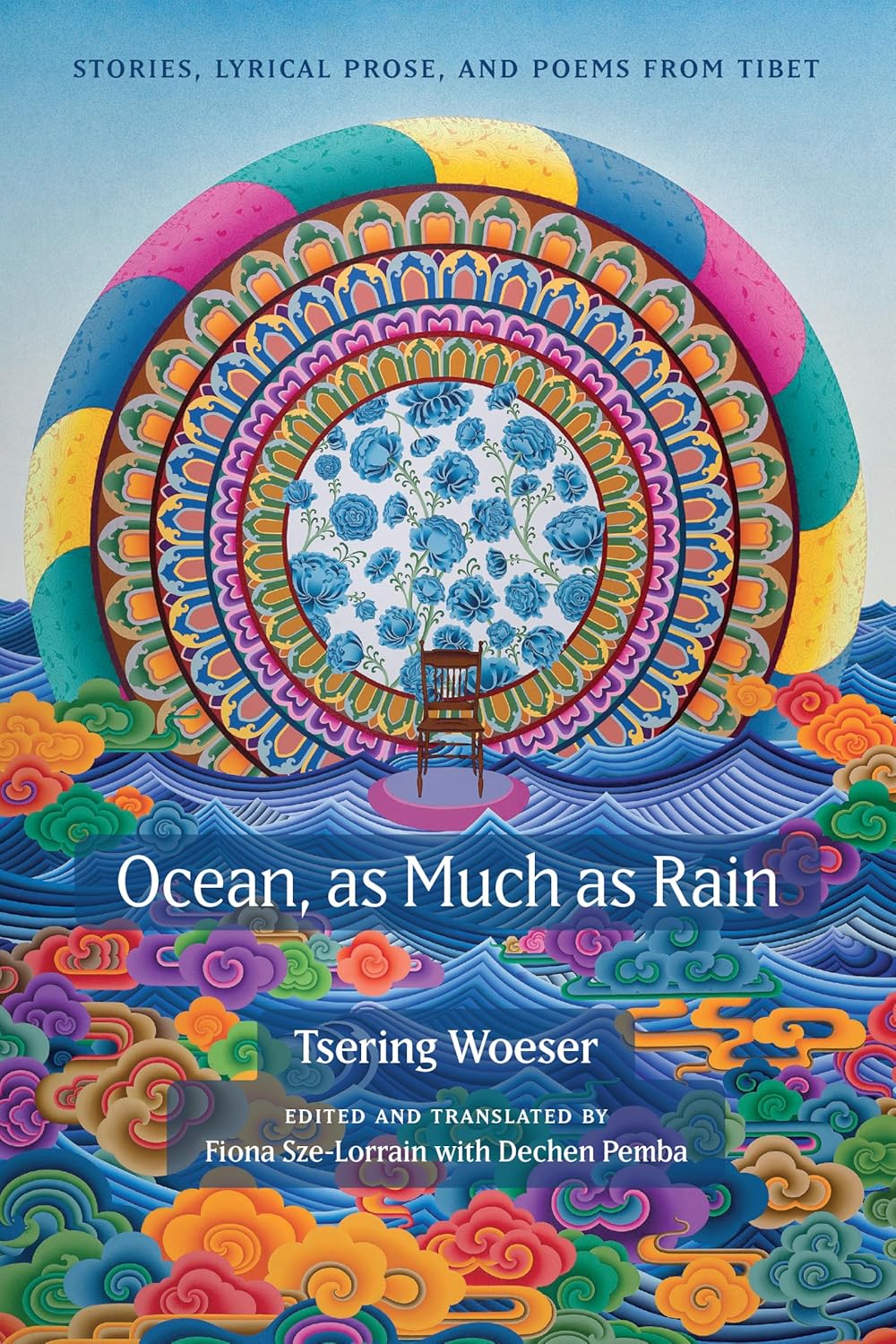
Ocean, as Much as Rain
Stories, Lyrical Prose, and Poems from Tibet
Tsering Woeser, a Tibetan author and activist, has been one of the most essential voices on Tibet writing within China for decades. That comes at a price — she is unable to leave the country, where her books are banned. Which makes the work of translating her all the more valuable, as it is in this upcoming collection of her essays and poems, skilfully curated and translated by Fiona Sze-Lorrain with Dechen Pemba. The range is wide, from a personal essay about her relationship to Tibetan language to stories about a sky burial master, a Gar musician and a grassroots environmentalist — all punctuated by wistful, defiant poems and black-and-white photographs. Pankaj Mishra writes in his foreword, “Woeser ennobles the free life of the mind like few writers today.” But she puts it best herself in one of her poems: “You have guns, I have a pen.”
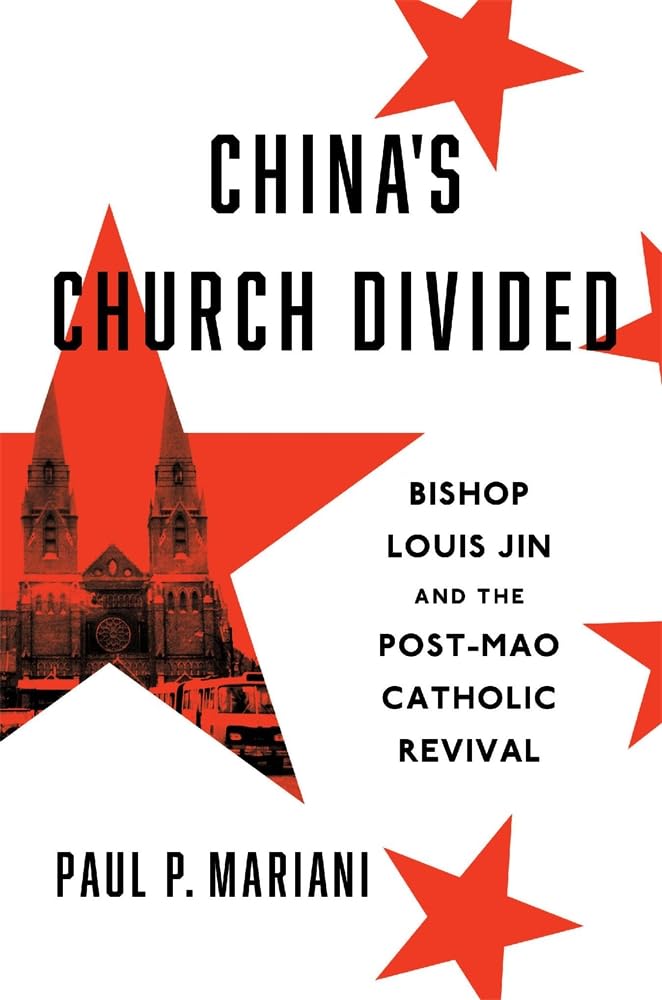
China’s Church Divided
Bishop Louis Jin and the Post-Mao Catholic Revival
In 1980, the underground Catholic church in China led a 10,000-person pilgrimage to Sheshan (佘山), a forested hill near Shanghai, inspired by a belief in the return of Mary — as prophesied during an exorcism in a nearby fishing village the year prior. Four years after Mao’s death, faith had slipped through the open door of Deng Xiaoping’s reforms. Historian Paul P. Mariani, himself a Jesuit priest, details this resurgence of the Catholic Church in China from 1978-1991 with intimately-informed portraits of the cardinals in Rome, the apparatchiks of the Chinese Catholic Patriotic Association, and the underground believers who denied the Chinese state’s religious authority. At the center of the story is the wickedly complex Aloysius Jin Luxian: a Jesuit priest, once a political prisoner under Mao, who became a globe-trotting bishop of Shanghai’s patriotic church. The book offers a history of (but not a solution to) the long-standing question: can Pope and Party co-exist in China?
Sentimental Republic
Chinese Intellectuals and the Maoist Past
Academic books can be difficult to parse (we’re still not sure what the noun “affect” means as opposed to “emotion”), but the volume of scholarly publishing in the China field is home to a wealth of insight and perspective that is ill-ignored. In this admirable work by Hang Tu, of the National University of Singapore, the core thesis is that after the death of Mao Zedong in 1976, emotional fervor continued to define China’s next four decades of reform — whether through denunciations of revolutionary violence or nostalgia for socialist egalitarianism. Chronicling the culture wars over the Maoist past during China’s post-socialist transition, Tu focuses on four schools of Chinese thought from 1978-2018: liberals, leftists, conservatives and nationalists. Drawing on intellectual history (a revival of interest in the historian Chen Yinke, persecuted during the Cultural Revolution) and popular literature (the 1996 bestseller China Can Say No), he argues that anger, guilt and melancholy shaped the trajectory of the reform era intelligentsia.
China’s Backstory
The History Beijing Doesn’t Want You to Read
“China is the most important country that Americans know nothing about,” declares the debut book by China scholar Lee Moore (who also co-hosts the excellent Chinese Literature Podcast). He begins with the example of Hawk, a South Carolinian who is fascinated by the Roman empire but thinks nothing interesting happened in Asia. The book serves as a corrective not just to that, but to China’s sanitized version of its own history, focusing on four big stories: Taiwan, Xinjiang, Hong Kong and the Chinese economy. Written in a deliberately colloquial style to cut through the formality of academia (one chapter, about Koxinga’s son Zheng Jing, is titled “The Most Important Motherfucker in Taiwanese History”), it is a spunky primer on the backstory of the hot-button issues of today. Much of this is not new territory. But its entertaining presentation grounded in lively details — a sadistic Ming emperor; Song dynasty fart jokes — make the book a good recommendation for the China curious. ∎