Sign up for our newsletter to be notified of new posts!

Literature thrives on the margins, and this Spring Festival edition of the “What China’s Reading” column is packed with vibrant voices from that rich vein. These five titles will transport you across a changing landscape, from Tibetan towns straddling the divide between old and new, to Southwestern villages shaken by the roar of modernization. Several of them explore the linguistic variety found on the periphery: the pockets that exist between languages, carved out by the shifting climates of history and politics. Read on for a Tibetan director’s posthumous short stories; bildungsroman essays from a Yi woman who made it into China’s mainstream; a Taiwanese author’s novel self-translated from Japanese; a debut novella that took the mainland by storm; and a short story collection about lovable slackers. As we enter the Year of the Horse, we hope these unbridled voices bring you fresh perspectives.
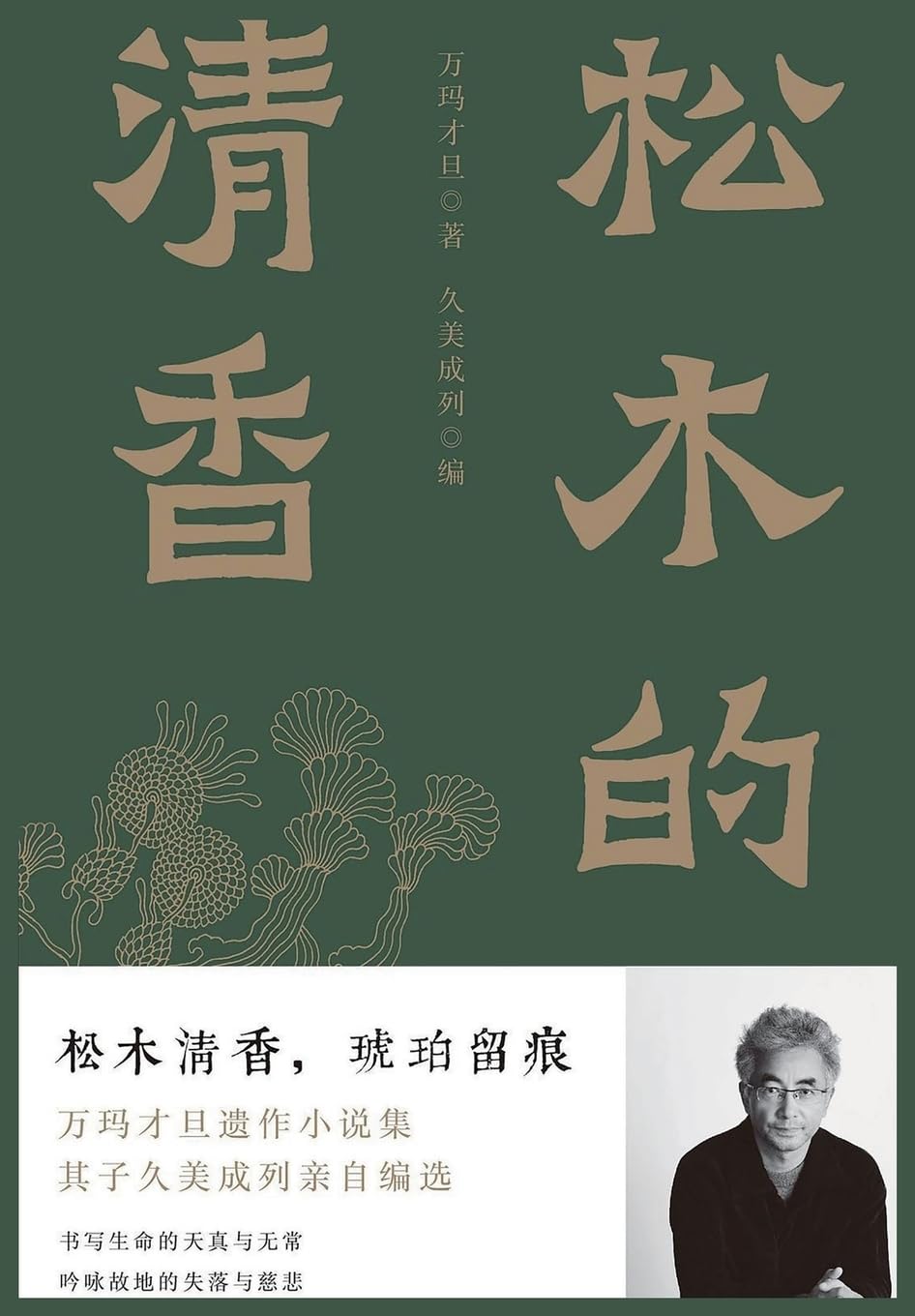
The Scent of Pine Wood
松木的清香
Before he passed away in 2023, the Tibetan director Pema Tseden made eight feature films, including the award-winning Tharlo (2015) and Jinpa (2018). A superb storyteller, his filmic talent translates to the page in this posthumously published short story collection. Tseden’s prose is deadpan and cinematic, seamlessly combining Western narrative structure with the oral tradition unique to Tibetan culture. In the titular story, a minor government official investigates a traffic accident that killed a former classmate, piecing together his old friend’s life trajectory and final moments through the retellings of spectators, the truck driver who hit him and various acquaintances. In another story, a film director and his crew embark on a road trip to cast two characters for an adaptation of a tale from Tibetan folklore; the journey becomes an accidental chronicle of life across the region and the whimsical figures they come across. This is a rewarding read for cinephiles and anyone interested in the dialogue between different mediums of art-making and storytelling.
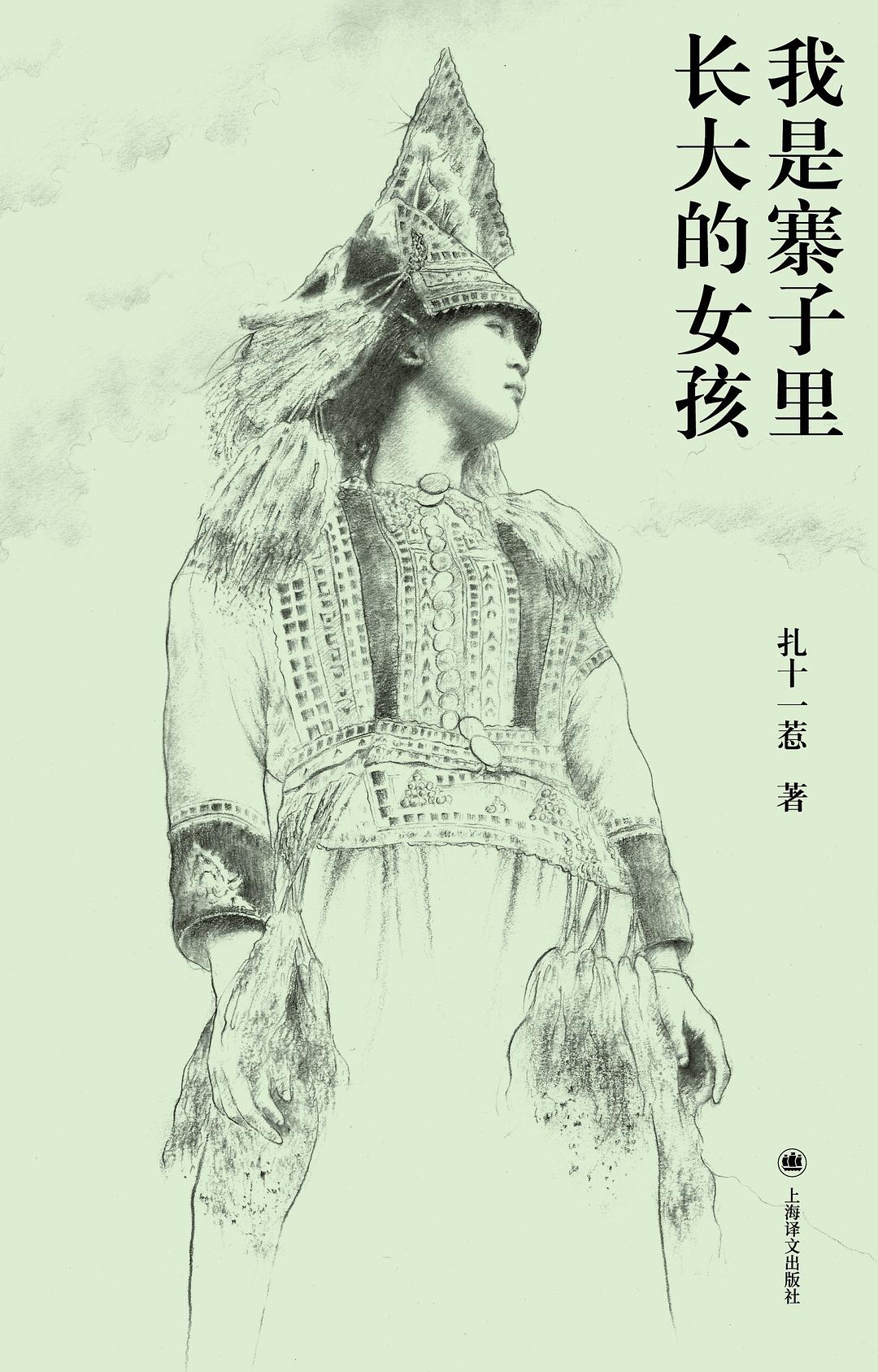
I Grew Up in a Zhaizi
我是寨子里长大的女孩
Zhaizi (寨子), stockaded valley villages inhabited by ethnic minorities, are widespread in the mountainous pockets of China’s south and west, where life is nearly unimaginably rustic. In most, residents live off the sale of wild mushrooms, tobacco and other produce to affluent consumers in the rest of the country. I Grew Up in a Zhaizi, the debut essay collection of Zha Shiyire, tells the story of growing up in a Yi community in Yunnan province. Zha recognizes both the beauty and peril of a life minimally shaped by modernization. With admirable candidness, she writes about the joy and strength she drew from nature, as well as the dangers and illnesses she endured, from food poisoning to domestic violence. After middle school, she moved from her village to neighboring towns for study, then worked as a journalist in a small city. After the pandemic, she quit her job, ended her marriage and returned home, where she started writing. Visceral and thought-provoking, one of the most powerful essays wrestles with the chasm that education and experience have opened between herself and her family, as well as the conflicts between her unique upbringing and the mainstream way of life.
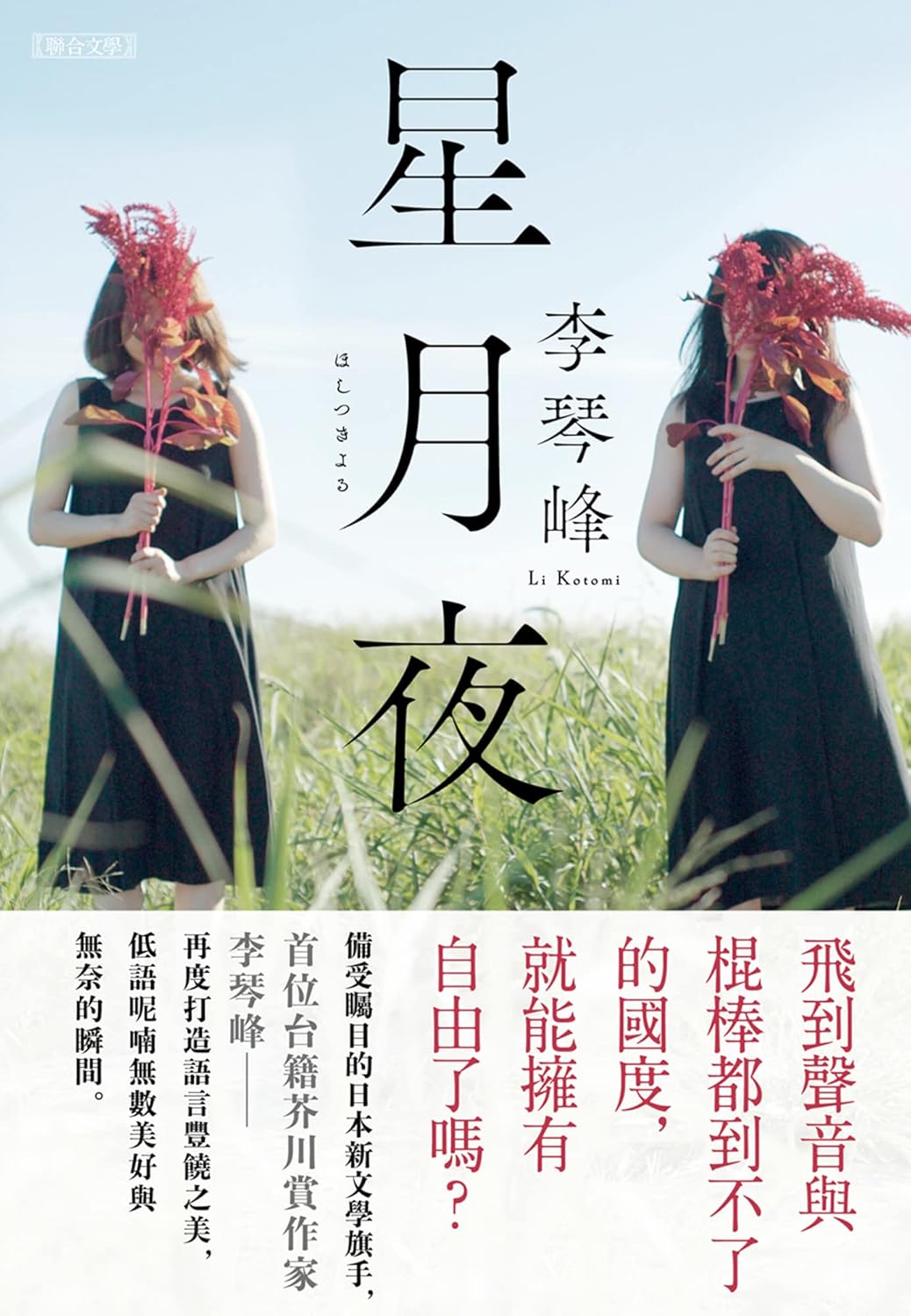
Hoshizukiyo
星月夜
In Japanese, the word hoshizukiyo (星月夜, literally “star, moon, night”) refers to a night when the stars shine as bright as the moon. But for the protagonists of Taiwanese writer Li Kotomi’s novel, the phrase also describes a night when both the stars and the moon are visible, sharing the same time and space. Liou Ningyue is a Taiwanese woman teaching Japanese as a second language to foreign students at a private university in Tokyo. Her student and lover Yultuz is a Uyghur migrant from Xinjiang, China, struggling to find her footing in Japan. Coming from different cultures and upbringings, each grapples with her newly gained freedom, their pasts overshadowing their shared future. The first Taiwanese novelist to receive the prestigious Akutagawa Prize for outstanding Japanese fiction, Li Kotomi wrote the novel in Japanese and later translated it into Chinese herself. This quiet, powerful story and her elegant translation combine to offer a masterful exploration of the beauty and sorrow found in the liminal space between languages.
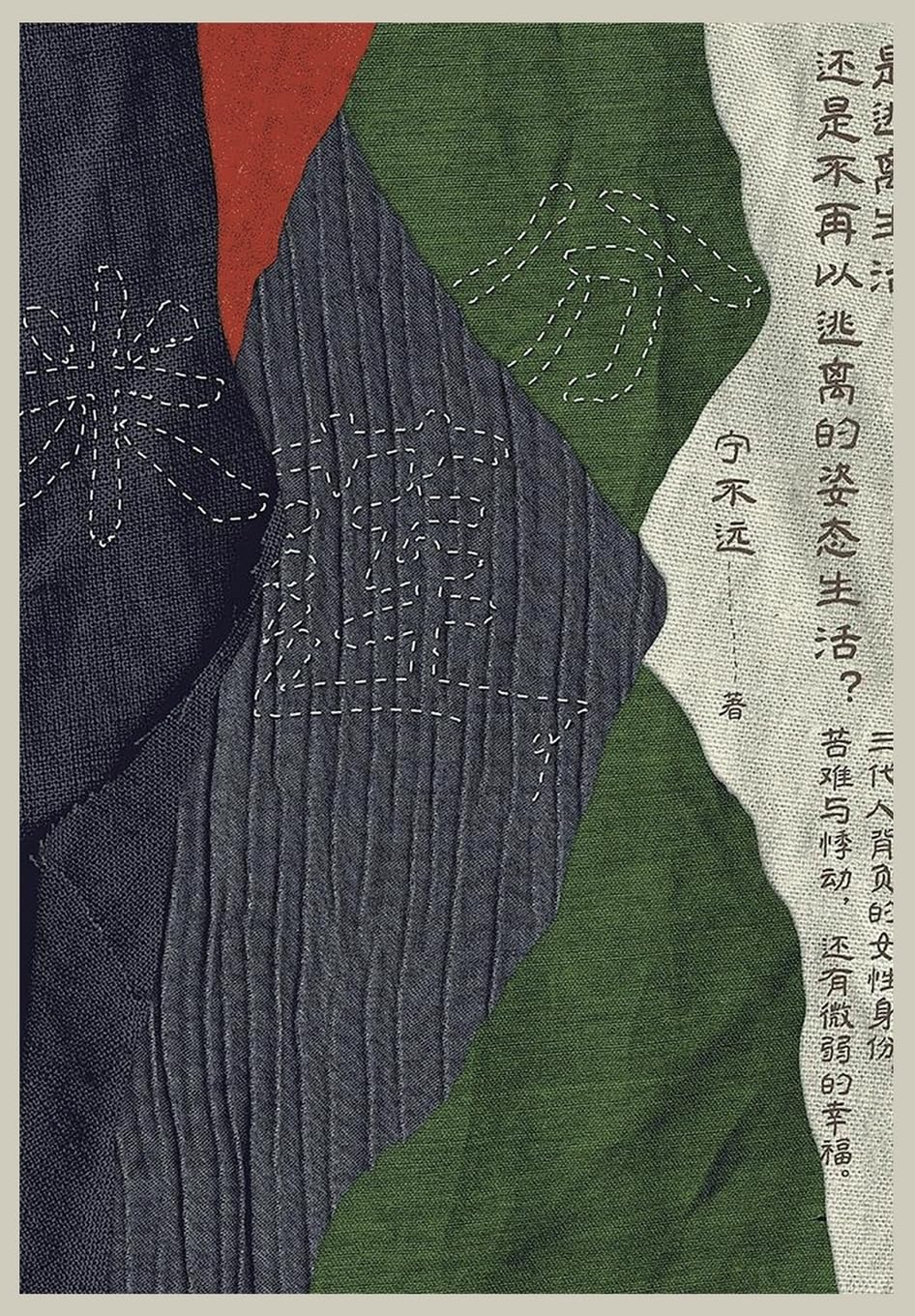
Mi Lianfen
米莲分
In the 1980s, 10 years after fleeing her home in the wake of a family tragedy, Mi Lianfen returns to Black Mountain Village in Sichuan province — 28 years old, pregnant and carrying with her a sewing machine and a flush toilet. So opens this critically acclaimed novella by Ning Buyuan, a former news anchor, writer and founder of a successful women’s clothing brand. Mi opens a tailor shop near the village school, gives birth to her daughter, Duoduo, and rebuilds her late parents’ fire-ravaged house. To the villagers, Mi remains a riddle. Her past is shrouded in mystery: Who is Duoduo’s father? Where did Mi master the art of tailoring? And why does she keep leaving the village, only to return to it again and again? Told through the guileless voice of Mi’s eight-year-old daughter, Ning’s fiction debut centers on a woman’s struggle against the world and the fate into which she was born.
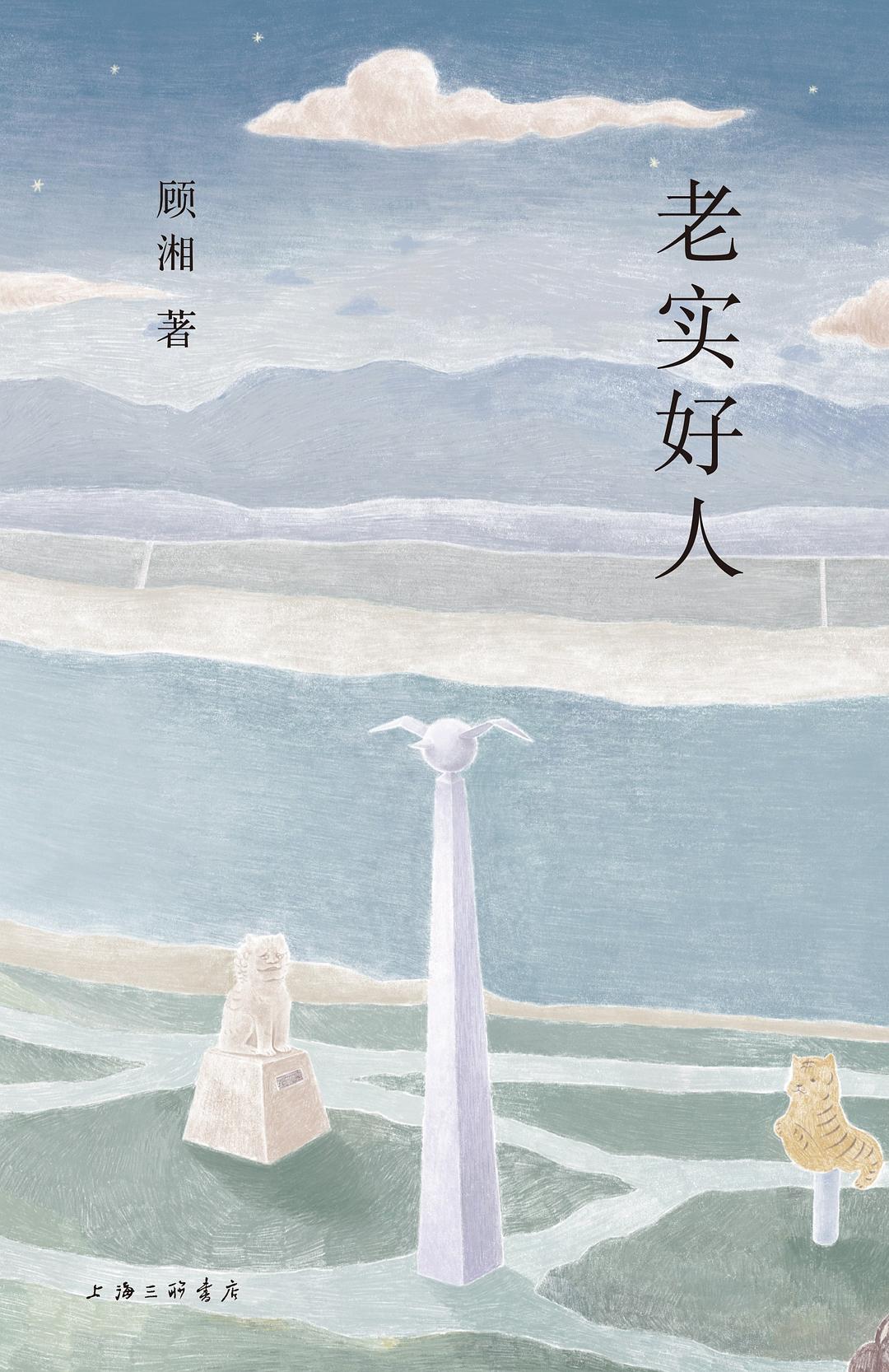
Nice People
老实好人
“I’m not folk music; I’m rock ’n’ roll,” muses the narrator of “Music Festival,” a short story from Gu Xiang’s collection Nice People. A page later, she changes her mind: “Actually, I’m not rock ’n’ roll either. I’m just not the kind of folk music he thinks I am.” This back-and-forth moment captures the signature style of this unique Shanghainese writer: funny, witty, ageless and absolutely mesmerizing. Reading Gu’s work is like whiling away a few hours with an old friend, whether attending a music festival, taking a walk in a local park, or hopping on a local bus — the very things her characters do every day. They are, as the title suggests, “nice people” (老实好人). Once used to praise a person’s kindness, the phrase is now a diss used to dismiss someone’s lack of edge or drive. As Chinese society became embroiled in fierce competition and materialism, these “nice people” have become a rare species in real life and literature alike. Drawing from the literary tradition of Russia, where Gu studied in the early aughts, she defends her gentle but sometimes clueless characters, restoring them to the dignity they deserve. ∎

Hailing from Chengdu, Na Zhong is a New York-based fiction writer and literary translator. Her work has appeared in Guernica, A Public Space, Lit Hub and others. She co-founded the bilingual creative community, Accent Society, and co-hosts the Mandarin literary podcast 跳岛FM. Na is a 2021-2022 Center for Fiction Emerging Writers Fellow, and a 2023 MacDowell Fellow.