Sign up for our newsletter to be notified of new posts!
At China Books Review, we’re delighted to announce the return of the Baifang Schell Book Prize in its second year. Launched in 2024, the prize celebrates exceptional book-length works on or from China and the Sinophone world that are geared toward the general reader. Two independent juries award the prize in two categories, each accompanied by a $10,000 purse: one for nonfiction books, and the other for literature. (See last year’s winners if you missed them, and watch the awards ceremony at Asia Society in New York.)
Today we’re presenting the shortlist of five books for our literature prize, the 2025 Award for Outstanding Literature from or on China or the Sinophone World. The shortlist was selected by an independent jury of writers, translators and experts on Chinese literature: Eric Abrahamsen, Jiayang Fan, R.F. Kuang and Megan Walsh. Over the past months, they have considered over 30 nominated titles published in 2025, to come up with the five still in the running below — from previously untranslated stories by Eileen Chang to a new collection by Shuang Xuetao; the avant-garde fiction of Can Xue to two biting novels by Fang Fang.
The shortlisted books below are listed in no particular order, and each synopsis was written by a different judge (but do not indicate any favorites). The winner, and honorable mention(s), will be announced next month, with an awards ceremony to follow in the early summer. Follow us to stay posted!
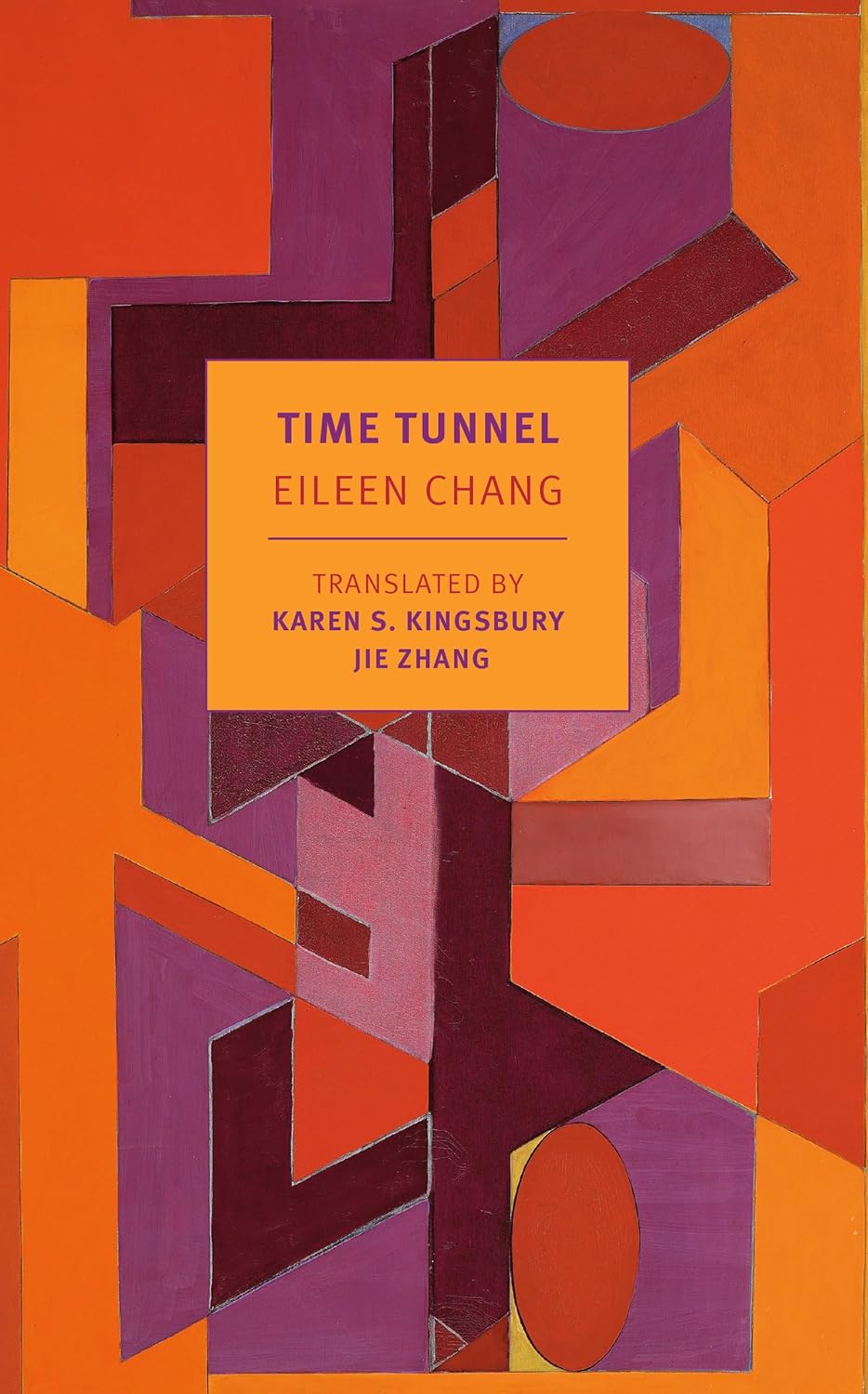
Time Tunnel
Stories and Essays
Thirty years after her death, Time Tunnel, a collection of previously untranslated stories, reaffirms Eileen Chang’s place as one of the 20th century’s finest writers. Spanning the entirety of her career, from 1940s Japanese-occupied Shanghai to Hong Kong under British colonial rule, then her final decades in America, these stories showcase Chang’s enduring ability to illuminate the inner lives of people dislocated by vast historic and cultural shifts. The intricacies of lifelong friendships, the clipped hopes of lovers and the subtle contortions of gender politics unravel with the same virtuosic skill and nuance that catapulted her to fame with novellas such as Lust, Caution and Love in a Fallen City. We owe a debt of thanks to Karen S. Kingsbury and Jie Zhang, not only for translating these remarkable stories into English, but for proving that with Eileen Chang, there are no marginal texts, only hidden gems.
— Megan Walsh
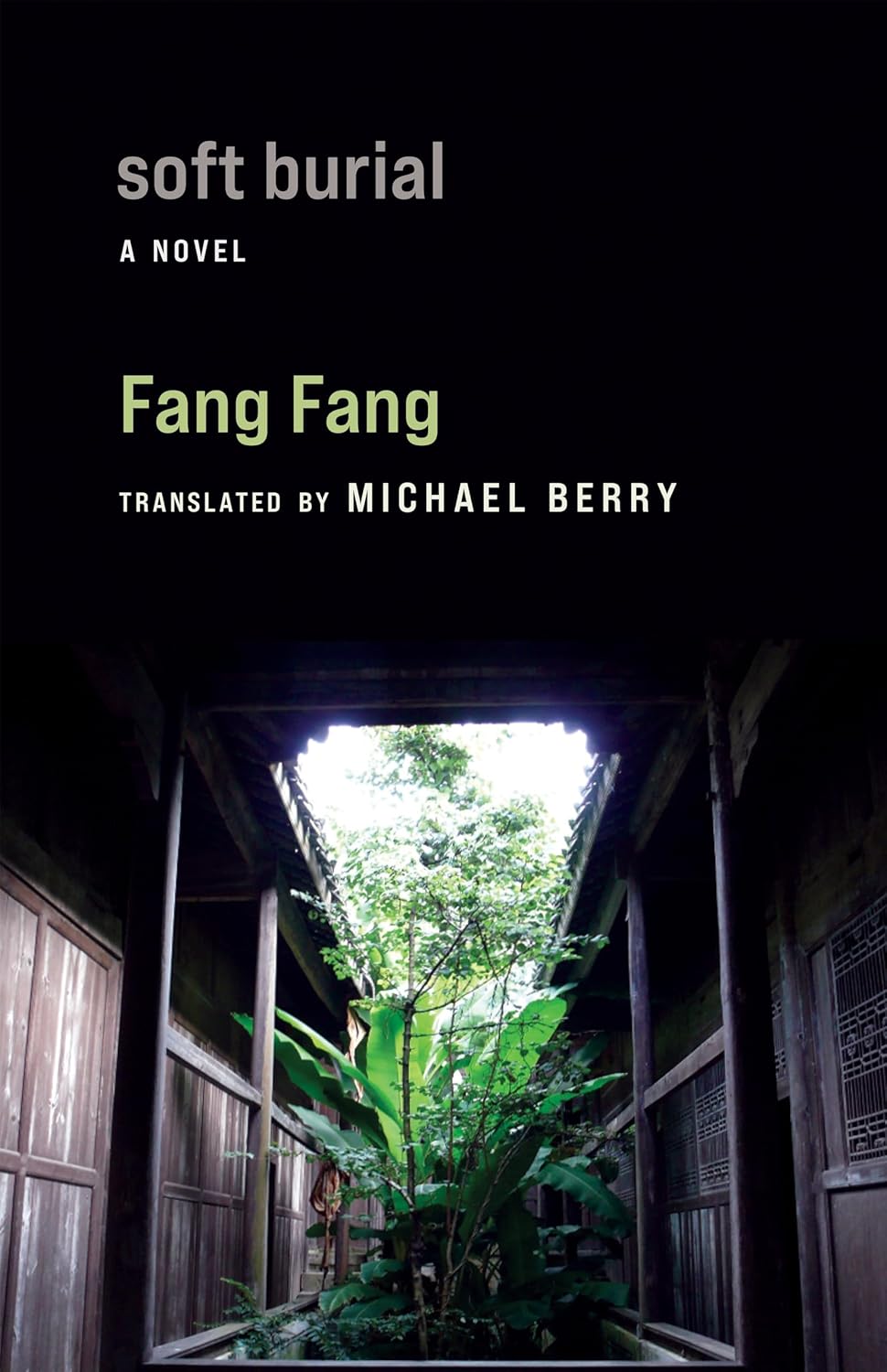
Soft Burial
A Novel
The novel Soft Burial by Fang Fang, translated by Michael Berry, begins with a woman who remembers nothing. Ding Zitao wakes up in a hospital with no name and no identity. For decades that identity remains buried, along with the story of what happened up until the moment she lost her memory. Is what she forgets — the murderous land reform campaign of the early 1950s, which upended individuals, families and the very fabric of Chinese society — what permits her to move forward in time? Fang Fang, a Chinese writer best-known in the West for her diaries of the Wuhan Covid epidemic, is unflinching in her fiction but never sensational. She writes about violence and loss with a quietness that makes both hit harder. Soft Burial is about what we do to survive the unbearable — and what it costs us to remain living.
— Jiayang Fan
Mother River
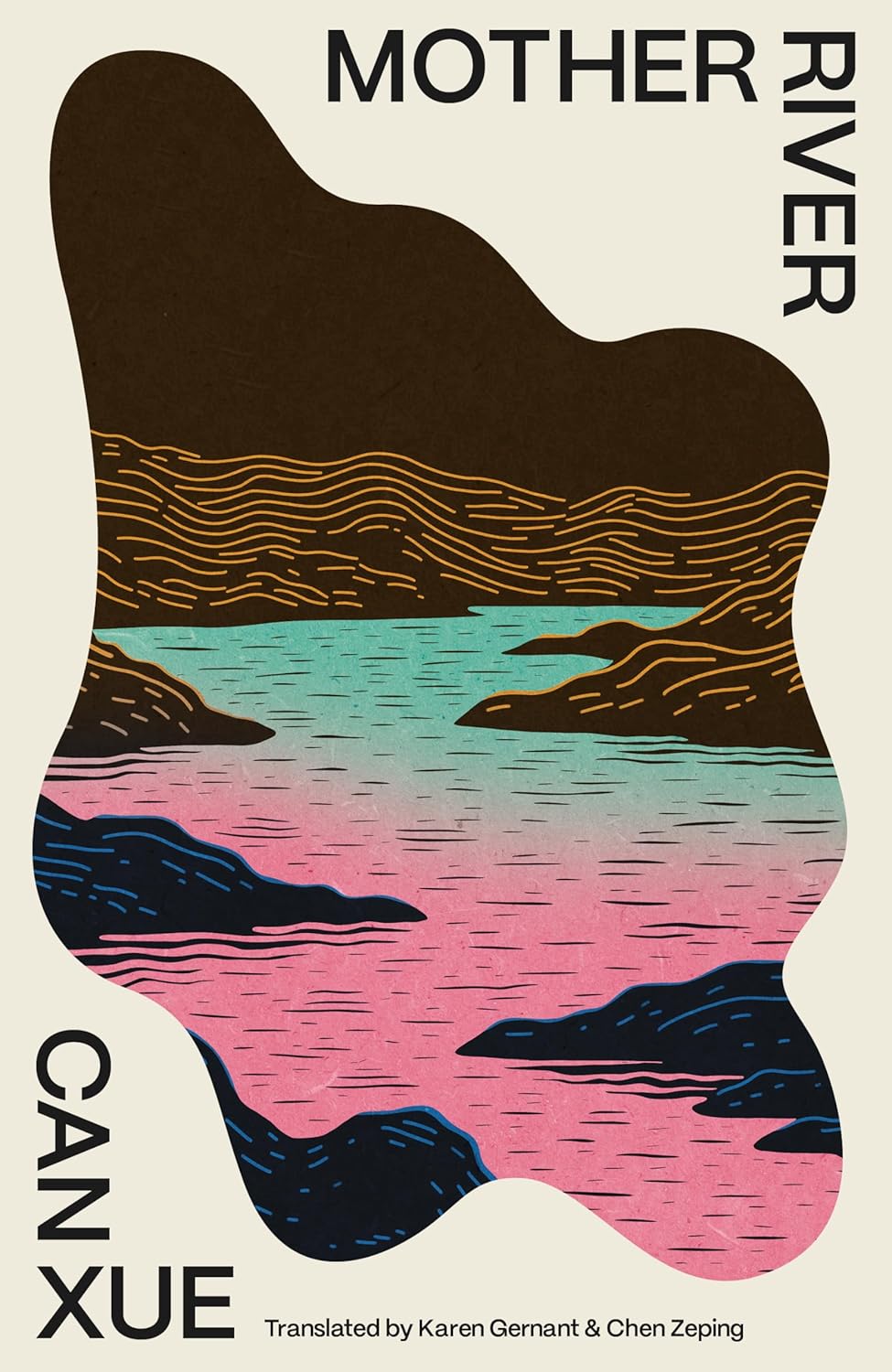
The Chinese avant-garde fiction writer Can Xue has always been an n of 1. Her stories in Mother River, a new collection translated by Karen Gernant and Chen Zeping, are frustrating and destabilizing. They defy easy allegorical explanation, they resist closure, and they read like moving through someone else’s dream. Despite all that, they are inexplicably moving. Something shifts beneath the surface. Their narrative stakes are like quicksand, and characters are often undisturbed or passively accepting of bizarre events. Yet these stories forego the grotesquerie, paranoia and despair of Can Xue’s hallmark works in favor of quiet — and startlingly hopeful — transformations. Here she has found a sense of coherence that eluded her previous subjects. The world is chaotic; the soul remains calm. As the protagonist of the title story reflects, “I had never understood, but now — all of a sudden — I did.”
— R.F. Kuang
Hunter
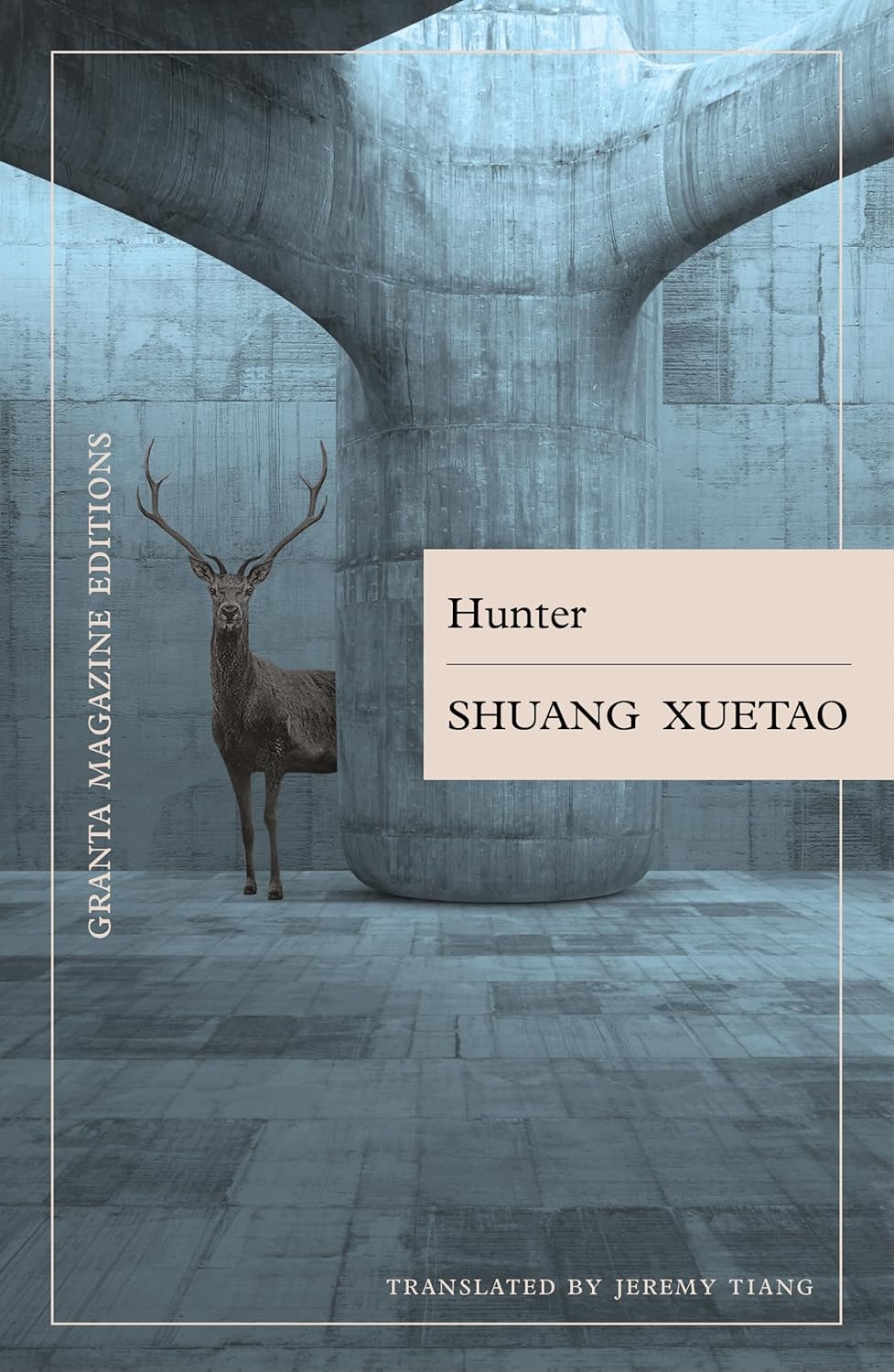
Following his previous collection Rouge Street, which evoked a particular time and place in the city of Shenyang, Shuang Xuetao has expanded his scope in this tautly-structured collection. Each story in Hunter is a tiny lens, gathering light from China’s past and present, bending the lives of his characters into eerie shapes. He steps deftly between history, surrealism and the quotidian lives of contemporary Chinese society, from claustrophobic portraits of emotional isolation to deep reckonings of past pain. Adeptly translated by Jeremy Tiang, Shuang’s voice sounds most sure when his stories are at their strangest — martial artists with deadly powers, a nightmare midnight ride with a dying father, an otherworldly visitor in search of a lost sentence — and the events of the past century lay like bedrock beneath his most fantastic flights of fancy. Bizarre as it may be in places, Hunter will ring very true to anyone familiar with contemporary China.
— Eric Abrahamsen
The Running Flame
A Novel
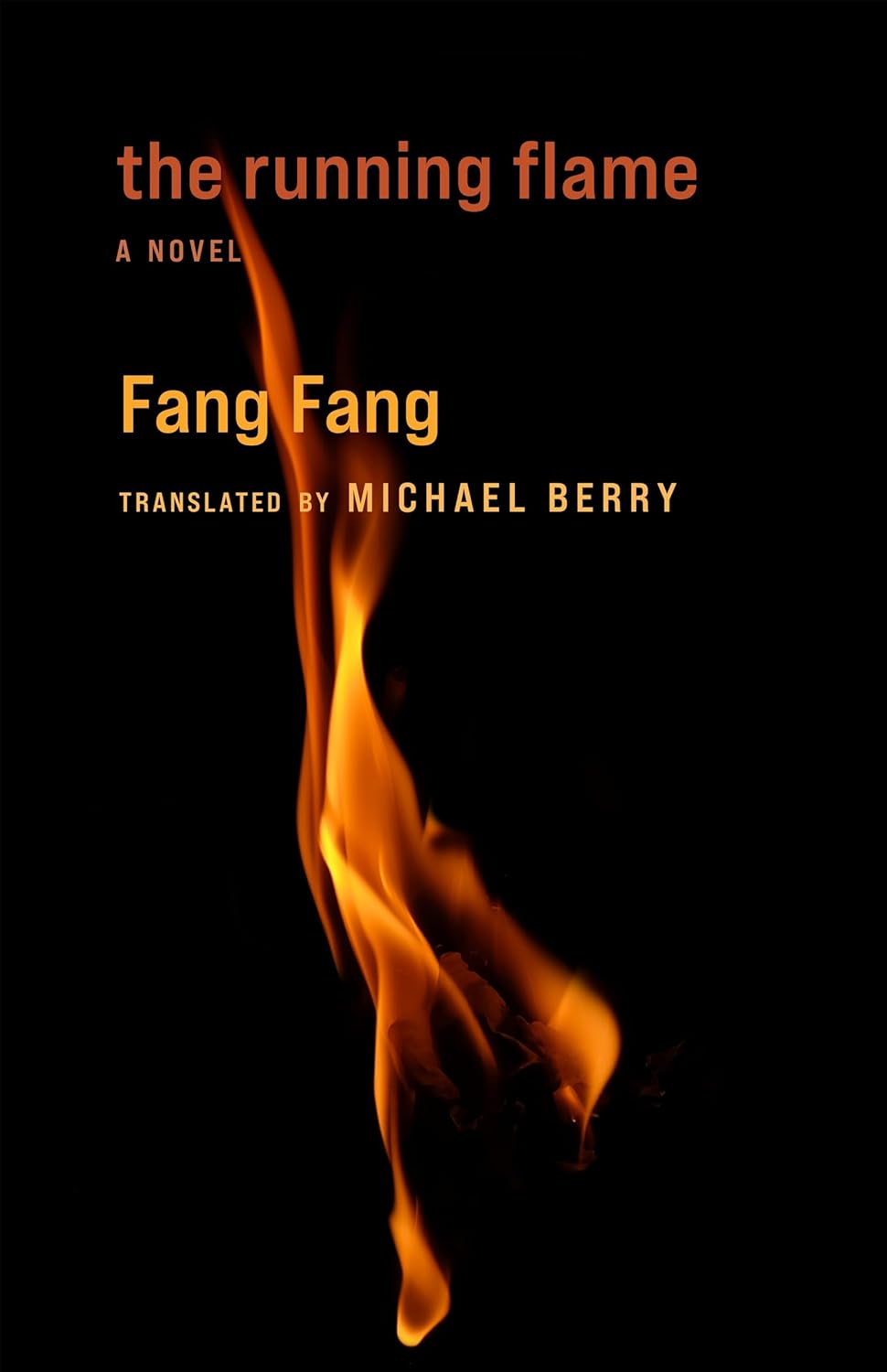
The Running Flame opens in a prison cell, where Yingzhi, a young woman in rural China, awaits her name to be called for execution. Forced into marriage with a feckless husband and marooned in a household of hostile in-laws, Yingzhi dared to want more, then watched her aspirations narrow to the width of a doorway she is never permitted to cross. When she endures, she is blamed. When she fights back, she is mercilessly punished. Rooted in interviews Fang Fang conducted with female death row inmates, this swift, searing novella (also translated by Michael Berry) is equal parts social critique and domestic horror — set against the brutalizing contradictions of China’s roaring 1990s, when economic reform promised transformation for some at the cost of displacement and despair for many. Fang Fang’s prose moves with the velocity of a thriller and the weight of a throbbing heart, illuminating how entrenched patriarchy and stagnant social order conspire to foreclose women’s lives long before any act of violence occurs. ∎
— Jiayang Fan