Sign up for our newsletter to be notified of new posts!
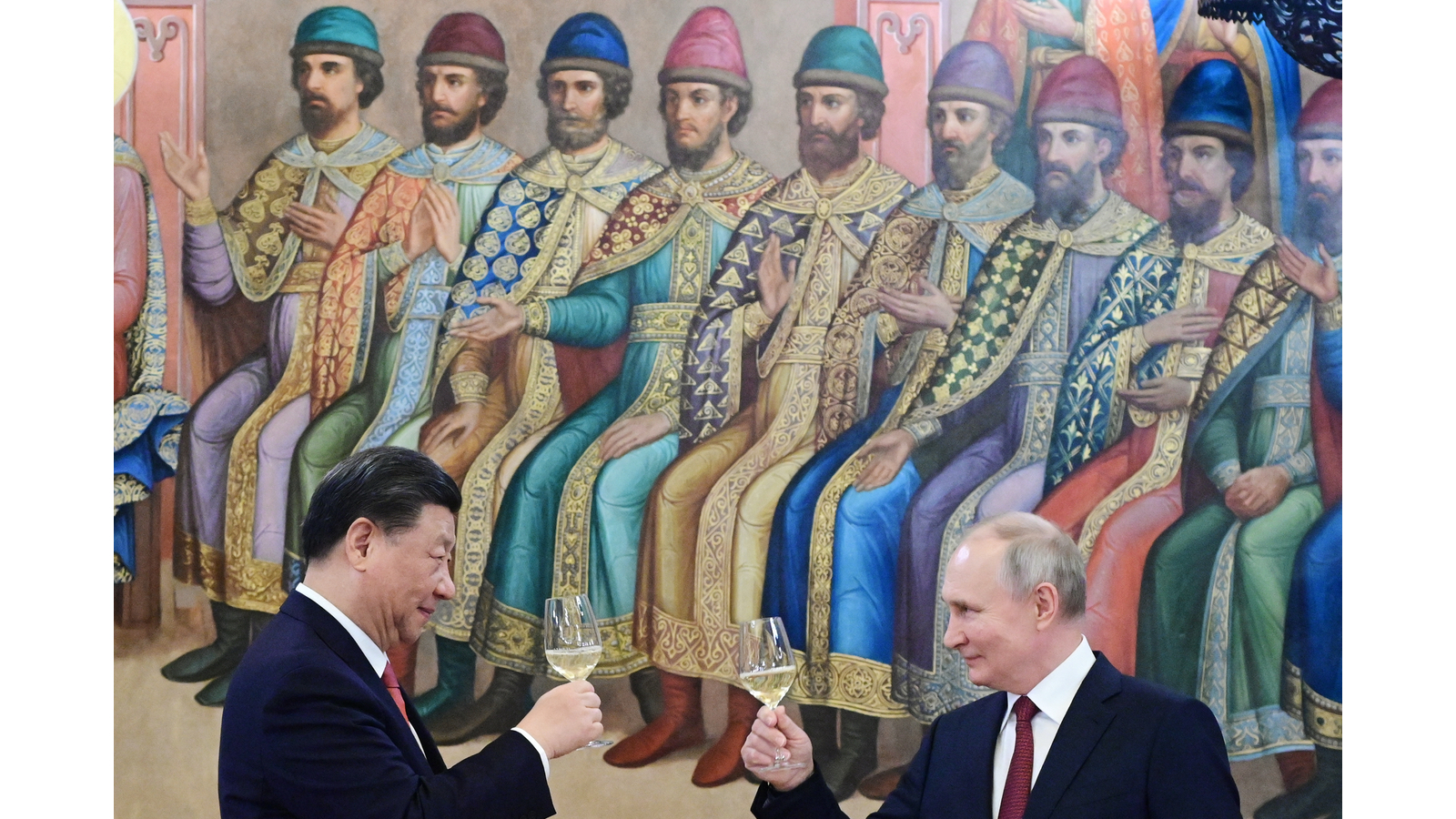
Reviewed: Institutional Genes: Origins of China’s Institutions and Totalitarianism by Chenggang Xu (Cambridge University Press, June 2025).
One of the key intellectual challenges for China watchers in the post-Mao era is to define the nature of the political regime in the People’s Republic of China. The death of Mao Zedong in 1976 brought to an end a form of totalitarianism characterized by mass terror, personality cult, ultra-leftist policies and self-imposed international isolation. But did the end of the Maoist era mean a transition from totalitarianism to a different form of dictatorship? There is no consensus in the scholarly community on this question. The safest answer is the recycled label “post-totalitarianism,” which was used to describe the Soviet Union and its satellites in the post-Stalin era. This definition is not fully satisfactory because it does not tell us, other than the cessation of the most salient totalitarian practices, what exactly a “post-totalitarian” regime is.
An alternative is “neo-authoritarianism,” most often perceived as the most suitable characterization of the Chinese regime since the Tiananmen crackdown in 1989. As commonly understood, “neo-authoritarianism” refers to dictatorships totally focused on economic development (such as Taiwan, South Korea and Singapore) that achieved superior economic performance in the 1960s and 1970s. On the surface at least, the Chinese Communist Party (CCP)’s strategy of preserving one-party rule with pro-development policies is arguably “neo-authoritarian.”
Unfortunately, neither “post-totalitarianism” nor “neo-authoritarianism” can elucidate the nature of the Party regime. It did not cease to be totalitarian merely because its leaders decided to abandon class struggle and embrace capitalism while retaining the fundamental institutions of totalitarianism. Calling the CCP “neo-authoritarian” in the post-Tiananmen era ignores the qualitative differences between China’s one-party rule and the authoritarian regimes in Taiwan and South Korea prior to their transition to democracy.
In a typical authoritarian regime, the ruling elites exercise much less control over the nation’s bureaucracy, society and economy. For example, the private sector in South Korea and Taiwan, not state-owned firms, was the dominant economic force. The state bureaucracy in an authoritarian regime is not usually totally subservient to the rulers, while the legal system maintains a modest degree of independence. Civil society, such as religious organizations, labor unions, private educational institutions and media outlets, has some freedom. By contrast, a totalitarian regime permits no such space for civil society and wields absolute control over the state bureaucracy, courts and armed forces. In terms of repression, totalitarian regimes are far more brutal than authoritarian regimes. No authoritarian regimes have committed atrocities comparable to Stalin’s purges and Mao’s Cultural Revolution.
In his theoretically ambitious new book, Institutional Genes: Origins of China’s Institutions and Totalitarianism (Cambridge University Press, June 2025), the Stanford scholar Chenggang Xu provides an illuminating and original answer to the question about the nature of the Chinese regime in the post-Mao era. According to Xu, the post-Mao regime is best understood as “regionally administered totalitarianism” (区域管理式的极权主义体制 or “RADT” for short). Politically, RADT retains most institutional features of classic totalitarianism, such as the Leninist party-state, the Party’s control of property rights, the legal system, the coercive apparatus and, most crucially, the power of personnel appointment in the provinces. However, unlike classic totalitarianism, economic management and routine administration are delegated to local authorities. This, Xu argues, was the “foundational institution of the post-Mao reform.”
On the surface, Xu’s concept of RADT may resemble “fragmented authoritarianism,” an influential analytical framework for studying Chinese politics in the post-Mao era. But the two concepts are qualitatively different. Fragmented authoritarianism portrays a regime in which decision authority is dispersed; RADT illustrates a more complex reality in which political authority (in particular the power of personnel appointment of provincial leaders) is unitary and centralized even though economic management is decentralized.
Did the end of the Maoist era mean a transition from totalitarianism to a different form of dictatorship? There is no consensus in the scholarly community.
Chenggang Xu traces the origins of RADT to the Great Leap Forward of 1958, Mao’s calamitous attempt to raise economic output in grains and steel. Worried that the cautious central planning bureaucracy would not enthusiastically embrace his unrealistic targets, Mao took away its administrative power over the economy. What replaced the Soviet-style central planning was a combination of ad hoc small groups of top Party officials responsible for specific policy issues, and a drastic devolution of economic policymaking to provinces. But political authority remained centralized and firmly controlled by Mao, who wielded the power of personnel appointment to ensure the political loyalty of provincial leaders.
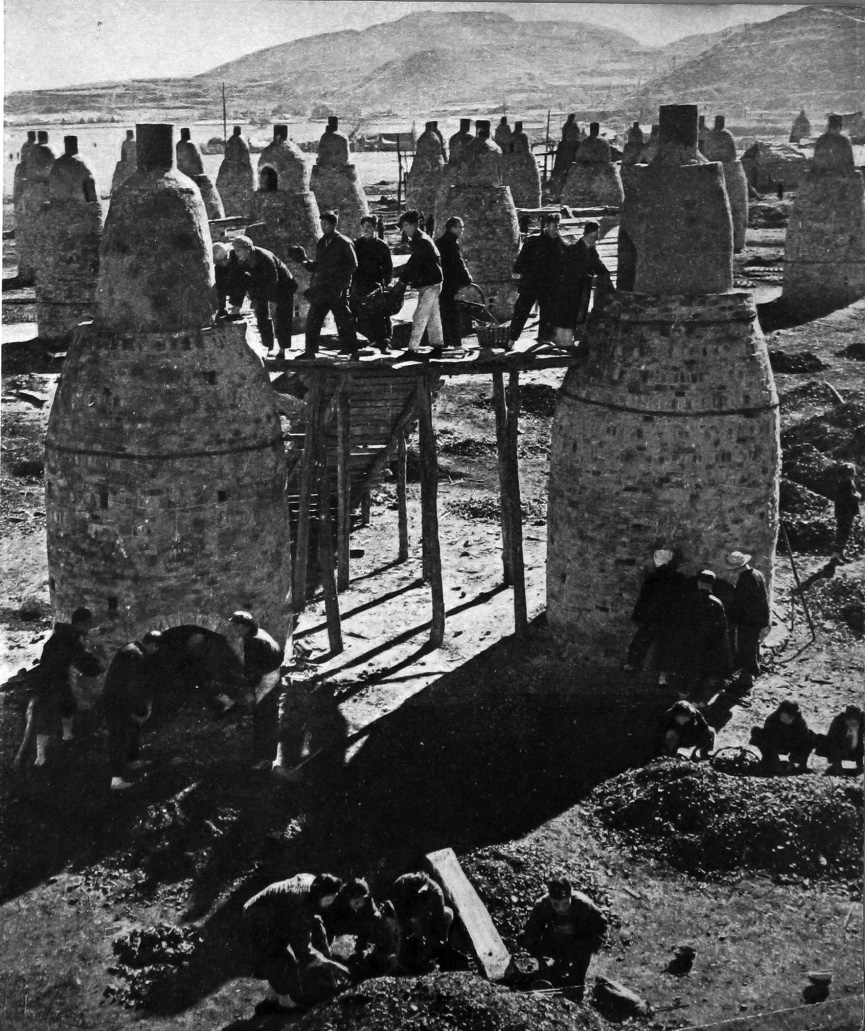
A new political dynamic emerged under regionally administered totalitarianism: competition among regional leaders to curry favor with the totalitarian ruler, either by adopting radical institutions (such as the People’s Communes) reflecting their ideological loyalty to Mao’s ultra-leftism, or by fabricating economic output to demonstrate their administrative competence. During the Great Leap Forward, such competition ultimately proved disastrous. The steel made in makeshift “backyard furnaces” was useless. After wildly inflating grain output in their jurisdictions, provincial leaders seized food from peasants to meet their higher delivery quotas, which was the primary cause of the Great Leap Famine that starved more than 30 million people to death. RADT was further consolidated during the Cultural Revolution (1966-1976) as the central government — paralyzed by assaults by Maoist radicals and a vicious power struggle — lost the effective operational functions of governing. The beneficiaries of the center’s loosening grip on the economy were the provinces: more than 98% of China’s centrally controlled state-owned enterprises (SOEs) were transferred to local governments during the Cultural Revolution.
In the post-Mao period, RADT created an incentive structure entirely missing in the former Soviet Union. Deng Xiaoping and his fellow reformers understood that regional officials would take risky initiatives in economic development only if they could politically benefit from the demonstrated success of their efforts, specifically higher growth rates, rising fiscal revenue and new infrastructure. By making the promotion of regional officials contingent on their record in managing the economy, Beijing successfully aligned the personal interests of its local officials with the Party’s overriding goal of building performance legitimacy in the immediate aftermath of the Cultural Revolution.
To be sure, RADT is a double-edged sword that can do immense damage when local officials are eager to demonstrate political loyalty by over-implementing radical policies. However, when the top leadership decides that the Party’s top priority is achieving rapid economic growth to regain popular support, as was the case starting in 1979, local officials compete with each other to produce superior economic performance. Thanks to such competition, according to Xu, many local officials took risks to adopt more innovative and pro-market measures, such as improving investment conditions to attract investors and providing de facto protection of the property rights of private entrepreneurs. Their success in boosting economic performance encouraged local officials in other jurisdictions to imitate pro-growth reforms.
Because the private sector and foreign-invested firms were the most important contributors to growth, while state-owned enterprises were consistently a drag, officials in jurisdictions where private entrepreneurship flourished were better positioned for promotion than those presiding over less dynamic regions. Consequently, inter-regional competition escalated as local officials exercised their discretionary power to experiment with more pro-growth measures, all to impress top leaders in the central government who controlled their political future.
‘Regionally administered totalitarianism’ is a double-edged sword that can do immense damage when local officials are eager to demonstrate political loyalty by over-implementing radical policies.
Although regionally administered totalitarianism rescued the CCP after the disastrous Cultural Revolution, “totalitarianism with Chinese characteristics” has its limits. Economically, RADT is incapable of sustaining economic development because, as Xu argues, it retains the capacity to violate private property rights. Under RADT, capitalism is a tool to serve the Party’s political interests. When the Party feels threatened by the growth of private wealth, it can change laws and impose new regulations to curb the private sector, as Xi Jinping did in 2022 when he launched a ferocious campaign against the so-called “disorderly expansion of capital” (资本无序扩张).
Such backlash against the private sector is one of the causes of China’s current economic stagnation. According to Xu, it is an inevitable outcome of the persistence of RADT in post-Mao China. The regime tolerated and even encouraged the private sector when its top priority was to boost performance legitimacy. But when preventing “peaceful evolution” (和平演变) — the erosion of the Party’s ideological appeal and political power through incremental socioeconomic progress — became the Party’s most important concern, it put private entrepreneurs in “their place” with no hesitation or heed for the potential economic costs, as demonstrated by Xi Jinping’s ruthless crackdown on the private sector and civil society since 2013.
Another fatal flaw of RADT is the inefficiency embedded in the state’s ownership of vast economic assets. Even though China has been transitioning away from a command economy for more than four decades, the state keeps an immense stake in the economy. Besides its status as the only de facto owner of all land, the Chinese state controls industrial and financial behemoths that occupy the country’s economic commanding heights. This extensive control of the economy limits competition and breeds inefficiency.
An even more worrisome outcome of this feature of RADT is that such a system is likely to create credit bubbles and financial crises. Xu shows that regional competition encourages local officials to seek short-term growth with excessive borrowing, using the assets under their control (mainly land) as collateral. Over time, this practice of goosing up growth has resulted in overleveraging (China’s debt-to-GDP ratio currently stands at close to 300%), inflated an epic real estate bubble, and created unprecedented risks of a financial crisis. Seen in this light, China’s current anemic growth is not a bug but a feature of regionally administered totalitarianism.
Yet RADT is just one of the many important theoretical contributions of Xu’s book. As indicated by the title, Xu’s primary focus is on the origins of totalitarianism. In his telling, although this form of dictatorship emerged in the 20th century, its institutional genes can be traced to autocratic regimes established in ancient times in countries including both China and Russia. The question he asks is why, given that all societies were initially ruled by autocracy, constitutionalism was established in some societies but totalitarianism took root in others. Xu’s answer is that pivotal institutional changes that occurred during the evolution of traditional autocracies decisively shaped their future political order.
His analogy of genetic mutation illustrates why efforts to construct lasting constitutional rule repeatedly failed in Russia and China, while totalitarianism found fertile soil. Some institutional changes adopted by rulers in traditional autocracies resulted, over time, in the qualitative transformation of their regime characteristics, making them distinct from autocracies that did not make the same institutional changes. Historical evidence backing Xu’s insight is easy to find. Of traditional autocracies, imperial Russia and China stood out for their rulers’ unconstrained power and control of immense wealth; the absence of autonomous social forces; the poor protection of private property; a dominant ideology or religion in the service of the state; and the use of violence as the primary means of social control. Readers familiar with Stalinist or Maoist regimes will instantly recognize the remarkable institutional continuity between traditional autocracy and modern totalitarianism in both Russia and China.
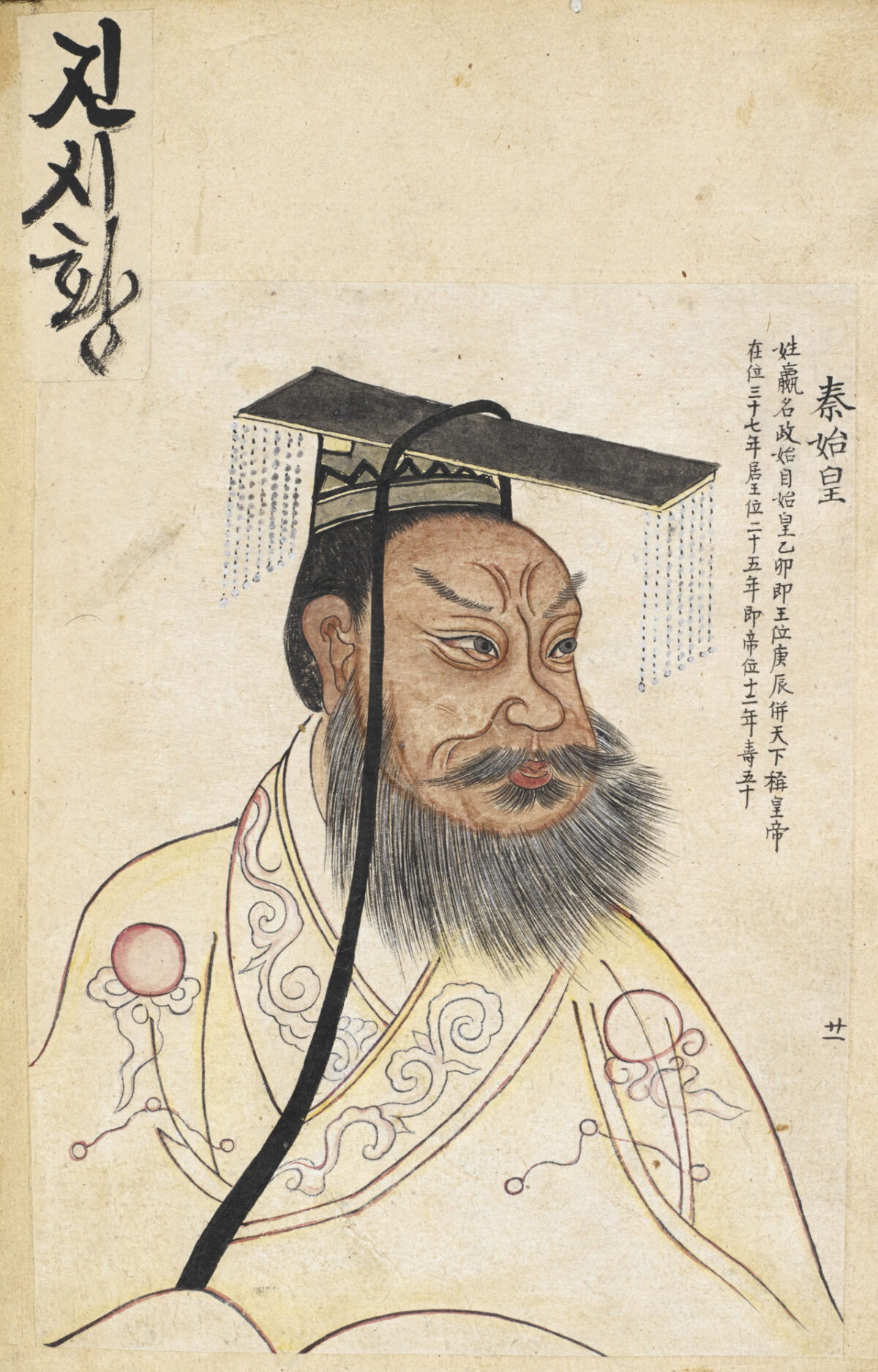
In China’s case, genetic or institutional mutations during imperial rule, cumulatively and over time, steered China in the direction of totalitarian rule. Specifically, Xu identifies three distinct institutions in imperial China as the precursors of its totalitarian order post-1949: a governance structure based on prefecture-county jurisdictions or junxian (郡县); the imperial monopoly of land ownership; and the keju (科举), an examination system used to select officials to serve in the imperial bureaucracy. Of this (unholy) trinity, junxian and imperial land ownership were established in the Qin dynasty (221–206 BCE), while the keju was adopted by the Sui dynasty (581–619 CE). Strikingly, even though neither the Qin nor Sui dynasty lasted long, the institutions they invented have endured to the present day.
The reason, Xu posits, is straightforward. Junxian jurisdictions constituted a top-down system enabling the emperor to wield direct control of personnel appointments, delegating routine administrative authority to local officials. This arrangement ensured the political loyalty of local officials and made it possible to rule a vast empire. At the same time, the imperial monopoly on land ownership, the most valuable asset in an agrarian society, ensured the emperor’s control over the economy and prevented the accumulation of wealth by autonomous social groups. The keju exam, meanwhile, equipped the imperial regime with the means to recruit and ideologically homogenize the most talented and ambitious individuals, whose upward mobility was controlled. The durability — if not immortality — of these imperial institutions is therefore no mystery. Instead of providing good governance, this trinity was custom-made to eliminate all potential sources of opposition (such as an independent aristocracy and property owners), monopolizing power in the hands of the emperor.
Xu’s theory forces us to confront an honest but brutal truth: that totalitarianism is indeed unreformable.
Absorbing Xu’s sobering analysis of the origins of China’s totalitarian institutional genes, one has to wonder whether such a regime can evolve into a more constitutional order. Unfortunately, such an outcome is unlikely: Xu convincingly illustrates why reforming totalitarian regimes has a low probability of success.
In post-Mao China, a transition from RADT to “regionally decentralized authoritarianism” (RDA) initially showed some promise. In Xu’s framing, “opposing institutional genes” — the green shoots of civil society, ideological diversity and private ownership of assets during the reform era of the 1980s — might have nudged China toward a more liberal regime. But the trend was easily reversible. China’s fundamentally totalitarian institutions remained intact, in adherence to Deng’s “Four Cardinal Principles” (四项基本原则) of 1979 (upholding socialism, the people’s democratic dictatorship, the leadership of the CCP and Mao Zedong Thought). After the rise of Xi Jinping to power in 2012, the Party did not want its power threatened by emerging forces, and easily mobilized the coercive capacity of totalitarianism to suppress these threats. When Xi targeted human rights lawyers in July 2015, for example, Chinese police arrested several hundred lawyers nationwide in one day.
A comparison that Xu cites to underscore the difference between unreformable totalitarianism and reformable authoritarianism is Taiwan’s transition to democracy. In thinking of China’s future, it is tempting to point to Taiwan’s democratic success, arguing that China can follow the same route. Xu does not believe that that scenario is likely, because Taiwan never had the same totalitarian institutional genes. Its incorporation into the Chinese empire was recent and short, so the trinity that sustained despotic imperial rule on the mainland had no equivalent in Taiwan. Meanwhile, the institutional genes of constitutionalism, such as private property rights and democratic politics, emerged during Japanese colonial rule over Taiwan. Most importantly, the Kuomintang regime that ruled the island after 1949 was authoritarian, not totalitarian, lacking the institutional capacity to impose social control in Taiwan comparable to that of the Maoist regime on the mainland.
The only successful cases of replacing totalitarianism, according to Xu, are through revolution, not reform — as occurred in 1989 in Eastern Europe, where externally imposed totalitarian regimes lacked the institutional genes required for regime survival. Xu’s penetrating analysis of the unreformability of totalitarian regimes may strike many readers as too pessimistic. But he is on solid ground. History is on his side. The theoretical originality and empirical richness of Institutional Genes make Xu’s book an instant classic. His probing analysis, deep insights and comparative perspective powerfully illuminate why the CCP is not a garden-variety dictatorship.
For the outside world, the implications of Xu’s insights are troubling. Historically, no totalitarian regimes have been transformed into democracies peacefully. If more than four decades of super-fast economic modernization have failed to dismantle China’s totalitarian institutions, then the only hope we can have for change is that political reform similar to Mikhail Gorbachev’s glasnost and perestroika in the USSR might produce better outcomes. But since the former Soviet Union disintegrated mid-course, Xu’s theory forces us to confront an honest but brutal truth: that totalitarianism is indeed unreformable. ∎
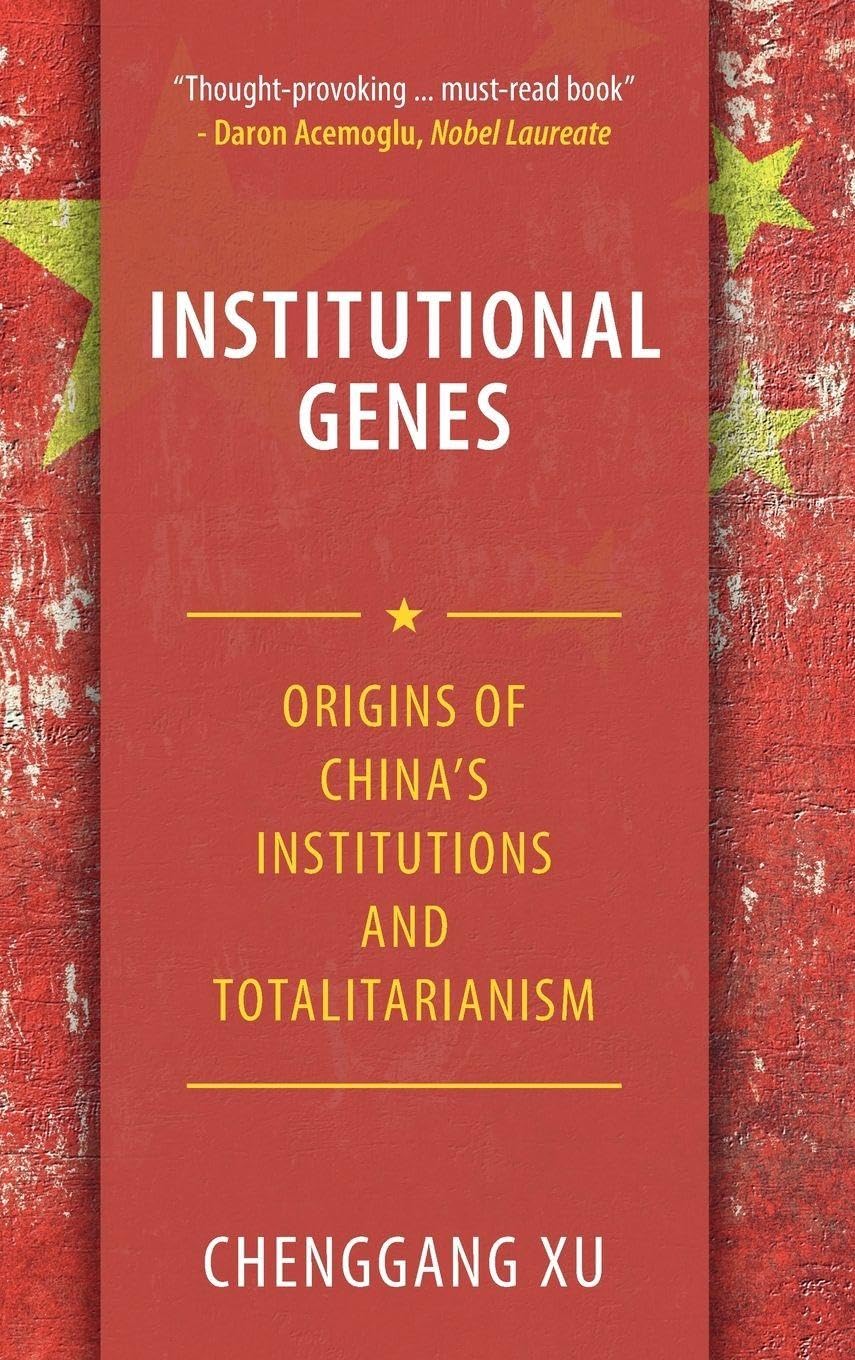
Header: Xi Jinping and Vladimir Putin make a toast during a reception at the Kremlin, March 2023, the kings of yore looking on behind them. (Pavel Byrkin/Sputnik/AFP)

Minxin Pei is a Chinese-American political scientist. He is Professor of Government at Claremont McKenna College, and the editor of China Leadership Monitor. His books include The Broken China Dream (2025), The Sentinel State (2024), China’s Crony Capitalism (2016), China’s Trapped Transition (2006) and From Reform to Revolution (1994).