Sign up for our newsletter to be notified of new posts!
On Tuesday, we announced the shortlist for our Baifang Schell Book Prize’s literature award, honoring the best novels and short story collections of 2025, translated from Chinese.
Today, we are delighted to present the shortlist for our nonfiction category, the 2025 Award for Outstanding Nonfiction Book on China or the Sinophone World, which comes with a $10,000 prize. The shortlist was selected by an independent jury of writers and experts on the region (including the winner of last year’s prize): Isabel Hilton (chair), Andrew J. Nathan, Yangyang Cheng, Edward Wong and Jeffrey Wasserstrom. Over the past months, they have read through over 50 nominated titles published in 2025 to select five superlative works of nonfiction still contending for the prize.
The shortlisted books below are listed in alphabetical order by author, and each synopsis was written by a different judge (but do not indicate any favorites). The winner, and honorable mention(s), will be announced next month — follow us to hear about it first — with an awards ceremony at Asia Society in New York to follow in the early summer. For now, read on to see the five books our jury elected as the best nonfiction about China last year.
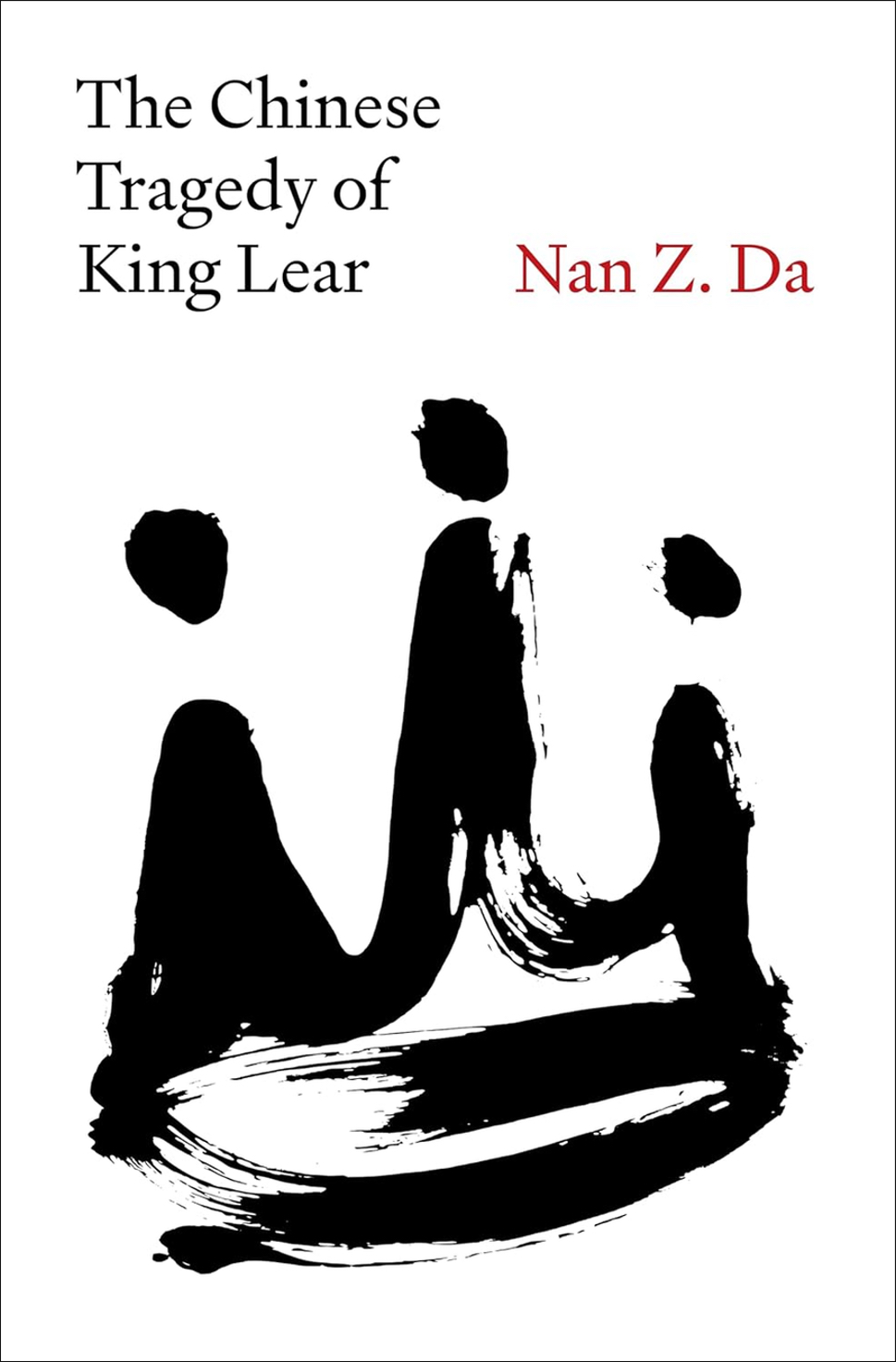
The Chinese Tragedy of King Lear
The Chinese Tragedy of King Lear by Nan Z. Da is a remarkably original work that gives us a window into modern Chinese society and the nature of authoritarianism through the lens of one of Shakespeare’s great tragedies. Defying genres, it weaves together history, memoir and literary criticism into a compelling book that transcends borders and eras. A professor of comparative literature and culture, Da displays her scholarship in an accessible manner. She moves effortlessly from inquiries into family trauma to retellings of ancient history to textual analysis of English and Chinese literature, film and opera. It is a meditation on power and violence, and also on art and beauty. The language and narrative voice are by turns erudite, conversational and lyrical. As in the works of Shakespeare, this book is ultimately about universal truths, ones that for better or worse are as relevant to our tenuous world today as they were to China or England centuries ago.
— Edward Wong
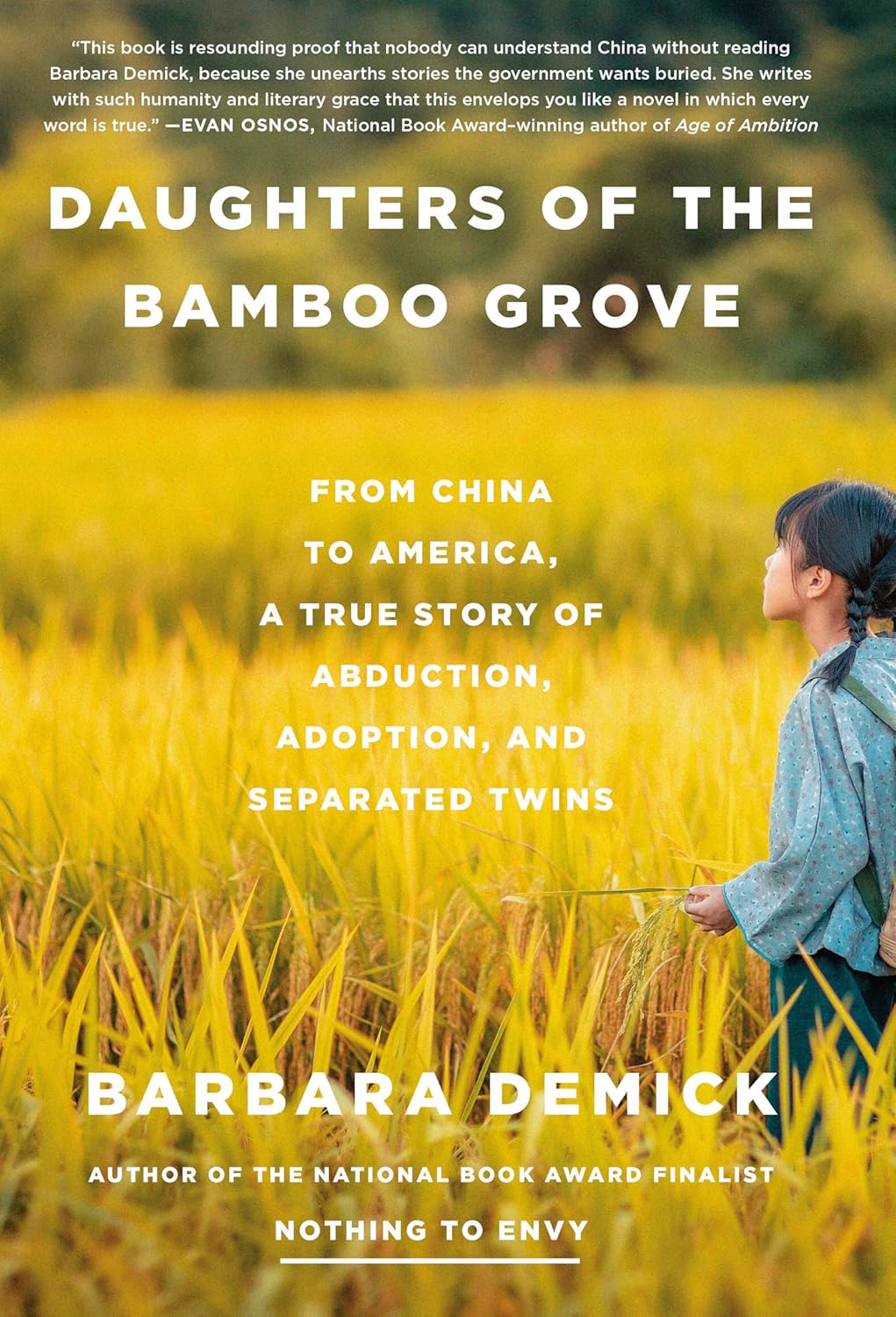
Daughters of the Bamboo Grove
From China to America, a True Story of Abduction, Adoption, and Separated Twins
Daughters of the Bamboo Grove by Barbara Demick is the vividly told story of two Chinese twins separated as toddlers — one adopted to the U.S., the other still in China — and their families, in the context of the triple scandal of China’s coercive one-child policy, its baby-snatching industry, and the sale of Chinese babies to American families as adoptees. The story is deeply reported, engagingly written and enriched with thoughtful insights on adoption in general and twins in particular. An admirable feature of Demick’s approach is that she does not demonize any of the actors in the drama but understands their personal motives and institutional constraints.
— Andrew J. Nathan
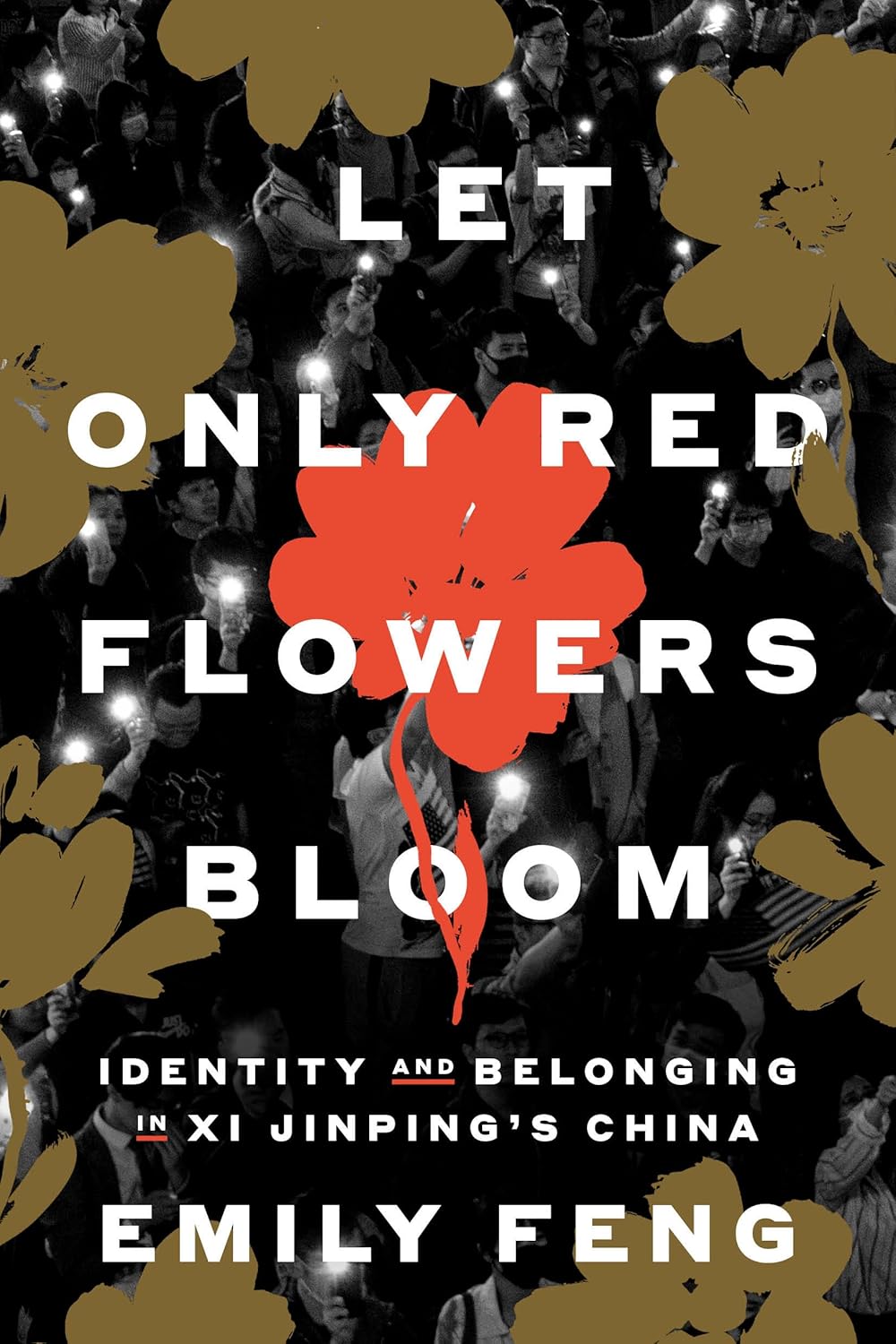
Let Only Red Flowers Bloom
Identity and Belonging in Xi Jinping’s China
Emily Feng’s Let Only Red Flowers Bloom introduces readers to both memorable people and big ideas, via a series of consistently accessible and engagingly written profile-driven chapters. Based largely on reporting the author did for NPR, the book takes us from Beijing to Hong Kong to Taiwan. Along the way, we get to know the varied views and experiences of a mix of individuals: Han Chinese, but also a Mongolian teacher concerned about moves to limit the use of the Mongolian language in schools, and Muslim members of the Uyghur and Hui ethnicities. A central theme throughout is the damage being done by the Communist Party’s recent efforts to enforce a rigidly defined vision of Chineseness, and the Chinese American author’s own wrestling with issues of identity and belonging becomes part of the story in illuminating ways.
— Jeffrey Wasserstrom
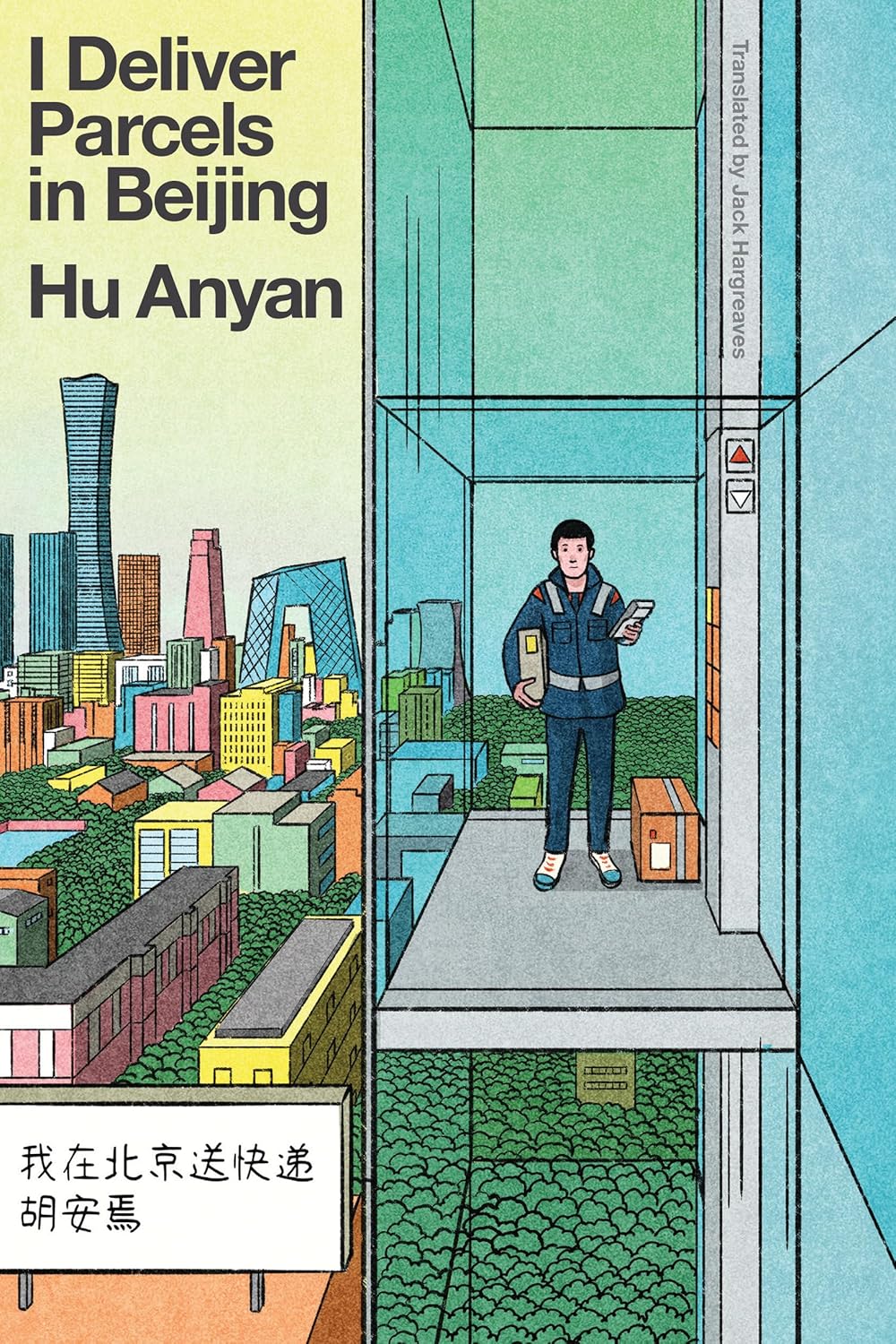
I Deliver Parcels in Beijing
A striking first-person account of being working-class in China and surviving in the gig economy, I Deliver Parcels in Beijing is a rare and urgent book for our times. The author’s experiences, shared by countless others all over the world, reveal the shadows beneath China’s economic miracle, and shatter the myth that technology and entrepreneurship can be the engines of eternal progress and social uplift for all. A keen observer of human nature and an artist at heart, Hu Anyan writes without pretense or self-pity. His chronicles capture the quotidian tedium of precarious living, and glimmer with grit, hope and humor. The rhythm and style of Hu’s plain prose are masterfully rendered into English through Jack Hargreaves’s translation. To read I Deliver Parcels in Beijing is not just to empathize with the struggles of one man, but to interrogate the structural causes and imagine alternatives to exploitation.
— Yangyang Cheng
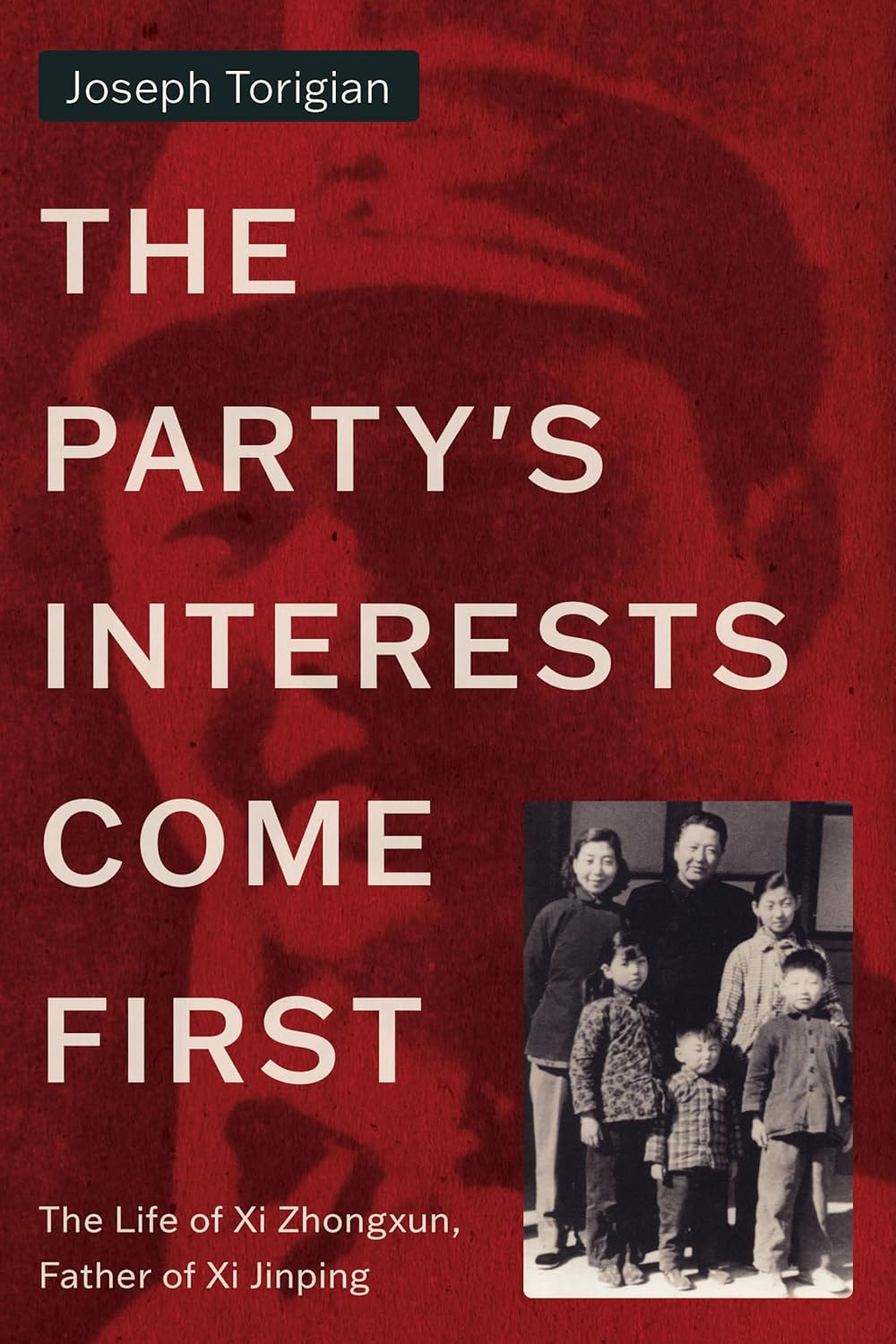
The Party’s Interests Come First
The Life of Xi Zhongxun, Father of Xi Jinping
The Party’s Interests Come First by Joseph Torigian is a compelling biography of Xi Zhongxun, father of China’s current leader, Xi Jinping. It paints an unforgettable picture of the violent and dangerous politics of China’s Communist Party, and Xi père’s unshakeable devotion to it. Xi Zhongxun rose to be vice premier of China, then suffered a precipitous fall that led to 16 years of disgrace, self-abasement and imprisonment. He would have to wait until the death of Mao Zedong to be rehabilitated, and Xi Jinping was just nine years old when his father was disgraced. The book is an indispensable guide to the experience of the first generation of China’s revolutionaries, the legacy they passed on and the lessons the next generation absorbed. Neither father nor son abandoned the Communist Party, despite their family suffering. What Xi Jinping learned was not that authoritarianism was bad but that, in China’s system, only complete control could guarantee survival. ∎
— Isabel Hilton