Sign up for our newsletter to be notified of new posts!
Love. Revolution. Justice. Memory. Dogs. Such are the rich themes and topics that run through our latest round-up of new and recent books on China and the Sinophone world. A consideration of Hong Kong’s relationship to its canine population tells us much about its colonial past and complicated present. A history of the Great Leap Forward investigates the rise of urban communes and the impact of their demise on female liberation. A speculative short story collection explores a range of characters’ changing relationships to China. And two anthologies — of classical and modern drama, and love literature through the ages — offer even more beach reading for the swan song of your summer.
If that isn’t enough, join us also for our next book club in September to discuss a collection of previously untranslated Eileen Chang stories. And sign up (using the discount code CBR15 for China Books Review readers) for our exciting slate of fall events, from Xiao Hai on migrant literature to Jung Chang on her sequel to Wild Swans.
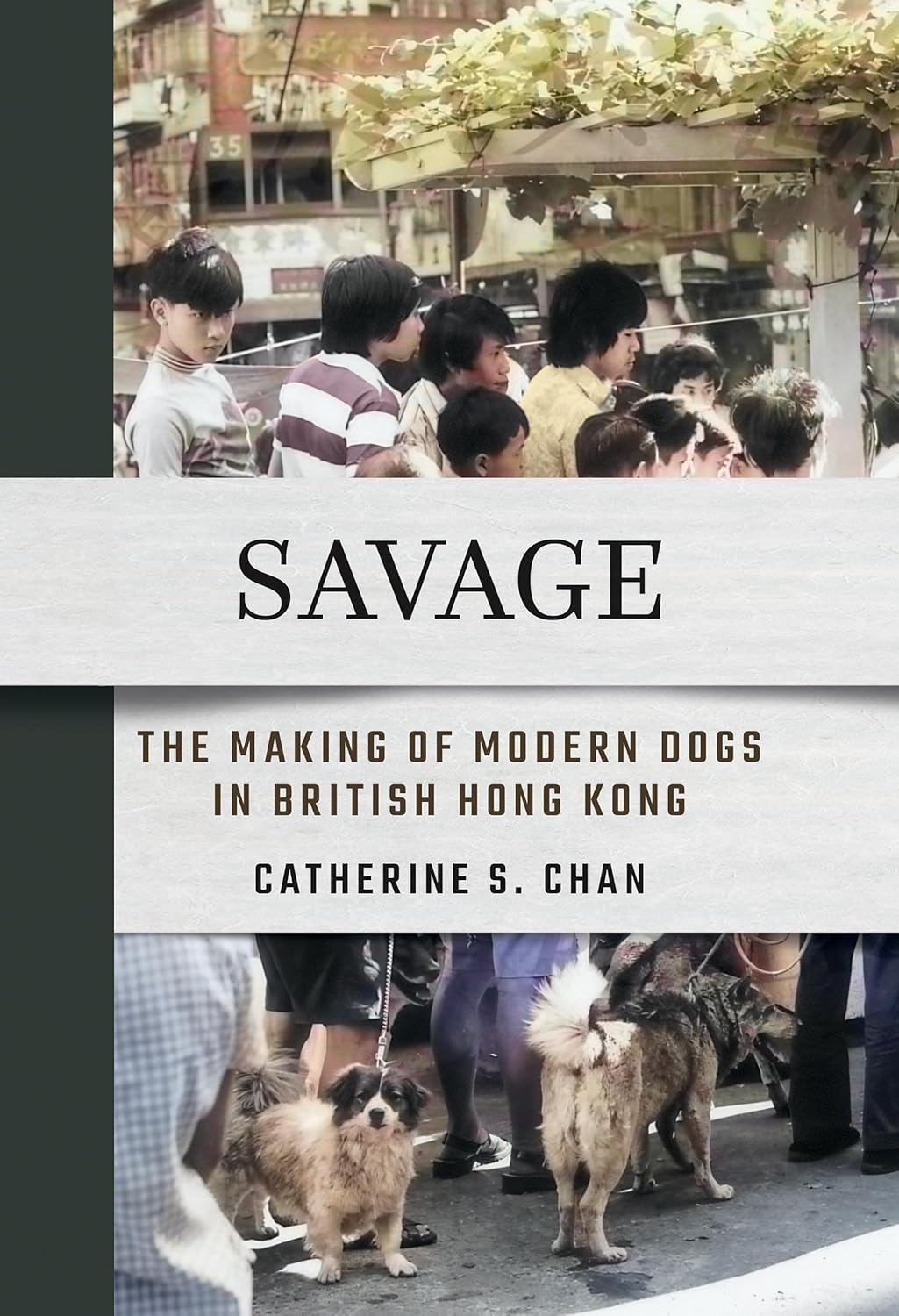
Savage
The Making of Modern Dogs in British Hong Kong
Savage is a brief history of Hong Kong’s most beloved — or is it reviled? — inhabitants: dogs. Catherine Chan, a historian at Hong Kong’s Lingnan University, examines how dogs shaped work, play and politics from the territory’s colonial period (1842 to 1997) through the COVID-19 pandemic. At the book’s core is the historical conflict between the city’s British rulers and Chinese populace, back when dogs were an avatar for colonial anxieties about the orient, seen as violent vectors of disease subject to mass extermination. But the Brits also founded Hong Kong’s Society for the Prevention of Cruelty to Animals, which campaigned for Hong Kongers of all stripes to consider the suffering of animals, and thus care for them. The book’s most interesting chapter deals with the consumption of dog flesh, which offended British pieties but not local mores at the time. Savage ends with a provocative bite: can the definition of Hong Konger expand beyond the anthropocene to include the canine?
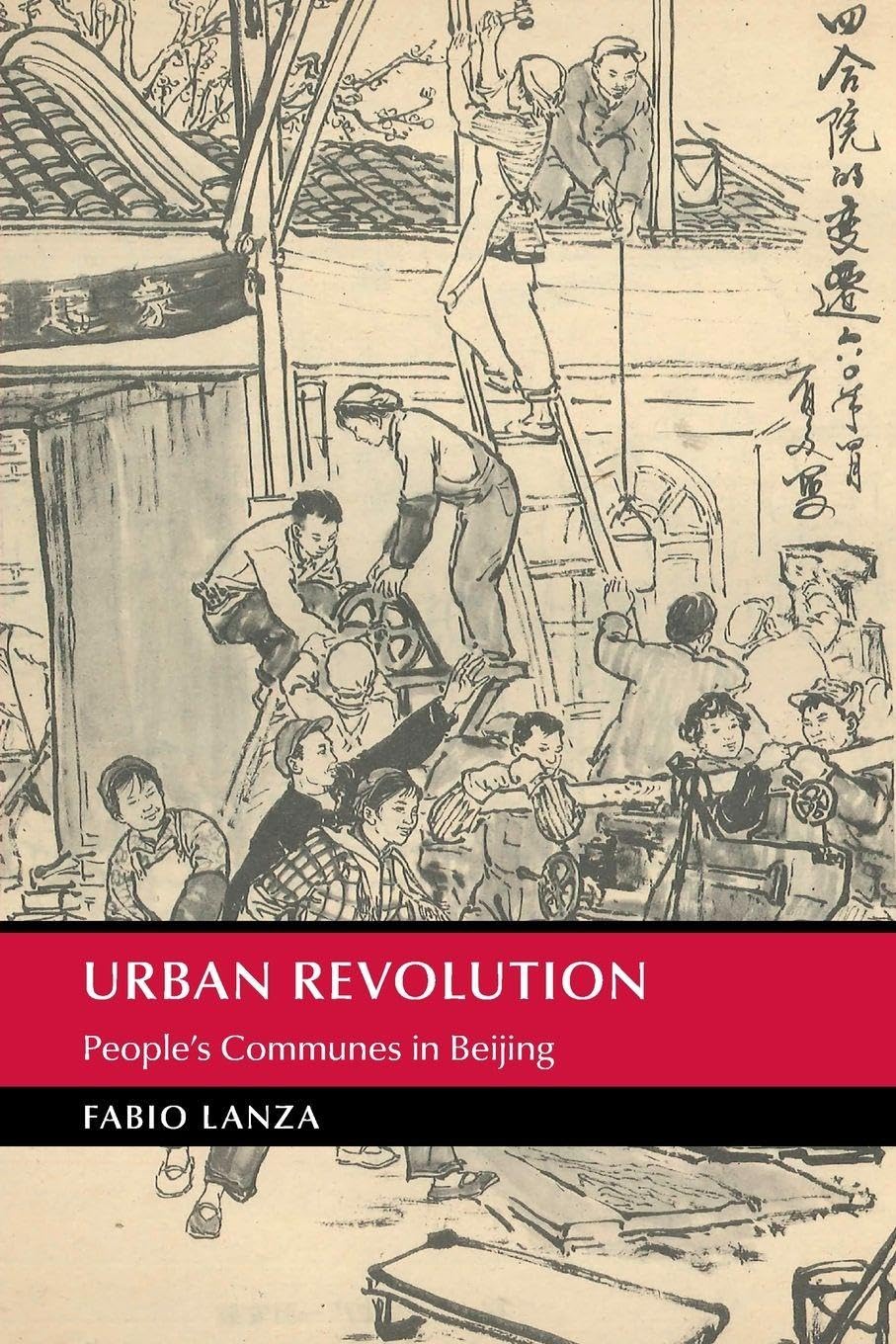
Urban Revolution
People’s Communes in Beijing
The rural story of Mao’s Great Leap Forward (1958-1962) is well known: mania led to famine. But in urban Beijing, argues the historian Fabio Lanza in this revisionist history, the campaign was “not radical enough.” Urban Revolution is a thought-provoking study of the effort to create radically new social relations through the organization of urban communes. Labor for communal enterprises was designed to free women from the drudgery of domestic work. By 1960, however, the communes began to falter. The enterprises were inefficient, the canteens and kindergartens associated with them were unpleasant and unhygienic. Cadres in pursuit of savings slashed the wages and benefits of female communal laborers, while protecting those of state-owned enterprise employees. Bitter recriminations followed. One woman put it starkly: “They are workers, we are just whores.” The experiment might yet have worked, Lanza contends, if it were given a true chance to succeed. Does that thesis hold? Judge for yourself. But Lanza’s uniquely dexterous archival research and authorial flair make this an engaging read.
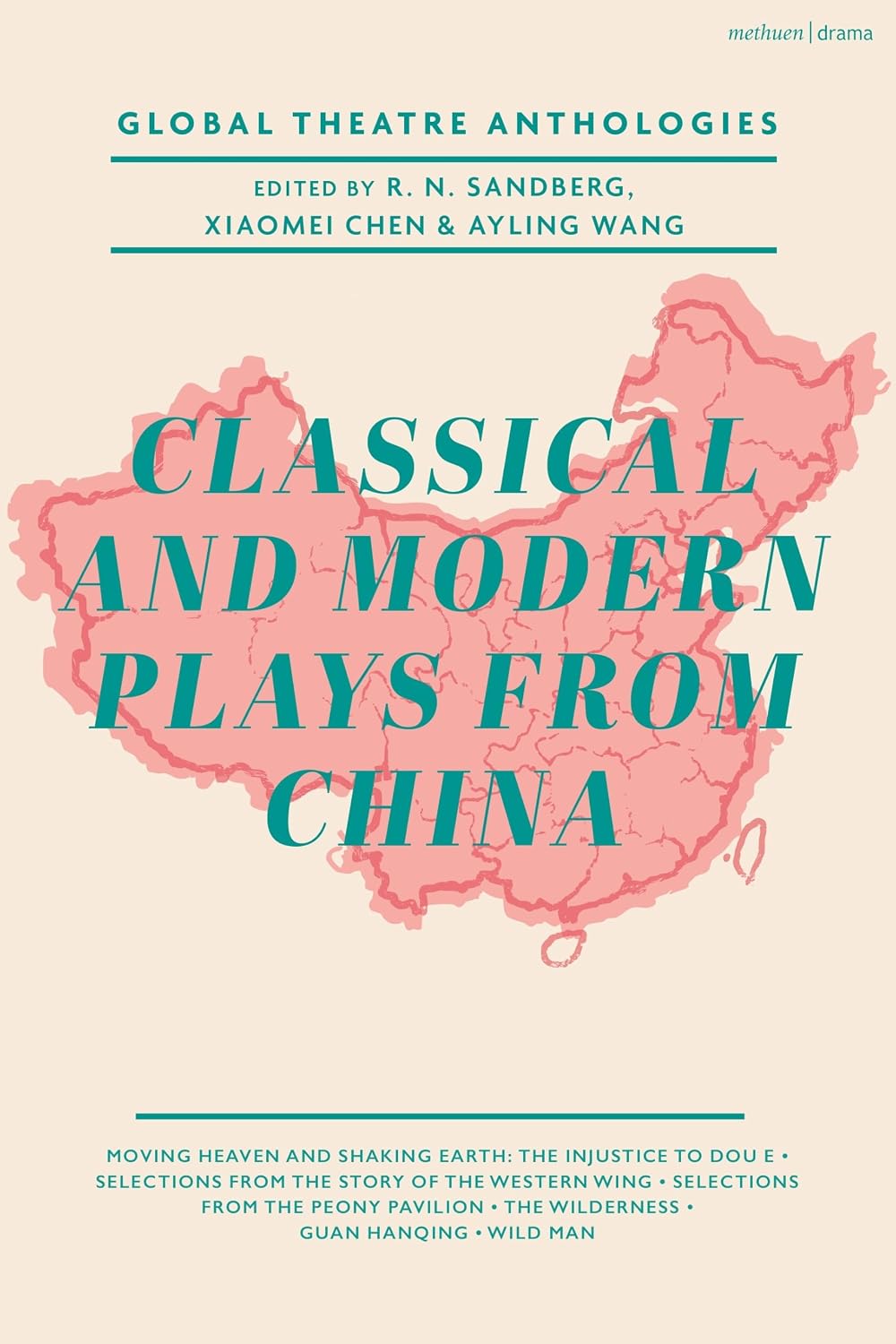
Classical and Modern Plays from China
Global Theatre Anthologies
The drama and tragedy of Chinese history can hardly be contained in a single book. Unless, perhaps, that book is an anthology of Chinese drama and tragedy. Classical and Modern Plays from China is the third in a series of global theater anthologies from Bloomsbury, after India and Africa. The book features six plays, ranging in their provenance from the Yuan Dynasty to the People’s Republic. Intriguingly, many share an ecological bent. The first play, the classic Injustice to Dou E, ends with snowfall in June; the last, Nobel laureate Gao Xingjian’s avant-garde Wild Man, follows an ecologist through the deforested bounds of the Yangtze River. The editors, R.N. Sandberg, Xiaomei Chen and Ayling Wang, have done an admirable job consolidating these diverse plays into a single volume, giving readers a sense of how China has staged itself through history. A rich primer for newcomers to Chinese theater as well as an invitation to retrace old paths for lovers of its classic forms and modern offspring.
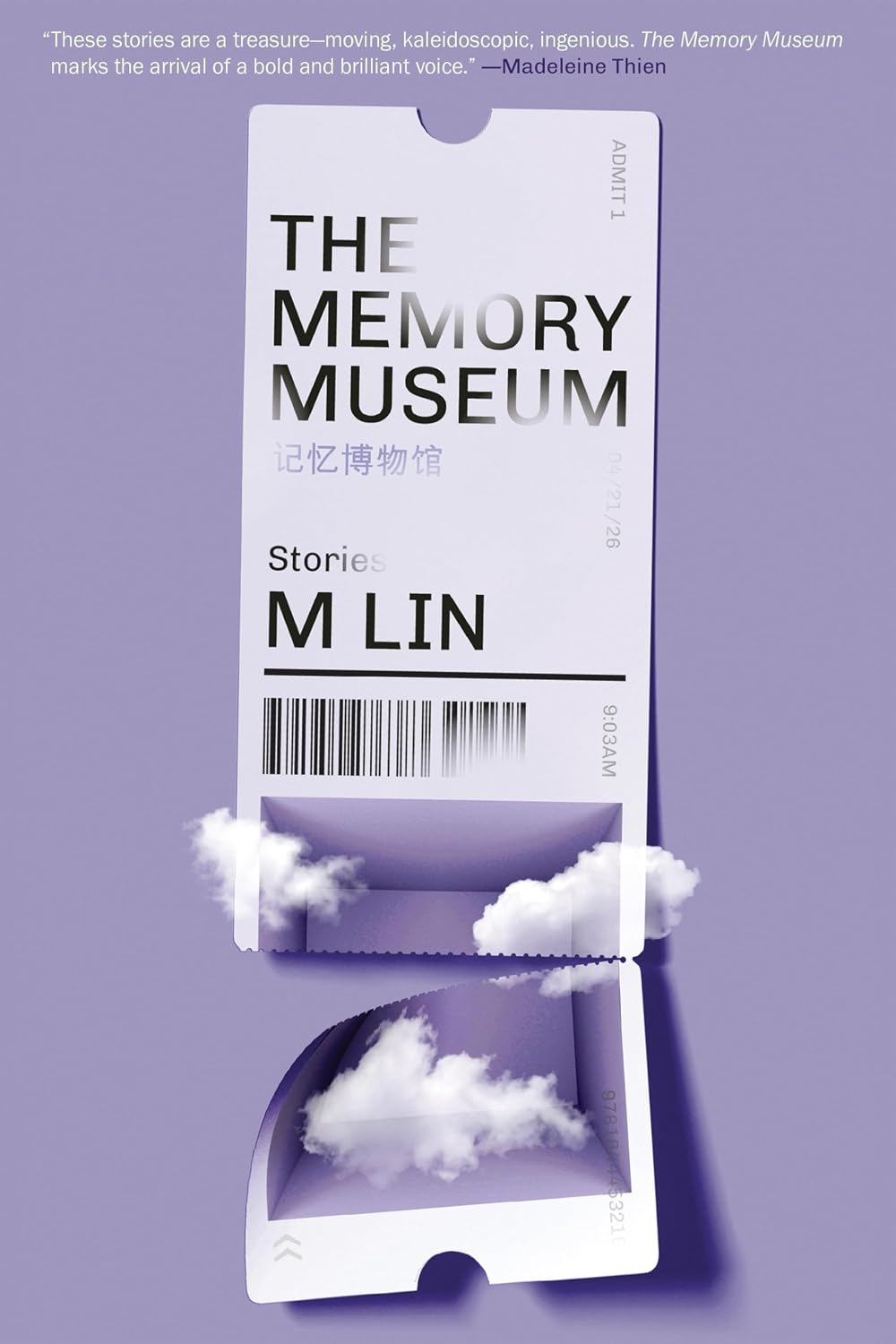
The Memory Museum
Stories
A debut fiction collection by a Chinese writer based in New York, The Memory Museum weaves together nine stories that move between contemporary China and its diaspora, as well as speculative futures. M Lin — who publishes under an initial as there can be repercussions for Chinese writing about sensitive topics even when abroad — limns the boundaries of Chinese identity through themes of memory, migration and alienation. An elderly woman in New Zealand recollects her parents’ past in the Tiananmen Square protests. Migrant workers and petty thieves bond in the night streets of Shanghai. A wealthy Chinese woman in Pittsburgh has an affair with her masseur. Participants and observers of the 2022 White Paper protests wrestle with its aftermath. Through intricate plots and careful prose, this enjoyable collection tackles what it means to be part of — or apart from — China, and how memory and forgetting can be acts of both survival and resistance.
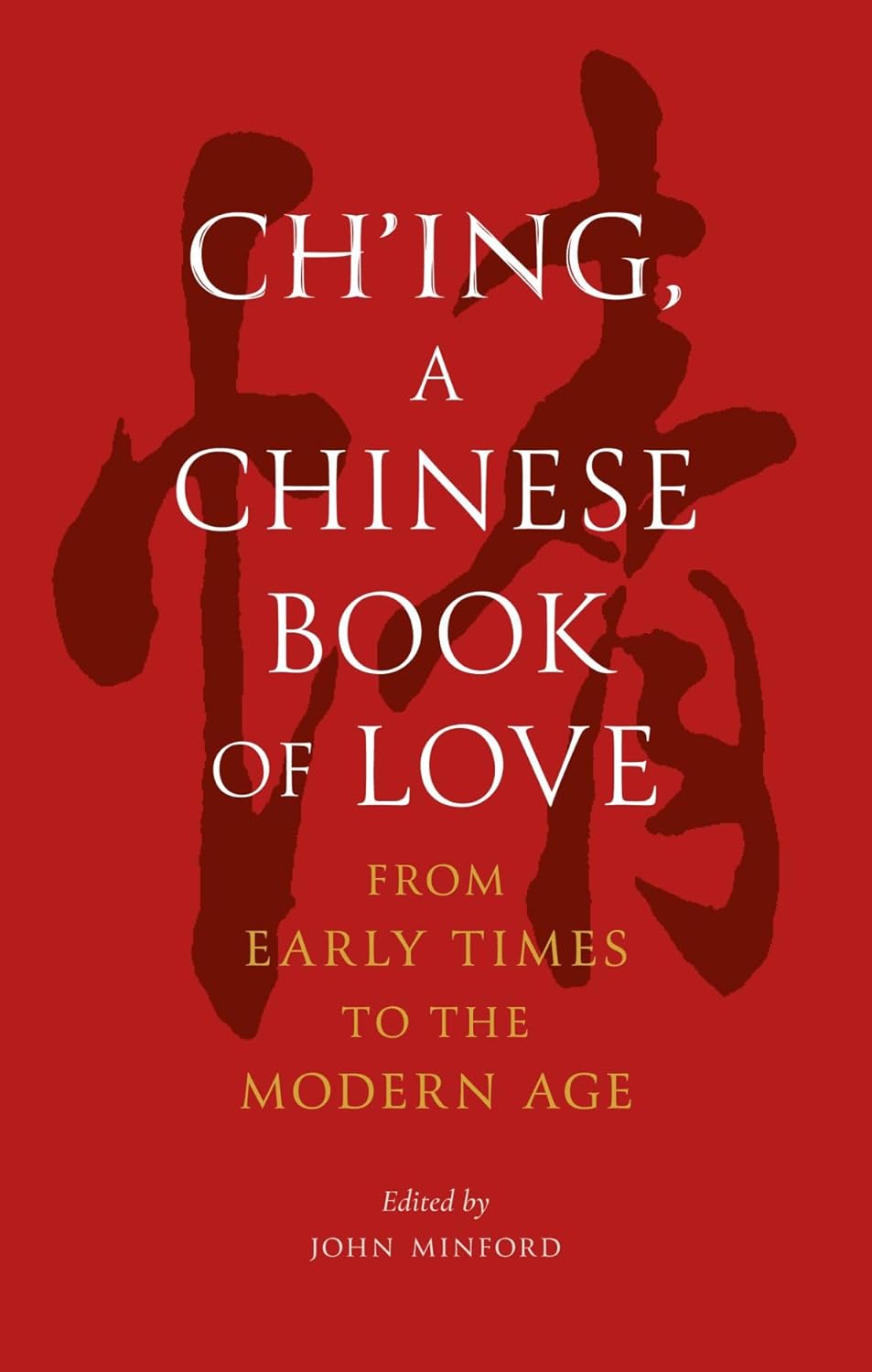
Ch’ing, a Chinese Book of Love
From Early Times to the Modern Age
China is for lovers. Or so this collection has it. Edited by the legendary sinologist John Minford, Ch’ing is an uninhibited collage of love literature, featuring poems, novels, dramas, woodblock prints, essays and film. The selections span Western Zhou odes to Ming Dynasty sex handbooks to the screenplay of a turn-of-the-millennium Hong Kong erotic film. Each is prefaced by an explanatory note from Minford that contextualizes its inclusion. This is no mere debauched romp. The collection has a political aim, too: reclaiming China from the Confucian prudes who bowdlerized Chinese literature’s sensuous side over the centuries. (The spontaneous combustions of Taoist love did not sit well with their rituals and harmonies.) This volume restores and explores that corpus. What emerges is a China that, like love, is more strange than it is orderly, more familiar than it is foreign. Minford has curated a worthy addition to any bedchamber book stand. ∎
Ed: The blurb for Memory Museum was amended to remove a character name.