Sign up for our newsletter to be notified of new posts!
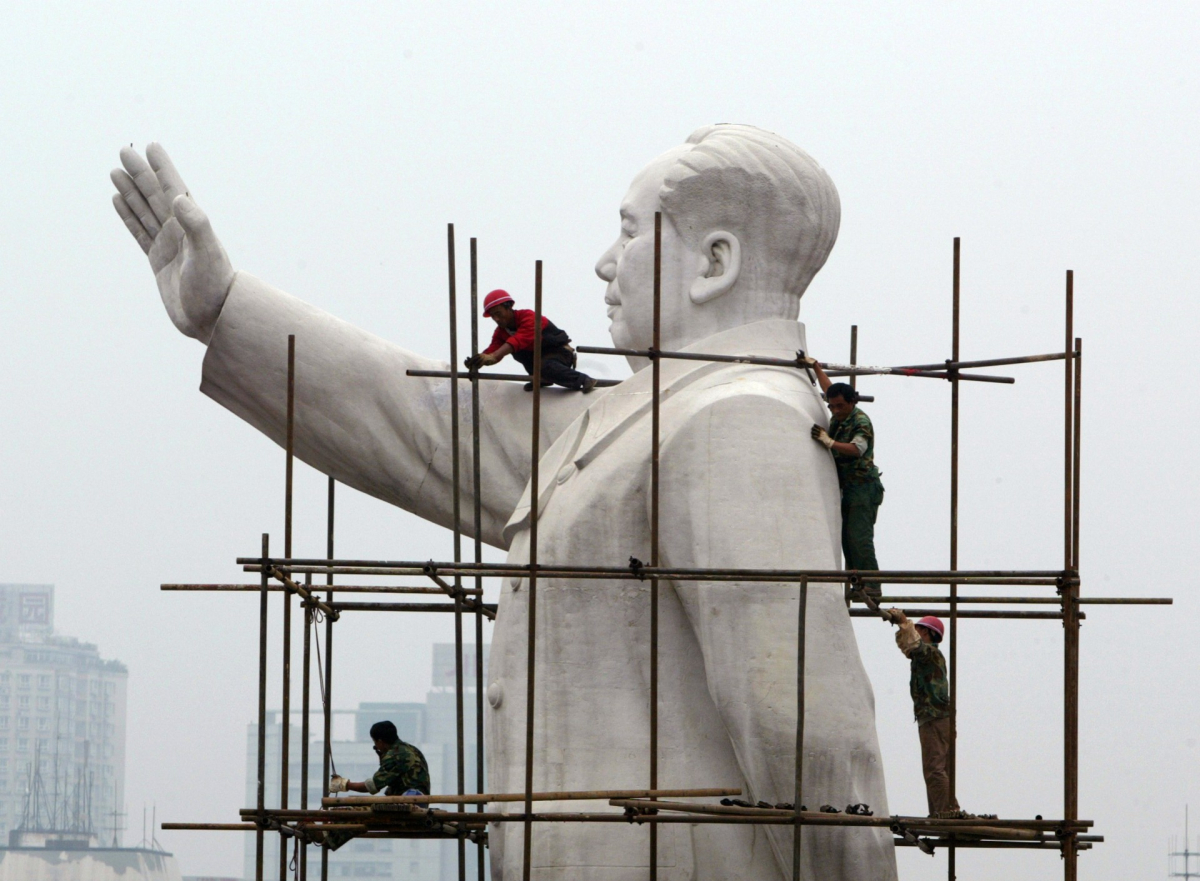
The problem with Chinamaxxing, and its gushing excitement for basic aspects of Chinese culture as if freshly discovered by Marco Polo, is that the trend approaches China out of a vacuum. Without historical, linguistic, cultural and political context — the kind which social media and vertical shorts tend to preclude — it is easy to turn a storied and complicated country into a series of hot takes and quick wows. That’s why we like books at China Books Review, unsurprisingly: for the deeper dives and more nuanced reflections which slowly build up understanding. China is a steep learning curve, a series of false horizons, a bottomless well. The books in this column might not be as current or topical as the infinite-scrolling algorithm, but for a subject that merits cumulative knowledge, they’re worth the extra time.
In this round-up (curated from our intimidatingly comprehensive list of all recent China books) there is much for a student to sink their teeth into. A forgotten history of the 19th century Camphor War reveals how Qing-era Taiwan became the battleground for a new trade order. An educational travelogue preaches the gospel of the Tang dynasty. An analysis of Beijing’s global strategy finds the seeds of a sino-centric world order. A study of China’s economy paints a grim picture. And a readable history of Shanghai captures the megacity in its multitudes.
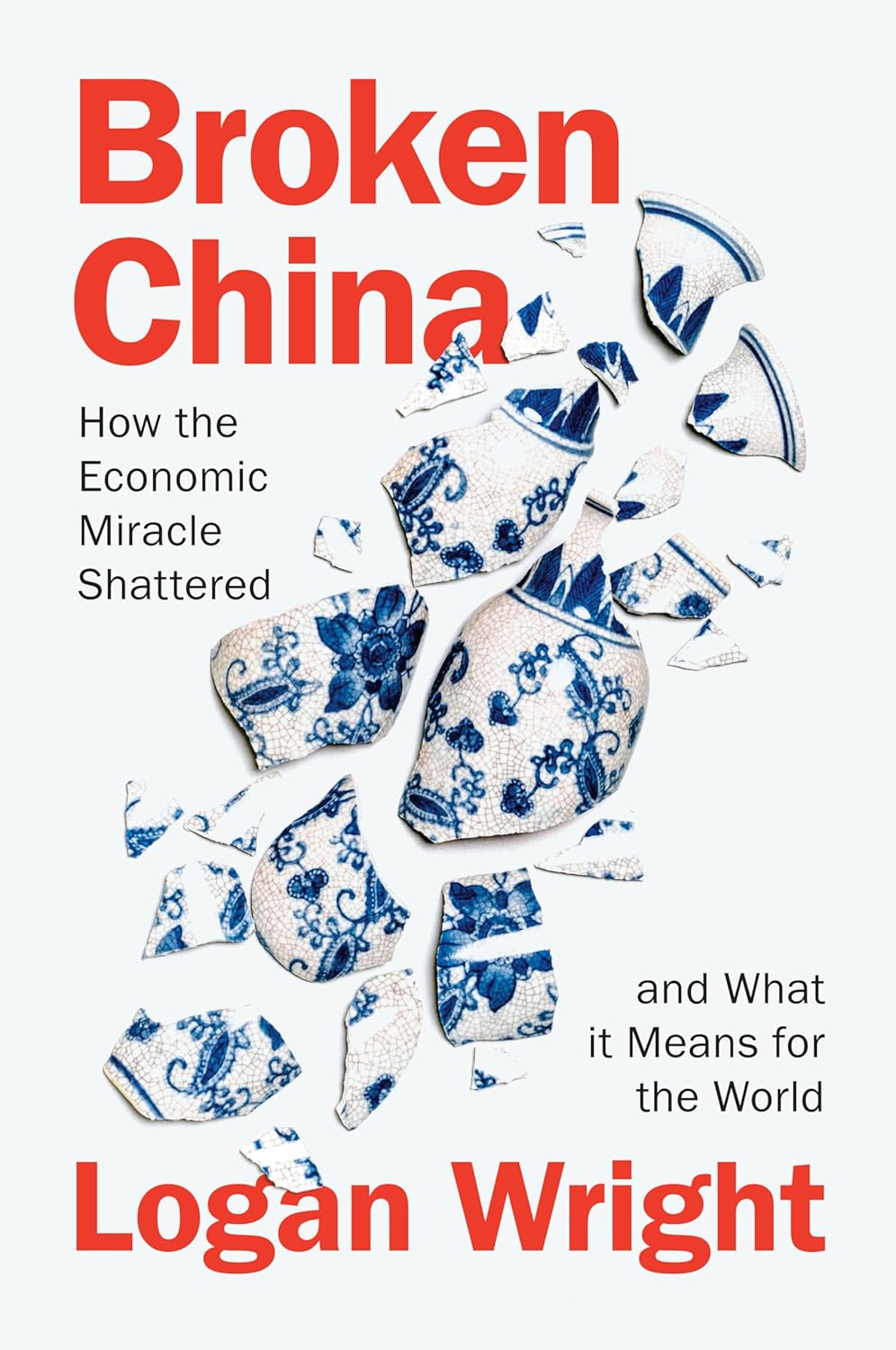
Broken China
How the Economic Miracle Shattered and What it Means for the World
Ride in a luxury electric vehicle that retails for less than a Camry, or use a state-of-the-art AI model, and you might not believe that China’s economy is broken. But it is, contends economist Logan Wright, partner at the research group Rhodium, in Broken China. The orthodox economics of his reasoning — bad debt slows growth; erratic regulation discourages lending; taxes shape market incentives — leads him to that heterodox conclusion, but he’s less bombastic than the title might suggest. The Chinese economy is not on the brink of collapse, nor even crisis; what is “broken” are Beijing’s levers of control, he holds. China’s economic policymakers are in bondage, tied down by debt left over from the credit expansion of the late-2000s. They face a choice: muddle along with diminishing credit or engage in painful reforms to lift consumption at the expense of infrastructure investment. China evidently does not buy his conclusion: the day after the book was published, the People’s Bank of China announced cheaper loans for a new $3.7 trillion infrastructure package.
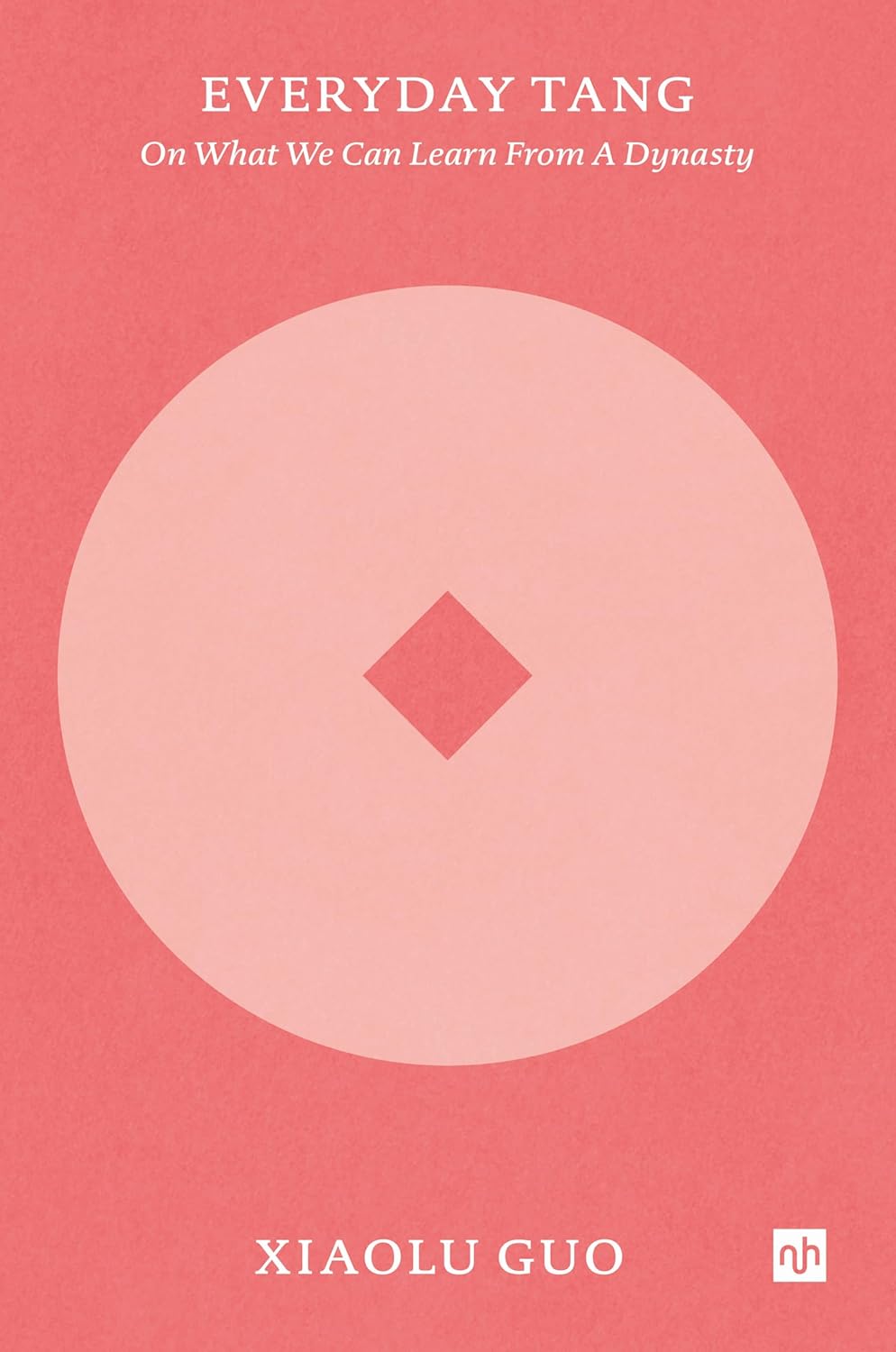
Everyday Tang
On What We Can Learn From a Dynasty
Xiaolu Guo is best known for her irreverent memoirs and novels, so it may surprise readers that her latest book is a short “historical reflection” on the Tang dynasty. The conceit is hung on a 2024 journey that Guo made across China with her daughter, beginning in the Tang capital of Xi’an. In a string of reflective vignettes, we get a mix of history lessons (the making of the Grand Canal), cultural tidbits (the “crazy-ass-script” of calligrapher Zhang Xu) and contemporary impressions (the ubiquity of high-speed rail), woven into an encomium to the Tang as the apex of cosmopolitan wordliness (as “contrasts very sharply with the image of a self-enclosed, inward-looking China, one that the West has long liked to promote”). The last chapter, in which Guo vaguely argues that “the purpose of trying to discover the spirit of the Tang is to enable us to live everyday life in an enlightened state,” falls a touch flat — but the journey there is enriching.
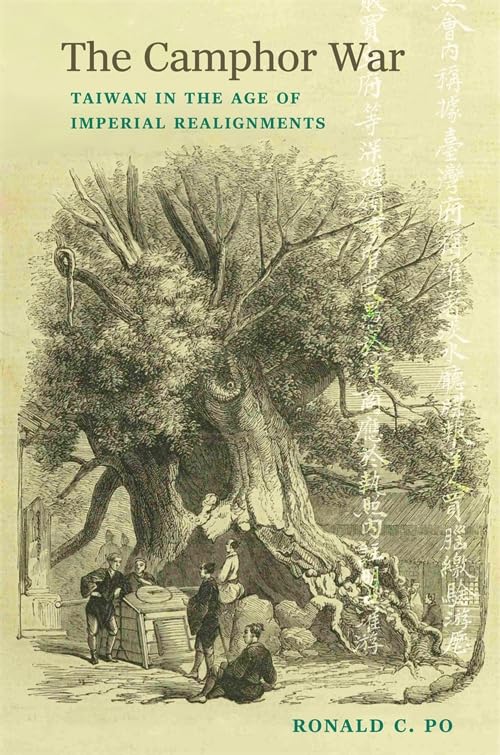
The Camphor War
Taiwan in the Age of Imperial Realignments
In 1868, less than a decade after the end of the Second Opium War, another conflict broke out between Britain and China. This clash was not about tea or opium but over camphor, an oil or resin used in medicine, cultivated in Taiwan, then part of the Qing empire. In The Camphor War, historian Ronald C. Po narrates British efforts to break the Qing monopoly on Taiwan’s camphor trade. The military confrontation lasted just a few weeks, yet Po demonstrates how this forgotten “war” was consequential both for the Qing (then early in its Self-Strengthening Movement, trying to regulate global commerce and defend against foreign pressure) and for the island of Taiwan (which was governed by the Qing but the nexus of a shifting regional power structure). Following camphor from Taiwan’s forests into international markets, this gripping read connects commodity history with imperial competition, showing how control of a single natural resource bled into deeper questions of national sovereignty.
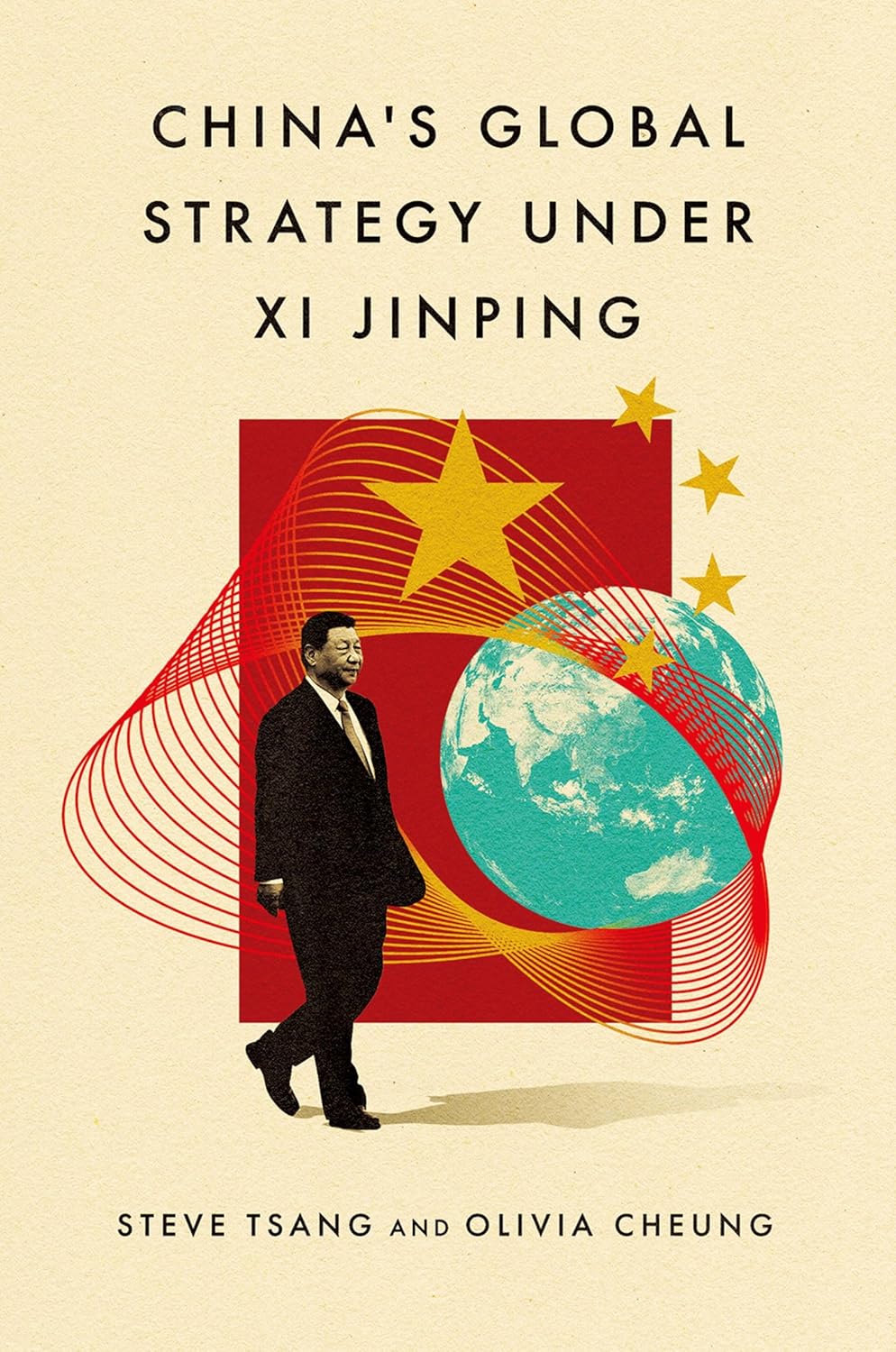
China’s Global Strategy under Xi Jinping
Xi Jinping pledged to achieve “the China Dream of national rejuvenation” by 2050. But what exactly is that Dream, and how would it be achieved? In their new book, scholars Steve Tsang and Olivia Cheung — previously co-authors of The Political Thought of Xi Jinping, as reviewed in these pages — argue that China seeks to assertively reshape the international order in its own image. They analyse how Xi’s “Sino-centric party-state realism” has replaced Deng Xiaoping’s market pragmatism, in an attempt to “forge the common destiny for humankind” (Xi’s own words). This ambition relies on a “double pivot”: engaging the Global South through the Belt and Road and other initiatives, as well as reforming the UN and other global institutions from within; and preparing to re-integrate Taiwan by 2050, showcasing Chinese pre-eminence and undermining American hegemony. The book is dense, with footnotes almost every other sentence, but makes a compelling argument at a moment when understanding Beijing’s intentions, capabilities and long‑term strategy is more urgent than ever.
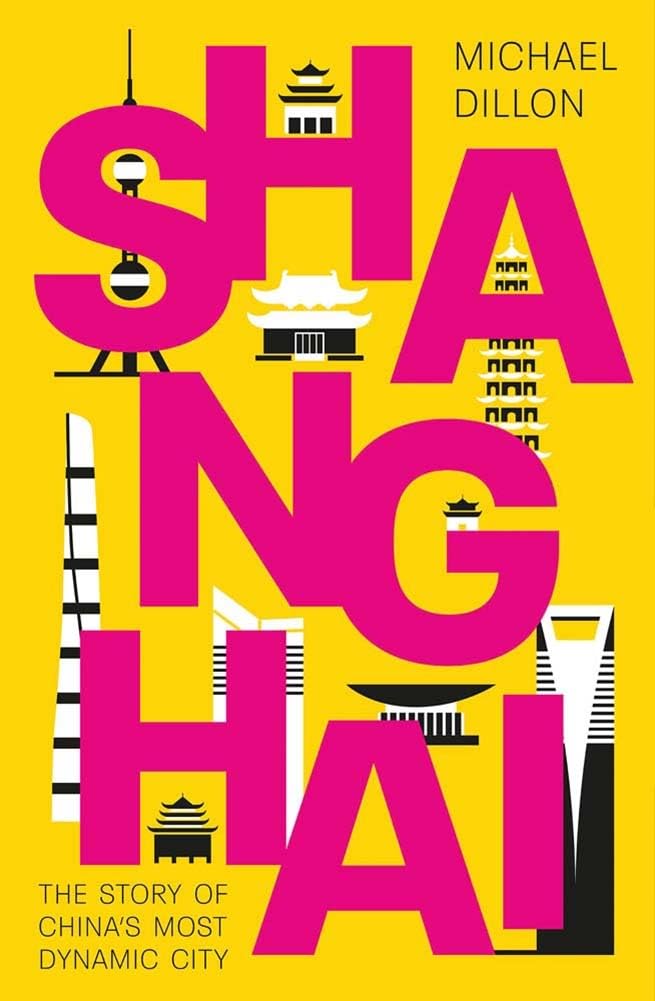
Shanghai
The Story of China’s Most Dynamic City
This single-volume history of Shanghai from Neolithic fishing village to megacity does the “enchanted metropolis” justice. Michael Dillon, a historian at King’s College London, details Shanghai’s many lives with an eye toward the high politics of each era and the lived experience of those who survived them, from dynastial intrigue to Covid lockdowns. Highlights include his careful attention to the photographer Xue Baoqi’s shots of daily life, and a remarkably detailed history of how the Cultural Revolution, and Tiananmen protests, played out in Shanghai. The brisk coverage of the 1980s and onwards might leave a visitor to the city scratching their head: how did Shanghai transform from Red hotbed to today’s city of chic youth draped across lawn chairs outside boutique cocktail bars? (To fill that gap, watch Blossoms Shanghai, a Wong Kar-wai-directed series dramatizing the 1990s.) This readable history takes after the city it chronicles: intellectually curious, dynamic, accessible and just a bit bewildering. ∎