Sign up for our newsletter to be notified of new posts!
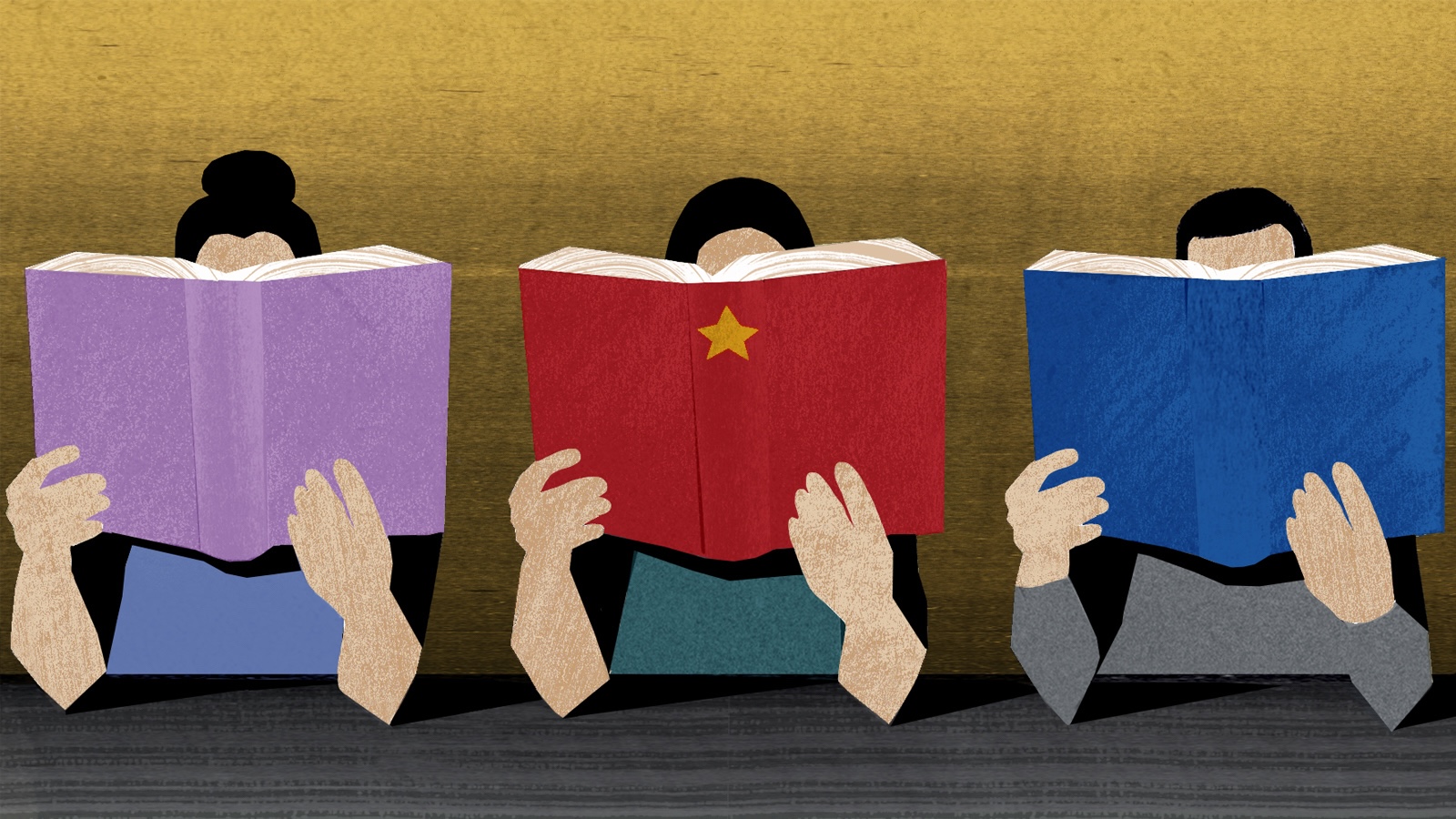
Like judging new music by reading tweets about it, following new books about China can give a good feel for the scene, but falls short of understanding it. Reading one of those books is listening to an album — a snapshot of second hand experience that can still change your perspective forever. The best way to hear the music is, of course, to see the full show live.
Yet there is much to glean through the second hand. As armchair travelers at China Books Review (though both editors did visit China this year), we can observe a few trends in the shifting landscape of what’s being published about, and in, China and the Sinophone world. First: more books are coming out than ever; we counted 655 English-language books on or from greater China this year, up from 567 last year (though we may just be getting better at finding them). Second: fewer of those books are reported works and memoirs from on the ground, and more are academic or policy titles (with a steady sprinkle of translated fiction, up on last year). Third: there’s been a shift in what China books sell the best. The top spots in our bestseller list used to be occupied by conspiracy theories and Cold War Redux warnings; now there are more tech profiles and mixed portrayals of China proving sticky in the top five.
Does this show a change of analysis or perspective? Ultimately, any trendlines are buried in the diversity of the field. The range of genres and topics, and sheer weight of the shelf, can be overwhelming — which is where we come in. We canvassed a roster of writers and scholars on China to tell us their favorite books from this year, as well as adding some of our own and taking nominations for our book prize into account. All to come up with the below lists of 10 nonfiction titles and 10 works of literature (in no particular) that we think you should read, with recommendations written by experts in the field.
From a doorstopper Party biography to a dystopian graphic novel, these books run the gamut. We hope you run it with us, and find something in the list that sings to you.
— Alec Ash, Editor
Nonfiction
I Deliver Parcels in Beijing
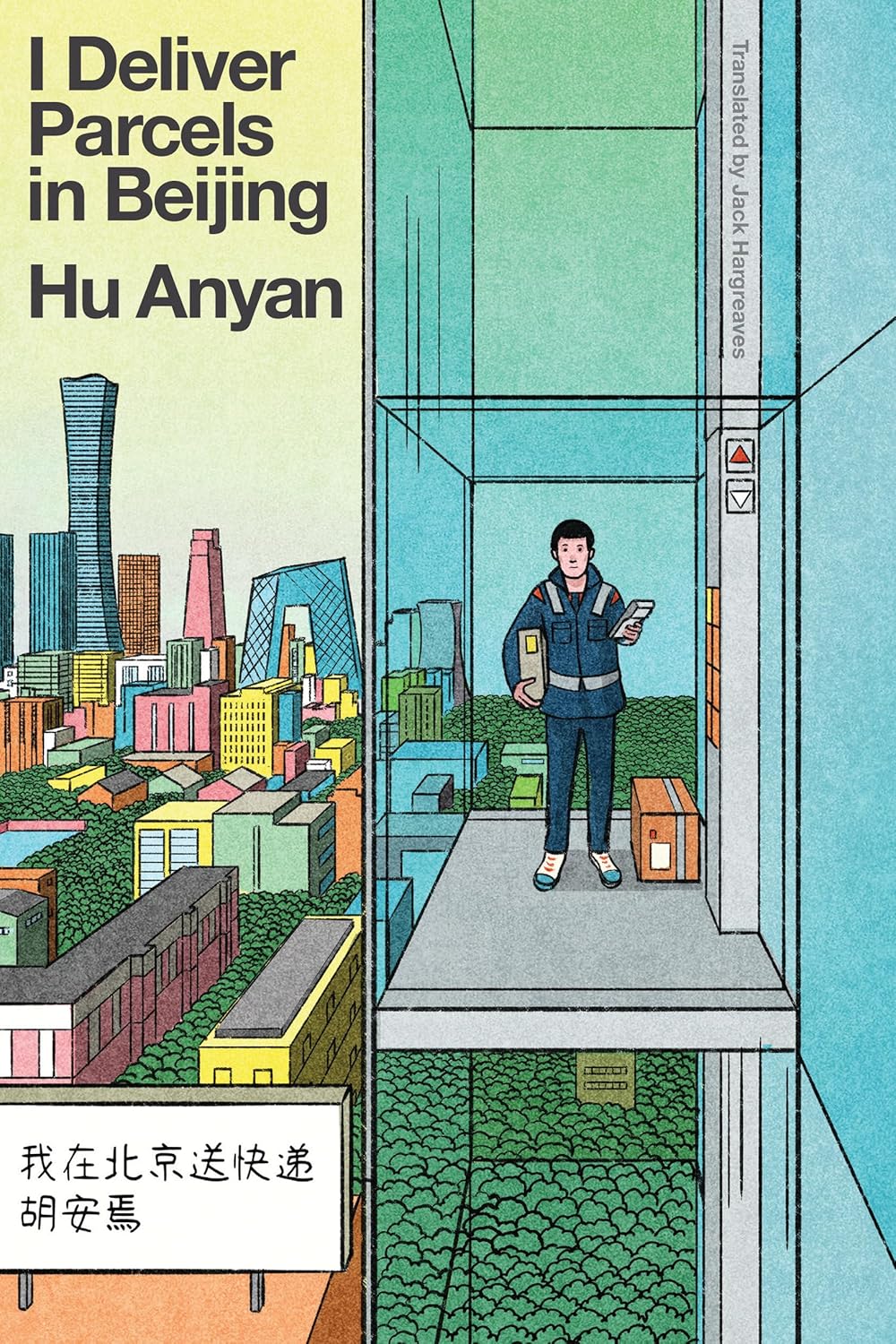
Every now and then, an author deserving of a place in the public consciousness finds their way into print, and the simple fact of their beating the odds to be published is worthy of celebration. A Down and Out in Paris and London of China today (albeit one not written by an Old Etonian cosplaying the working poor), Hu Anyan’s breakout non-fiction book I Deliver Parcels in Beijing charts his years laboring in the country’s gig economy at the coalface of door-to-door deliveries, logistics centers and 24-hour convenience stores in the capital and beyond. Narrated with wry humor and a palpable lack of self pity, Hu’s tales from the overlooked and overworked underclass that is the grist for China’s mill is ably translated into English by Jack Hargreaves, and lifts the lid on the realities of the country’s “floating population” as they strive to make lives for themselves.
— Jo Lusby, literary agent and IP consultant based in Hong Kong.
Join our next book club to discuss this title.
The Broken China Dream
How Economic Reform Revived Totalitarianism
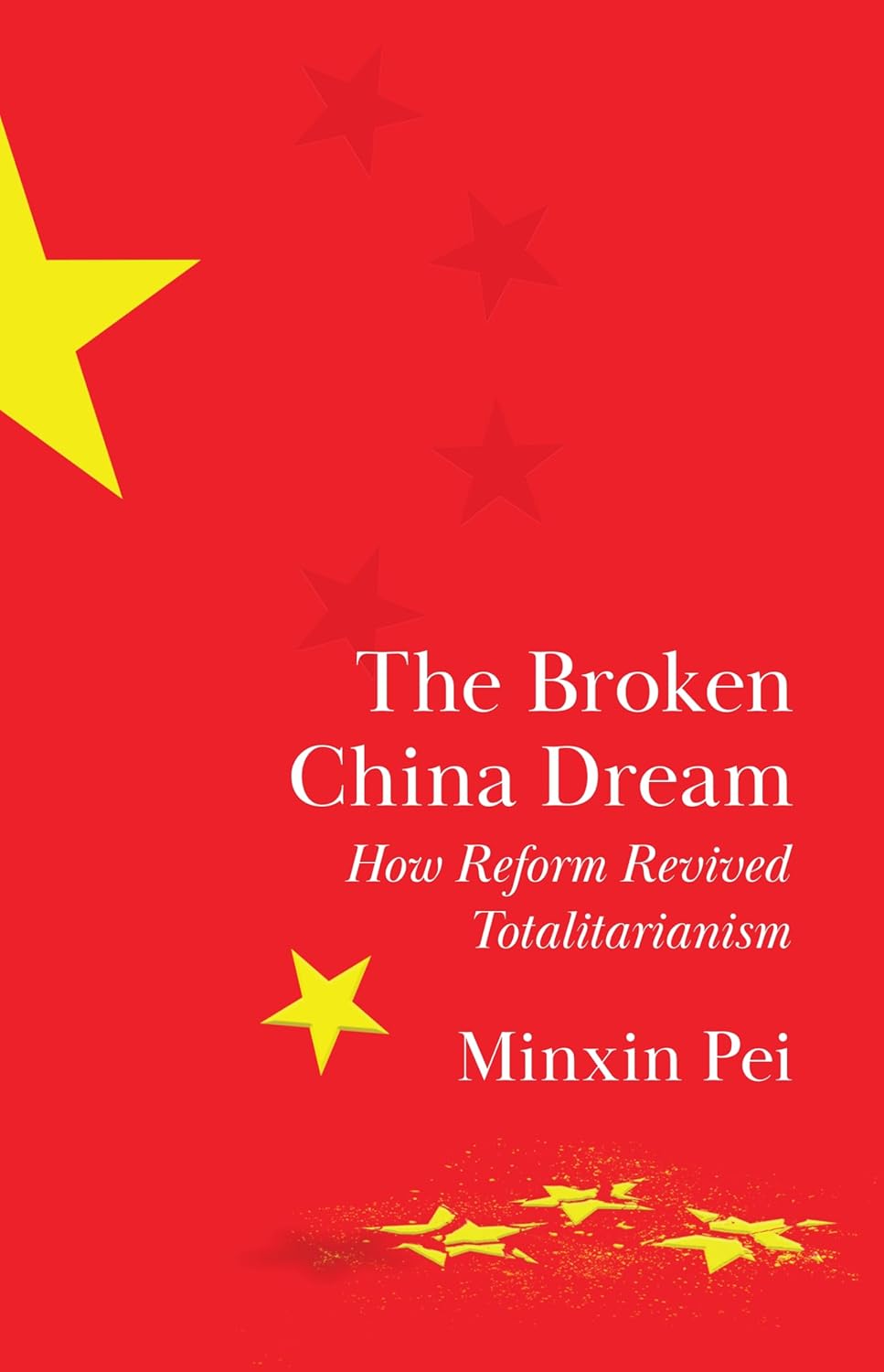
Minxin Pei’s The Broken China Dream offers a sobering reinterpretation of China’s post-1979 modernization. Pei argues that China’s economic opening, instead of leading to political liberalization, preserved and ultimately strengthened the Communist Party’s authoritarian core. Drawing on decades of scholarship, he argues that the reforms of Deng Xiaoping and the neoliberal era laid the structural groundwork that allowed Xi Jinping to reassert a form of neo-totalitarian rule, combining personal power with mass surveillance and ideological control. Pei’s long historical arc cuts through reactive analyses of Xi’s decade in power, showing how Beijing’s earlier policy choices limited prospects for openness and made Xi’s authoritarian consolidation possible. While Pei’s framing is very deterministic, the deep context he gives makes clear why many analysts were blindsided by China’s political reversal. Essential reading for anyone seeking to understand the paradox of how reform fueled repression in today’s China.
— Jude Blanchette, inaugural director of the RAND China Research Center.
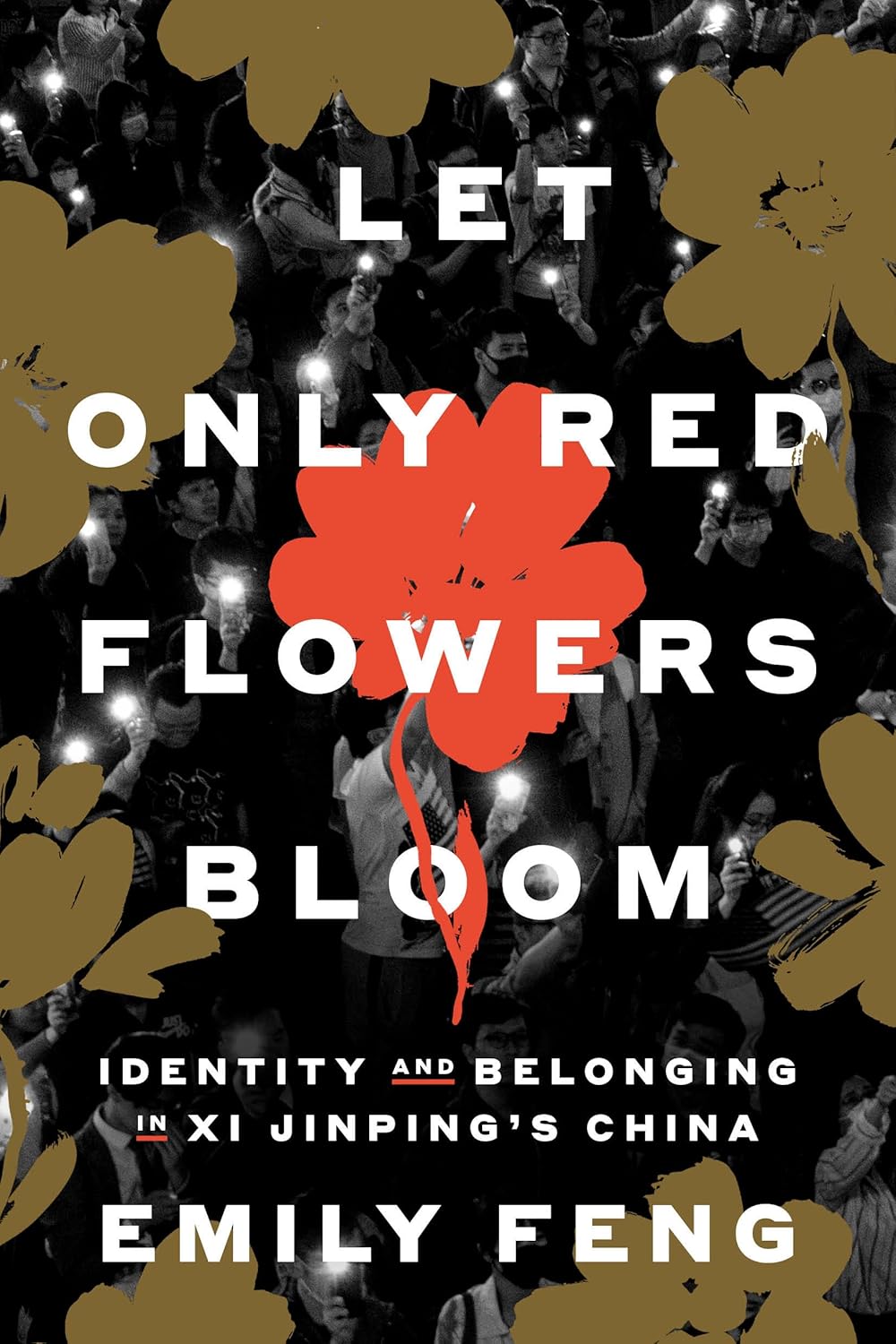
Let Only Red Flowers Bloom
Identity and Belonging in Xi Jinping’s China
Let Only Red Flowers Bloom introduces readers to a broad range of people many might not think of as typically Chinese. By exploring its diversity, Emily Feng enriches our understanding of the People’s Republic in ways often neglected by the usual political coverage. Xi Jinping’s China may want only red flowers — but Western images of China, too, are often monochrome and monolithic. This book also serves as a history of key social, cultural and political figures and events that captivated Chinese conversations over the past decade. There is a common thief who became a viral influencer; idealistic lawyers standing up to the Party goliath to defend human rights against all odds; and the trafficked woman chained in a basement who horrified the Chinese internet. My students in classes on Chinese and world history have enjoyed and benefited from this timely volume.
— James Millward, professor at Georgetown University, author of Eurasian Crossroads (2021).
Read our excerpt and watch the book talk.
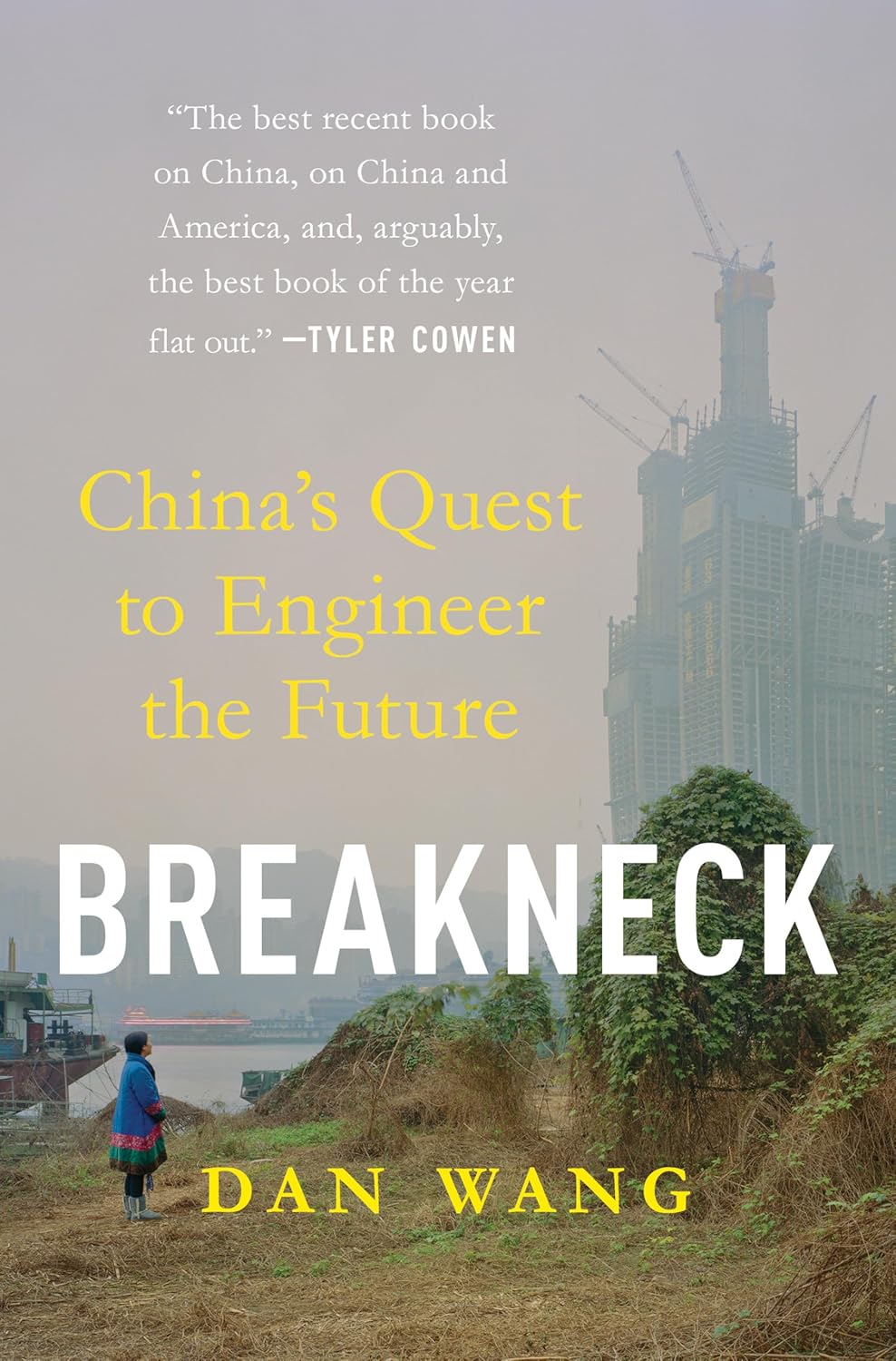
Breakneck
China’s Quest to Engineer the Future
China is an engineering state, rushing forth to build new infrastructure and shape society at every level. Meanwhile, America is a lawyerly society, deliberative and slow — for better or worse. This is the thesis of Dan Wang’s Breakneck, which offers a powerful new lens for making sense of these two idiosyncratic superpowers. From bike rides across the bridges of Guizhou to the dark depths of the Shanghai Covid lockdowns, Wang takes the reader on an eye-opening personal journey through the engineering state and what its actions mean for regular Chinese citizens. Practically every sentence sparkles with humor and insight, deserving the book its spot at the top of China Books Review’s monthly list of bestselling China books.
— Kyle Chan, China analyst at the Brookings Institution focused on Chinese tech and industrial policy.
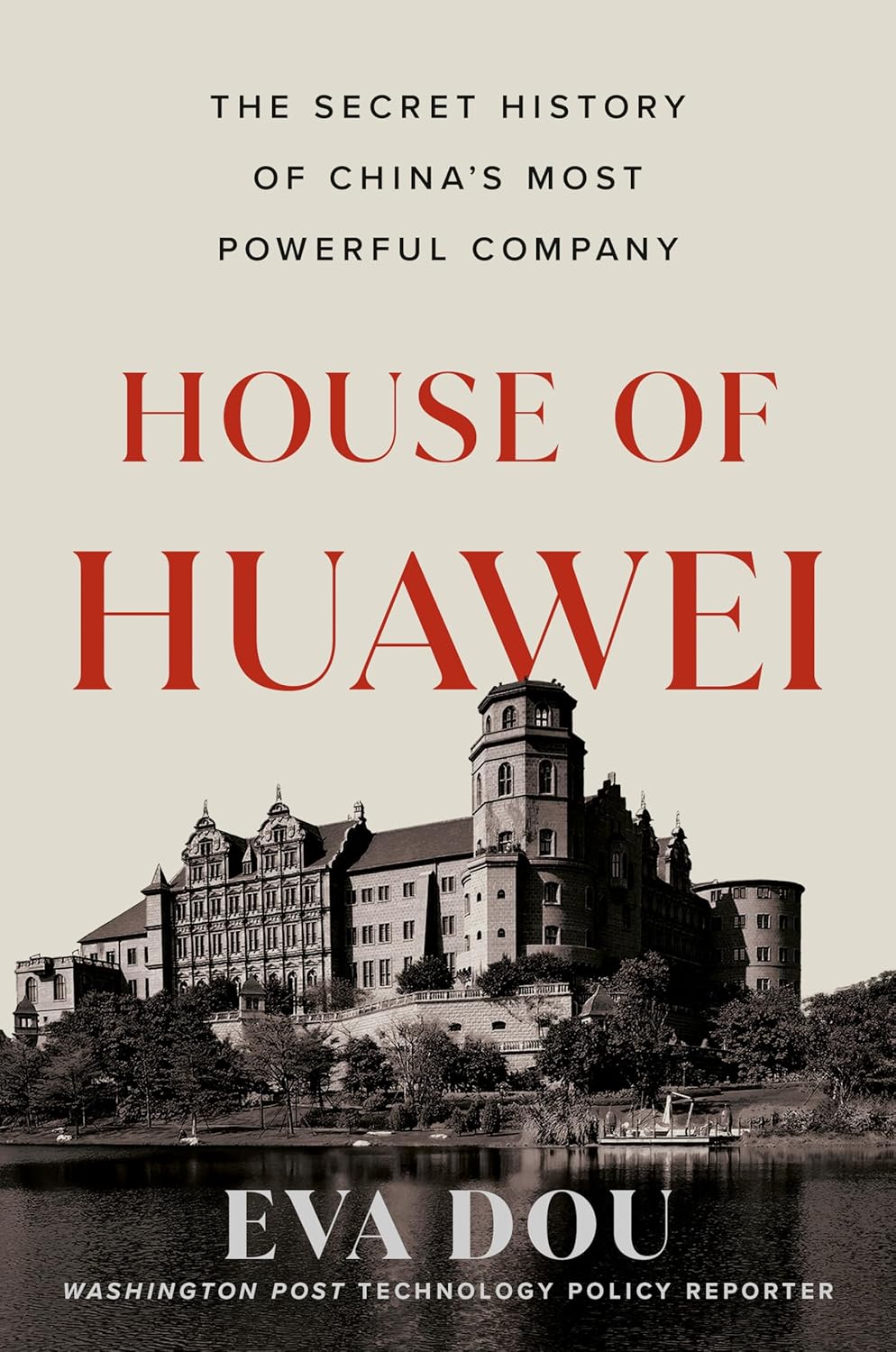
House of Huawei
The Secret History of China’s Most Powerful Company
In the West, China too often remains pure abstraction: a red flag, a keyword, a geopolitical cipher. The idea of understanding its history and economics through a single corporation sounds almost too American. Yet, Apple is America in essential ways, as is Google. Eva Dou’s book attempts something equally audacious: to show how Huawei, in crucial respects, is China. Through rigorous and formidable reporting, Dou transforms an opaque telecom giant into a story with humanistic contours and narrative complexity. What emerges is one of earth’s largest and most internationalized organizations. Both cosmopolitan and profoundly Chinese, Huawei absorbed IBM’s management playbooks wholesale while speaking the language of Maoist self-reliance. For anyone seeking to understand how Chinese tech actually operates beyond the geopolitical static, this book offers a rare corrective: it neither romanticizes nor demonizes. It simply sees clearly, and that clarity is radical.
— Afra Wang, author of Concurrent, a newsletter on tech and culture in Silicon Valley and China.
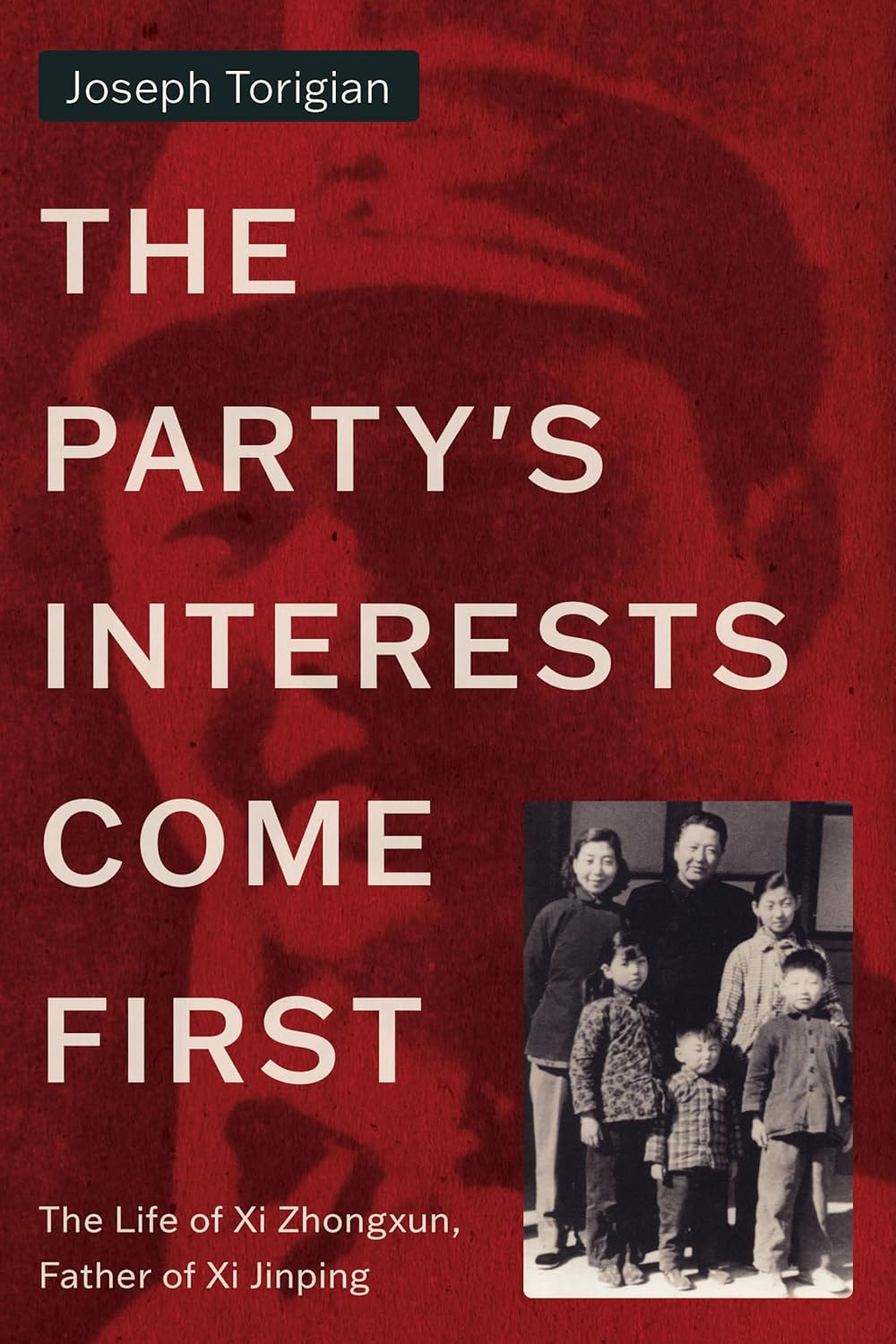
The Party’s Interests Come First
The Life of Xi Zhongxun, Father of Xi Jinping
What are the challenges and dilemmas faced by a senior leader of a revolutionary party which transformed into the ruling regime? This book is a meticulously researched and remarkably readable biography of Xi Zhongxun, the father of Xi Jinping. Using a rich mix of documents and interview sources, it takes us from the early years of Xi senior, and his motivation in joining the Party in the late 1920s, through to the turmoils of the late 1980s. Xi had to simultaneously carry out the Party’s arduous tasks of expanding its rule over a highly fragmented China and also survive various political campaigns and purges, which took an extremely heavy toll on him and his family. Because the Party had evolved into a pitiless machine for revolutionary struggle, when one puts their demands before all else — as Torigian’s masterful rendition of Xi’s life shows — the personal price can be very high.
— Victor Shih, Director of the 21st Century China Center, professor at University of California, San Diego.
Read Rana Mitter’s review and watch the book talk.
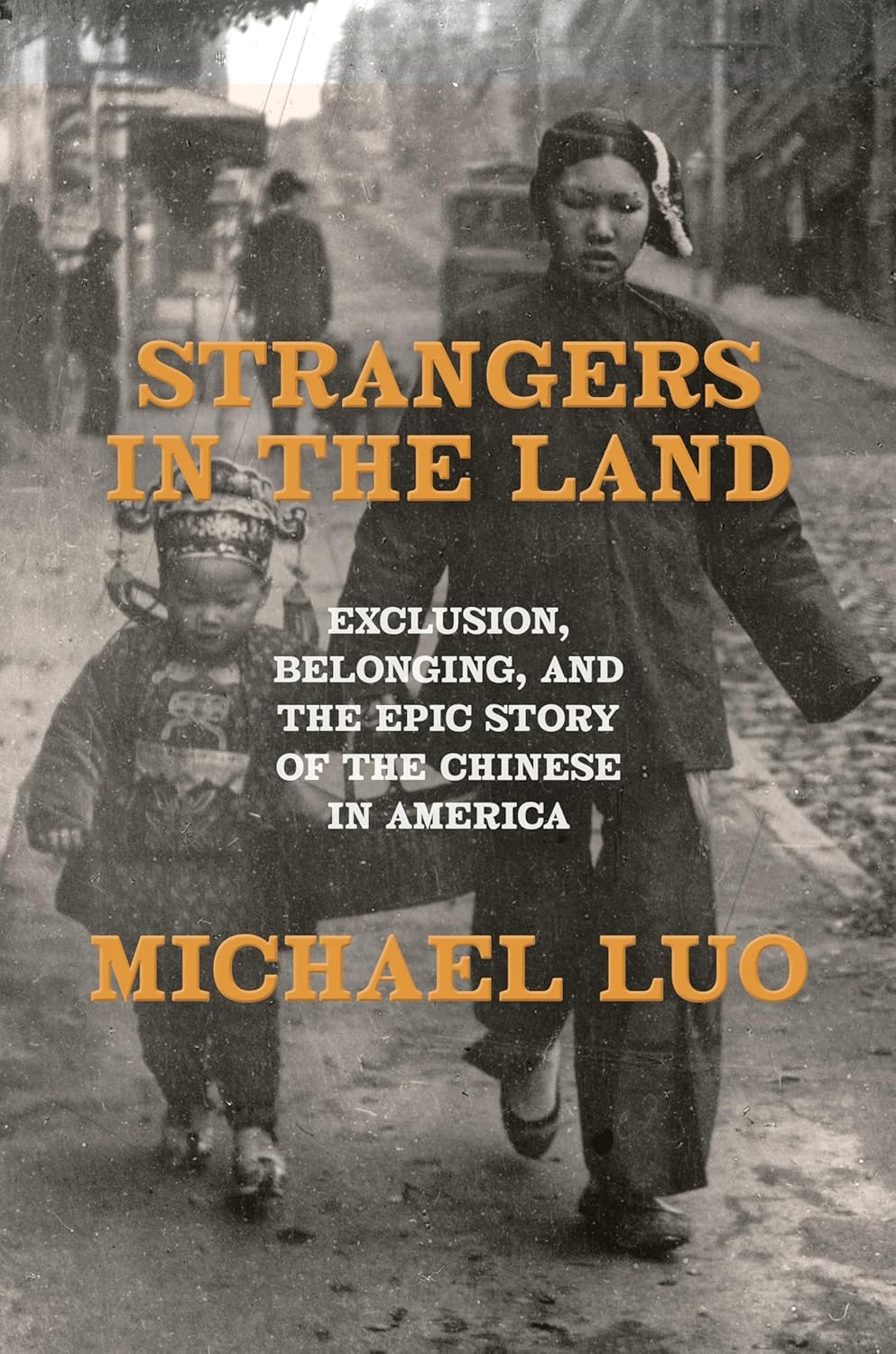
Strangers in the Land
Exclusion, Belonging, and the Epic Story of the Chinese in America
The story of the Chinese in America has been told before, but this history — written by New Yorker editor Michael Luo — does so with aplomb and verve. Beginning with the discovery of gold in California in 1848, Luo narrates the influx of Chinese laborers who came to mine gold and help build the transcontinental railroad, trying to build new lives in a country that didn’t always welcome them — and that eventually barred them from entry with the Chinese Exclusion of Act of 1882, only lifted as late as 1965. Through individual stories he puts flesh on the bones of this history, combining assiduous research with compelling prose to complicate our understanding of Chinese migration to America over the last century and a half. The hardest parts of the book to read detail horrific prejudice, persecution and violence that they endured — and still do, in different ways.
— Alec Ash, Editor of China Books Review, author of The Mountains Are High (2024).
Listen to or watch our podcast with Michael Luo.
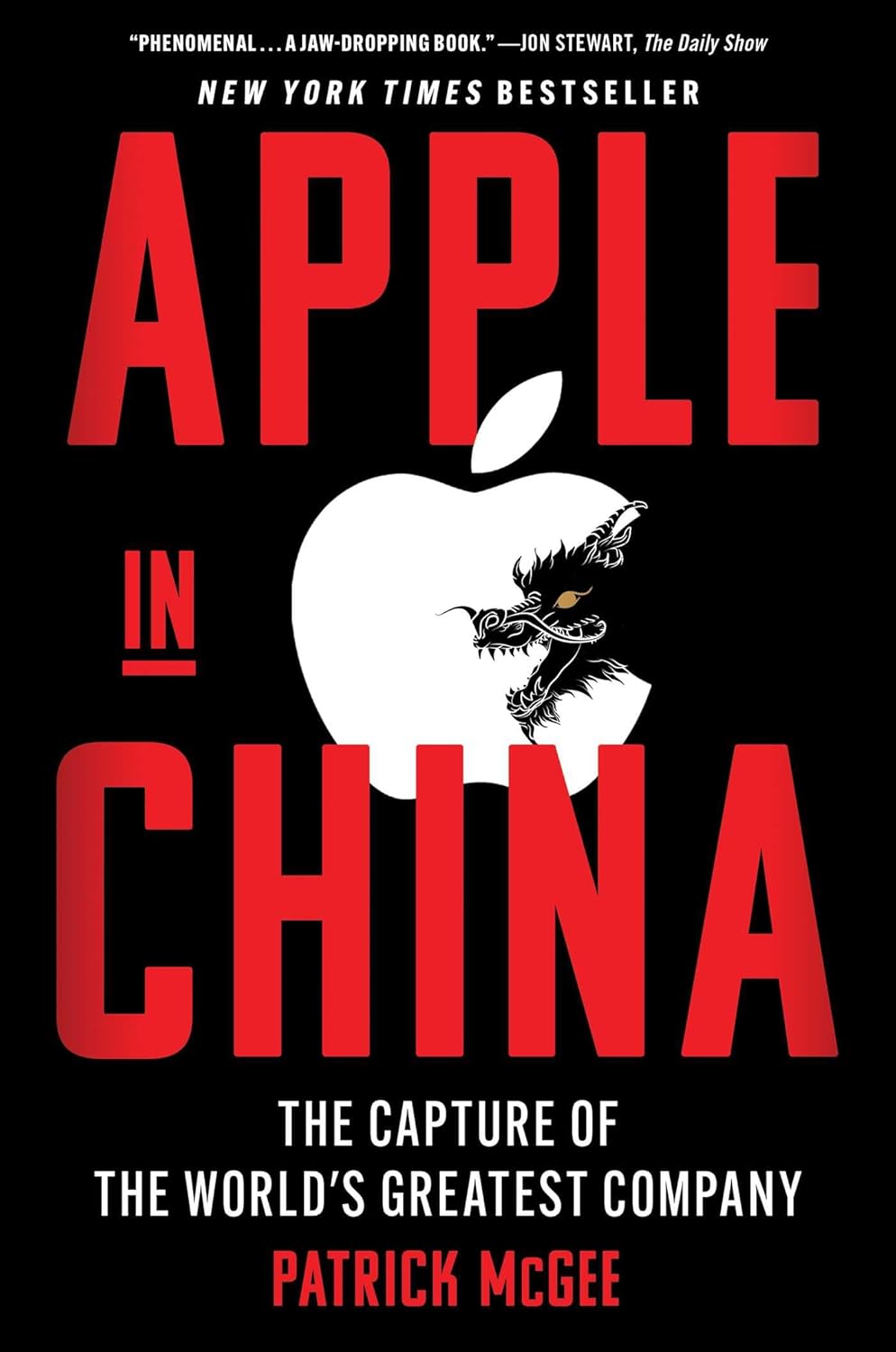
Apple in China
The Capture of the World’s Greatest Company
This is the best China business book I have read in years. It is a deeply researched and mesmerizing tale of how Apple and China were the perfect matchup at a remarkable moment in time. Each had what the other needed. China provided government support and strategic focus as well as legions of ambitious, talented and hungry engineers, scientists, entrepreneurs and factory workers. Apple supplied the breakthrough product designs, gushing profits, and an insatiable need for enormous production scale and lightning-fast, cutting-edge manufacturing innovation. The result today? Apple’s great success and China’s global tech manufacturing prowess. Considering our current poisonous geopolitics, the reader can ponder who got the best of whom. Or if that is even the right question to ask.
—James McGregor, author of One Billion Customers (2005).
Read our excerpt and watch the book talk.
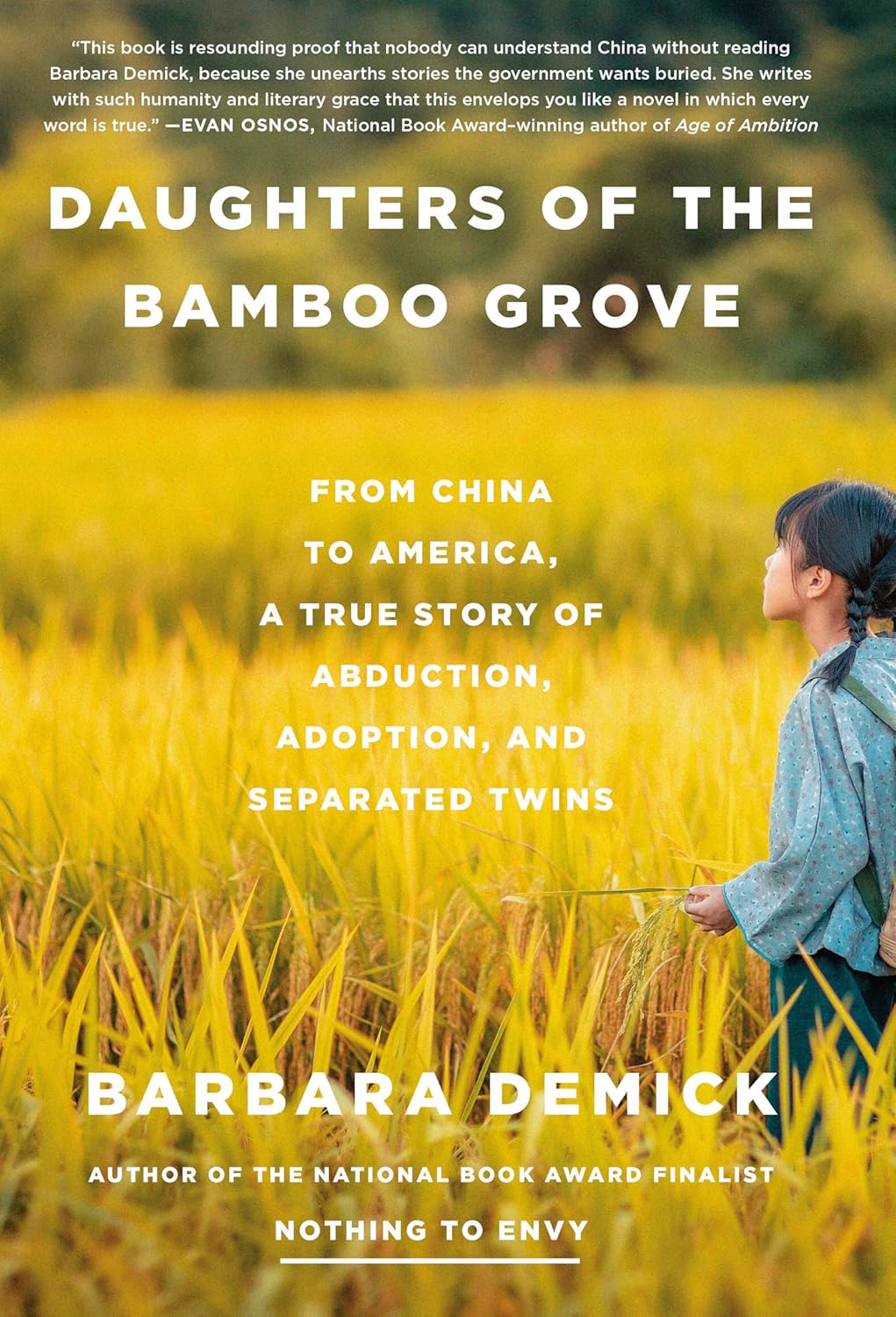
Daughters of the Bamboo Grove
From China to America, a True Story of Abduction, Adoption, and Separated Twins
Through meticulous research and tireless reporting, Barbara Demick presents a devastating portrait of China’s one-child policy and its legacy in Daughters of the Bamboo Grove. The book follows the story of Shuangjie and Esther (born Fangfang), identical twins who were forcibly separated under China’s draconian family planning laws. One remained in China and the other was adopted by a devout Christian family in rural Texas. Although the twins are ultimately reunited thanks to a combination of social media, DNA testing and Demick’s own unflagging investigation, the reunion is not the heartfelt moment one might expect. This is a damning and at times heart-wrenching saga, as well as a testament to how family and culture can shape the lives of two sisters in surprisingly disparate ways.
— Emily Baum, Professor of modern Chinese history at UC Irvine.
Read our excerpt and watch the book talk.
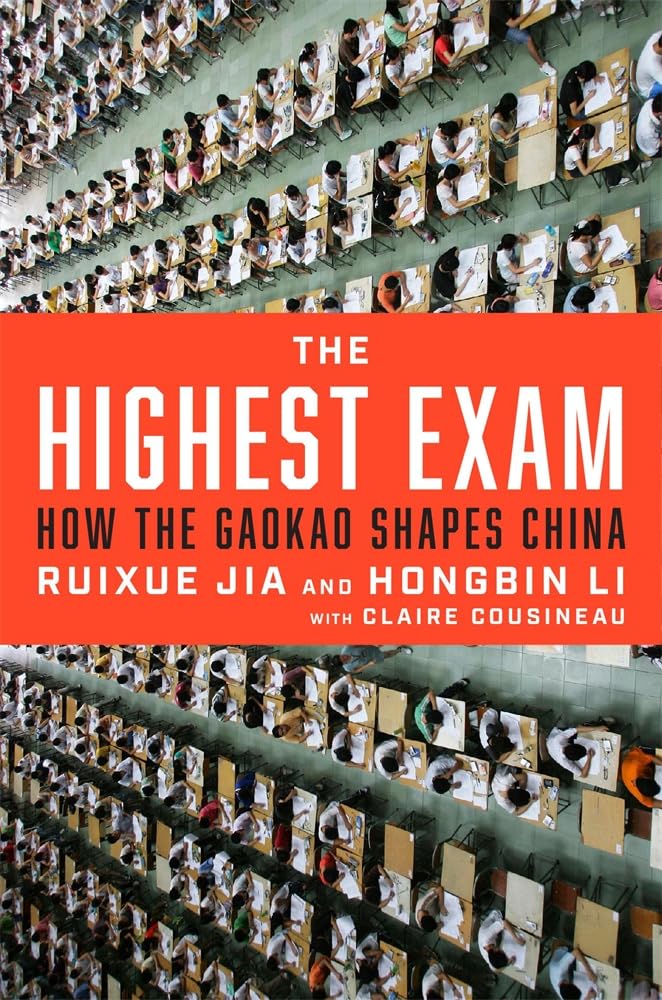
The Highest Exam
How the Gaokao Shapes China
The Highest Exam by Ruixue Jia, Hongbin Li and Claire Cousineau is that rare academic book that is insightful, important and readable. The authors depict China’s education system as a “centralized hierarchical tournament.” They argue that the immense resources families devote to test prep — often beginning before first grade — are a rational response to a system where the gaokao, China’s college entrance exam, represents the primary path to improving one’s social and professional prospects. The book illustrates how this mechanism serves the Chinese Communist Party while simultaneously reinforcing a belief in meritocracy that obscures and distracts from socioeconomic inequalities. In the final section of the book, the authors discuss how some members of the Chinese diaspora have brought their experiences with them to America and are influencing local public school systems, in a positive way.
— Bill Bishop, founder of Sinocism, a daily newsletter of China analysis, commentary and curated links.
Read Hongbin Li’s Q&A.
Literature
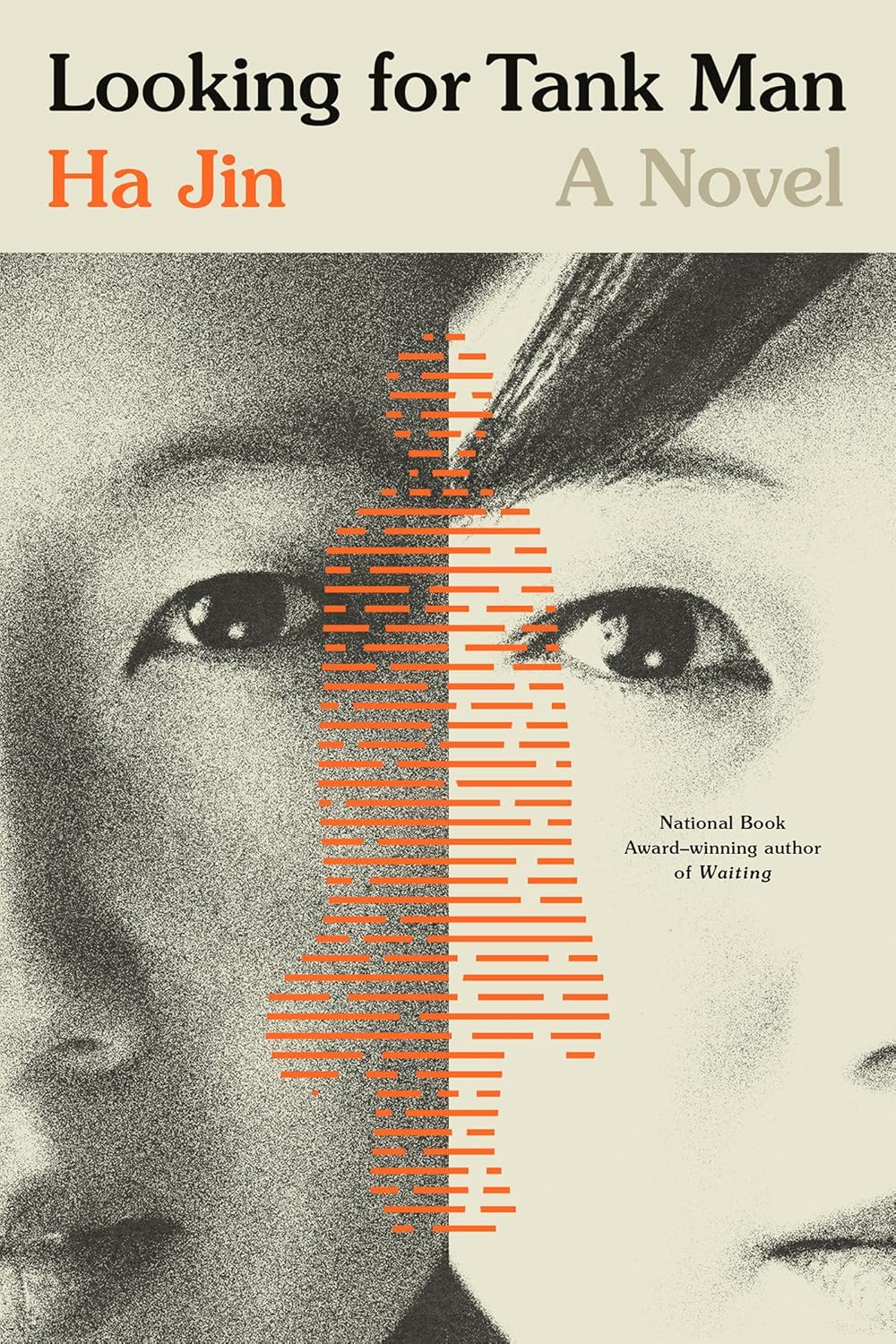
Looking for Tank Man
A Novel
This novel begins with an unassuming premise — a Chinese student goes to college in the U.S. — and unfolds to confront one of the most tragic and consequential chapters in modern Chinese history. For many Chinese people my age or younger, who did not experience the events of 1989 firsthand, finding out the truth about the bloody crackdown on democracy protestors at Tiananmen Square marks a moment of political awakening. We are all children of Tiananmen. I saw flickers of myself and people I know through Ha Jin’s characters. Composed with intimate knowledge of both Chinese politics and American campus life, the book accomplishes something rare: conveying moral clarity without rendering judgement. Unlike the legendary figure of its title, Looking for Tank Man tells a story without heroes, only people acting out of love, conviction and circumstance. The question is not who “tank man” was or where one might find him, but who needs him and why.
— Yangyang Cheng, Research Scholar and Fellow at Yale Law School’s Paul Tsai China Center.
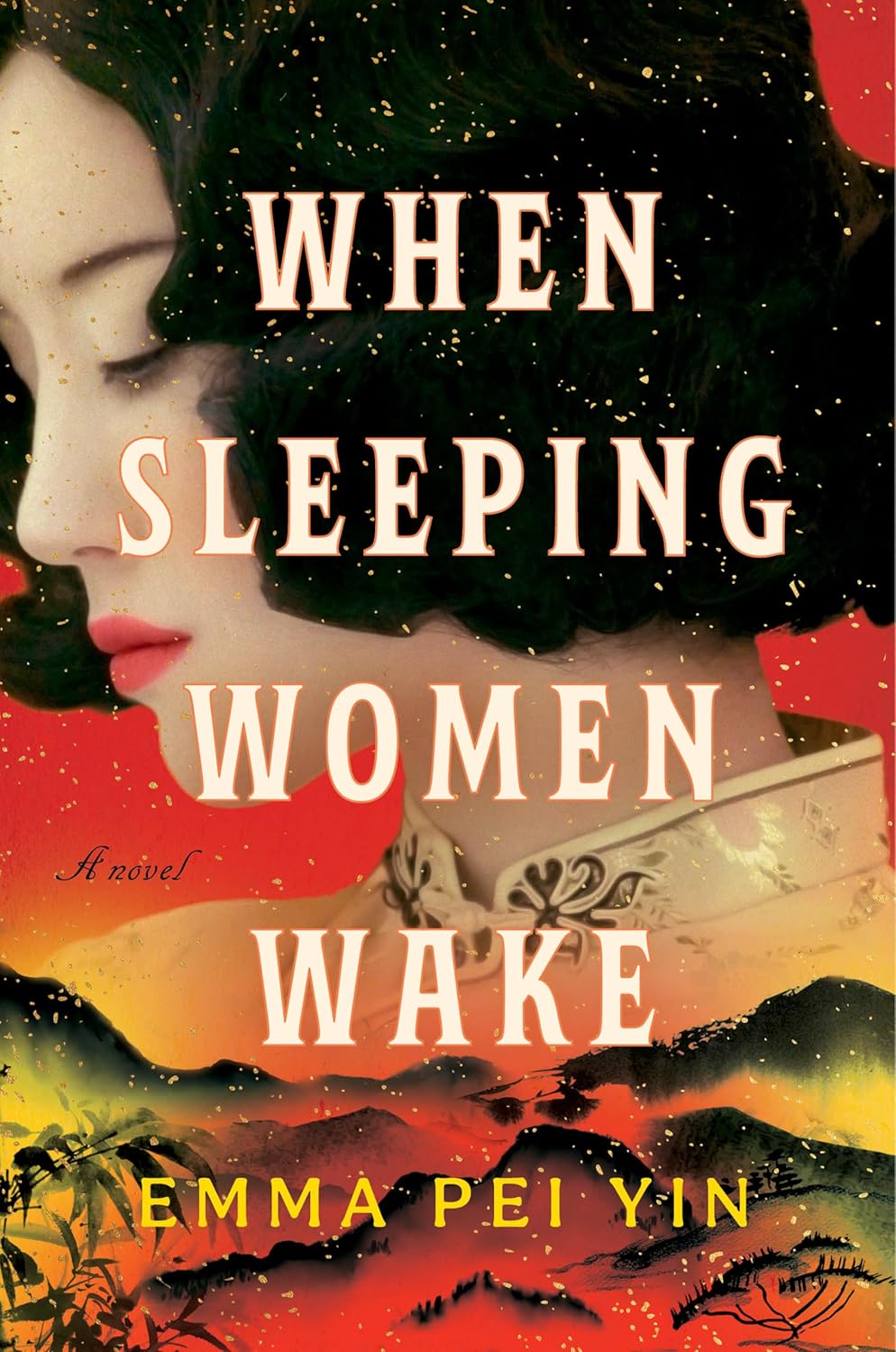
When Sleeping Women Wake
Emma Pei Yin’s super-impressive debut novel When Sleeping Women Wake evokes a Hong Kong occupied by Japanese forces in December 1941. A stranded Shanghainese family are forced to make choices between resistance and collaboration at a time when being passive was not an option. Pei Yin conjures up multiple worlds: the wealthy comfort of pre-war Shanghai and Hong Kong high society before the Christmas Day “fall” of the colony; the Japanese High Command in the commandeered Peninsula Hotel; the East River Column fighting back from Sai Kung. Loyalties are challenged, friendships and family ties are stretched to breaking point, romantic liaisons are poisoned by politics. When Sleeping Women Wake is an epic novel, spanning cities and historical periods, yet is redolent of the focused and taut wartime short stories and novellas of Eileen Chang. A major new voice in China-centred historical fiction.
— Paul French, author of Midnight in Peking (2011).
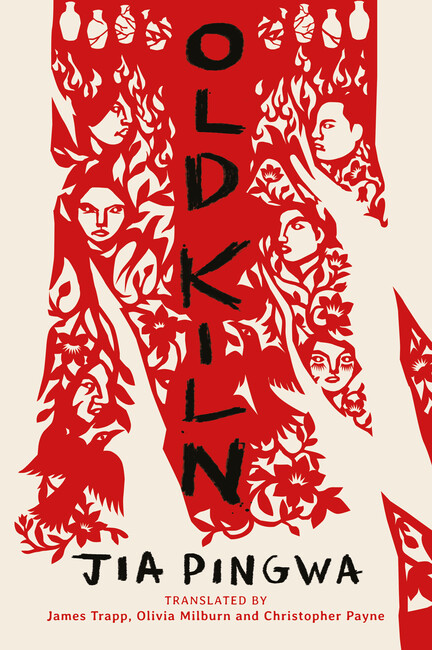
Old Kiln
Now in his seventies, Jia Pingwa is part of an ageing cohort of writers who can write about the Cultural Revolution from direct experience. Having resisted doing so for many years, in Old Kiln he confronts a painful history that he can no longer avoid. Jia plays to his strengths in writing about a remote and backward mountain village in his native Shaanxi province, where the once-proud porcelain trade has declined, leaving villagers to subsist on the meagre returns from communal farming. The village becomes a microcosm of the chaos and social upheaval brought about by the Cultural Revolution. Under the influence of a charismatic local thug, Bash, the town splits into rival factions and descends into internecine fighting and mutual denunciation. The novel is a ribald and lively social documentary about the wily opportunism that lurks at the heart of human catastrophes.
— Rónán Hession, Irish writer and book reviewer for The Irish Times.
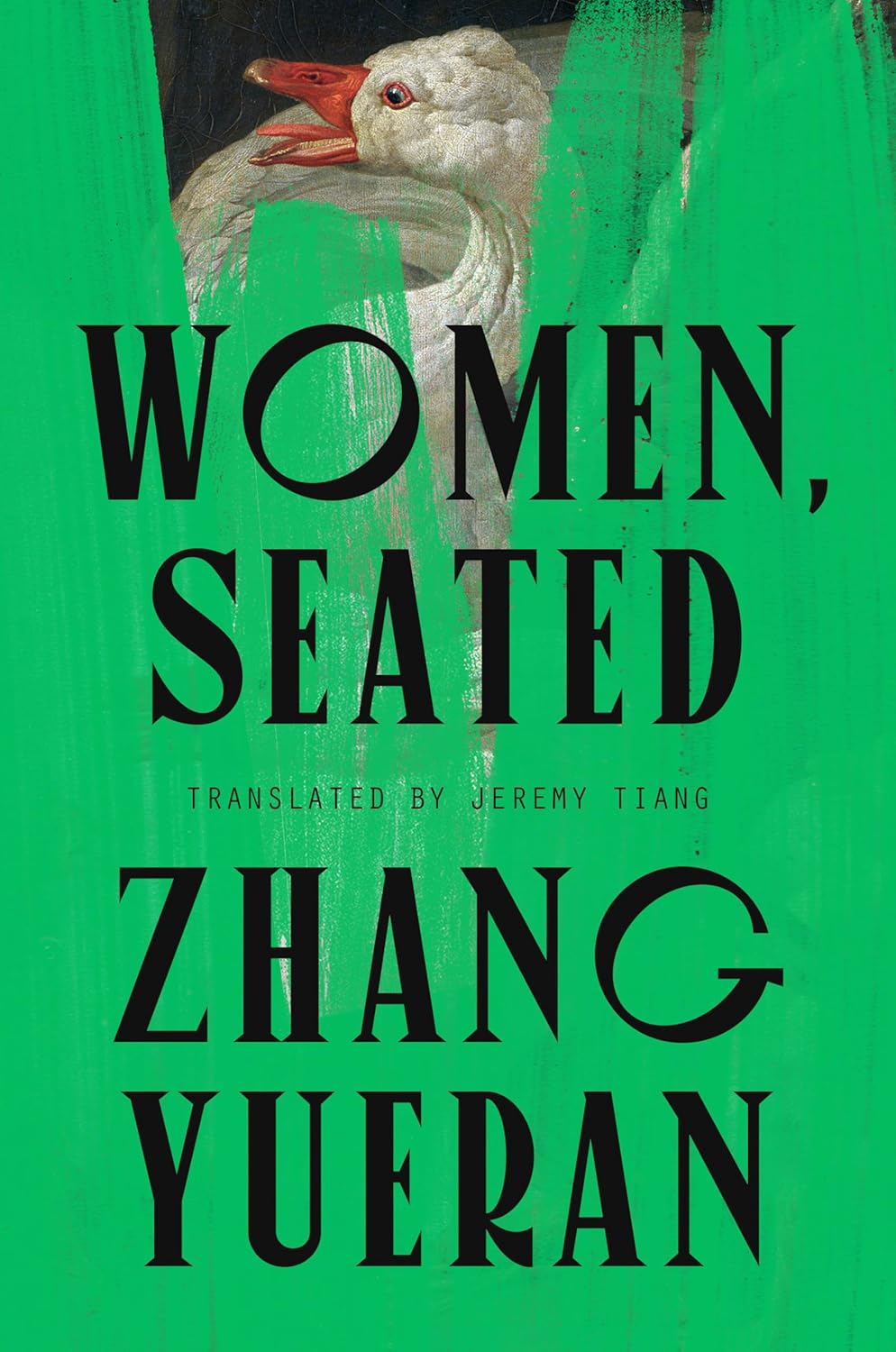
Women, Seated
At surface, Women, Seated is a crime thriller: a trusted nanny kidnaps the child of a top official. Zhang Yueran’s intrepid storytelling turns this sleek novel into a greater story of power and prestige in contemporary China, and the pressures that build along the fault lines of hidden pasts. In her “What China’s Reading” column for China Books Review, Na Zhong wrote that the Chinese original story, Swan Hotel (天鹅旅馆), explores the forces that “shape and distort relationships between the haves and have-nots.” The book’s English translation is a happy confluence of Zhang’s expanded version, her translator Jeremy Tiang, and the book’s acquiring editor, Han Zhang, here making her first foray into bringing the latest and greatest in Chinese literature to international audiences for Riverhead. Though streaked with characters’ deceit, Women, Seated tells as true a story about China today as the best reportage.
— As read in China Books Review’s book club.
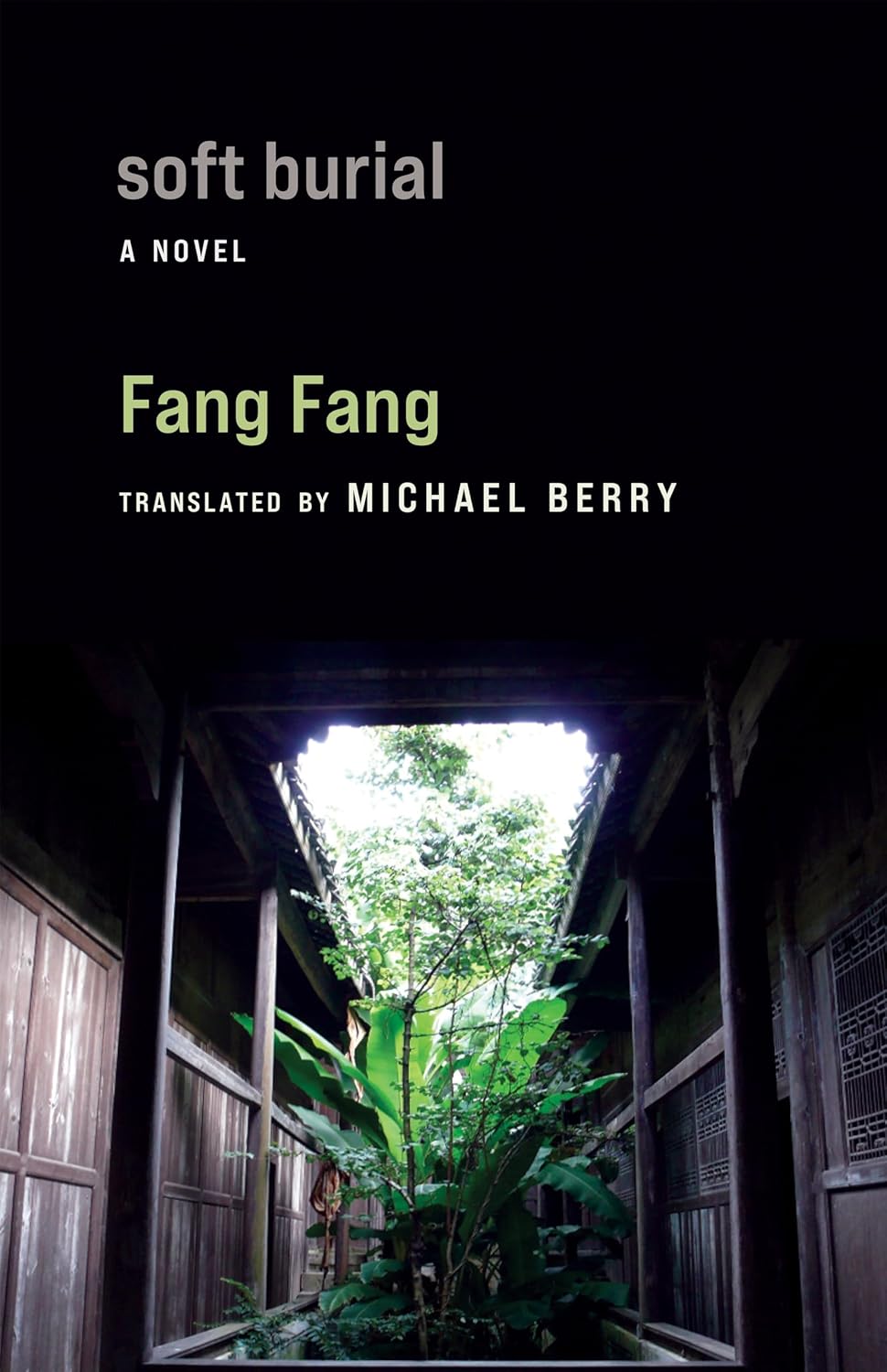
Soft Burial
A Novel
For years, the writer Fang Fang was one of China’s best-known establishment authors, writing closely observed stories about her native city of Wuhan. That changed with this novel, which was first published in Chinese in 2016 and quickly banned. In it, Fang tackles the Communist Party’s ultimate taboo: its brutal land reform campaign in the late 1940s and early 1950s, which eliminated the rural gentry that had run vast swaths of the country for centuries. At heart, Fang is an optimist: despite government efforts to erase the past and some people’s choice of amnesia as a way of dealing with past trauma, the novel argues that the truth will come out. Fang is best known abroad for Wuhan Diary, her critical account of the Covid lockdown of her hometown, but this is a far more significant work, which we now have in English thanks to Michael Berry.
— Ian Johnson, founder of the China Unofficial Archives.
Read Yangyang Cheng’s review.
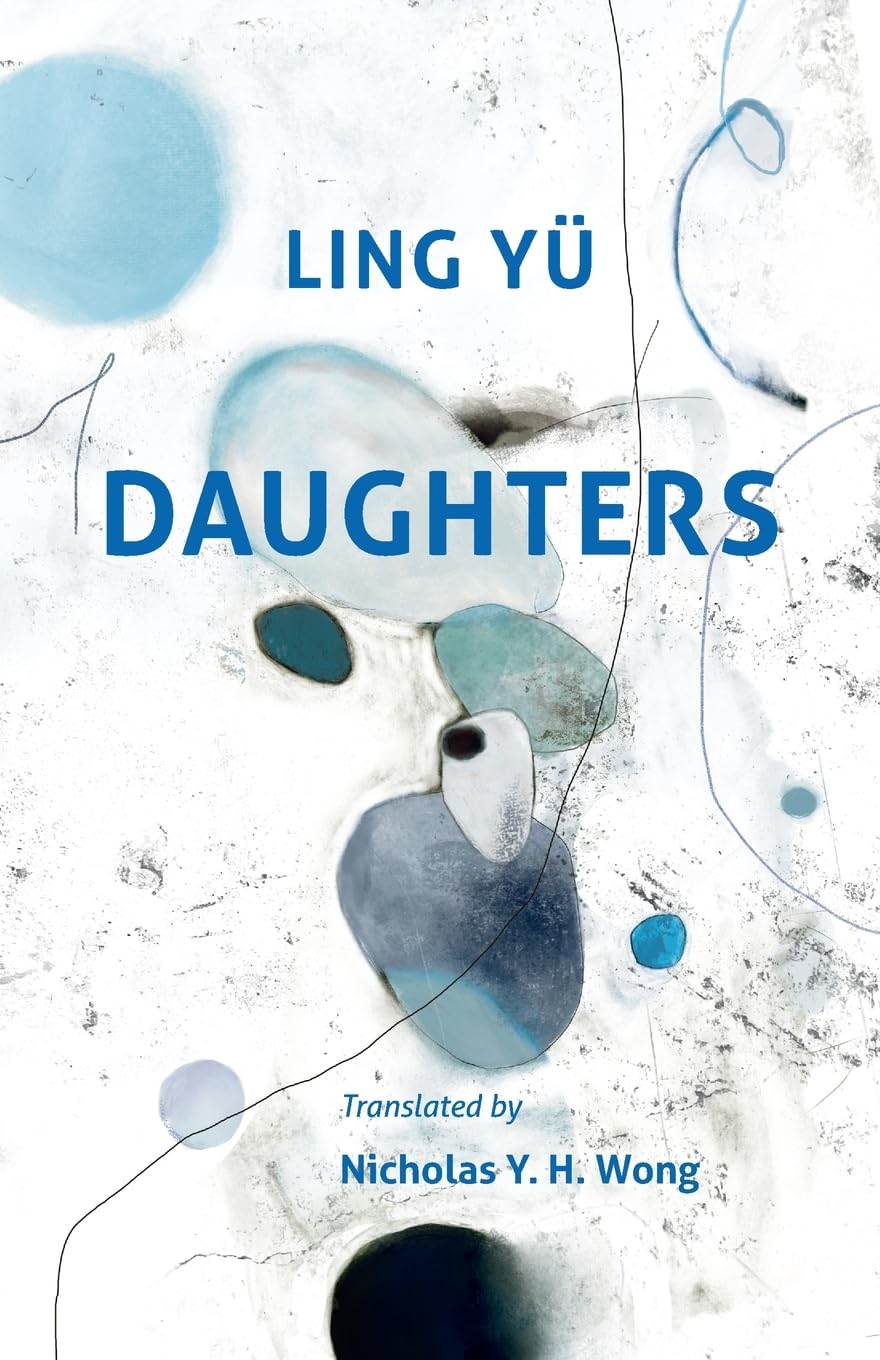
Daughters
Taiwanese poet Ling Yü (零雨) dedicates her poetry collection Daughters to her mother. In these poems, she reflects on her relationship with her mother and her role as a daughter, offering intimate insight into her life as well as her thoughts on family, sickness, ageing, cultural customs and gender inequality. Through her distinctive use of brackets and long dashes, the poet adds an extra layer of personal immediacy. The line “But as a woman, I have zipped my mouth shut (You taught me well)” encapsulates her mother’s lasting influence. Ling’s seemingly simple diction — carefully and artistically rendered in Nicholas Y. H. Wong’s English translation — conveys complex emotions that heighten the poetic tension between obedience, irony and sorrow. The feelings that reverberate long after each reading testify to the “untrammeled, ingenious lyricism” which earned her the 2025 Newman Prize for Chinese literature.
— Audrey Heijns, part-time lecturer, Centre for China Studies, The Chinese University of Hong Kong.
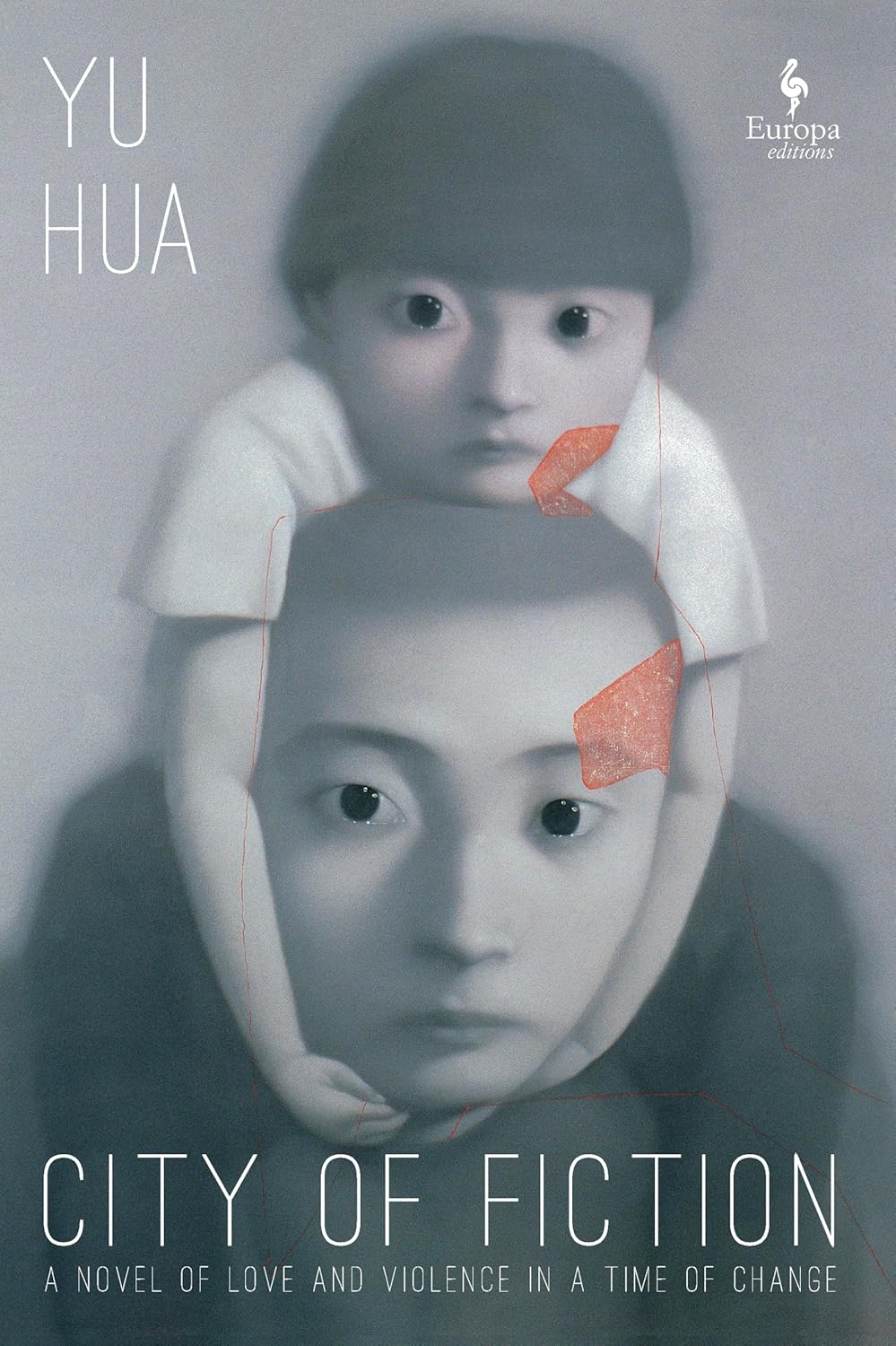
City of Fiction
The master is back. Yu Hua, famed for his classic novel To Live (2003), has done it again with City of Fiction. The plot starts simply enough: a northern Chinese man with a child strapped to his back walks south, seeking a city that doesn’t exist in hope of finding the woman who left him. A mythic blizzard then complicates everything. This epic tale is set against the convulsive upheaval of early 20th century China: a world of brigandry, revolution, missionary schools and dynastic collapse. Sweeping and tender despite bouts of squirm-inducing violence, City of Fiction is a story about an age not so different from our own. Fiction is meant to be inhabited, and Yu Hua has built us a city, and Todd Foley’s translation has given us the key.
— As read in China Books Review’s book club.
Read Sabina Knight’s review.
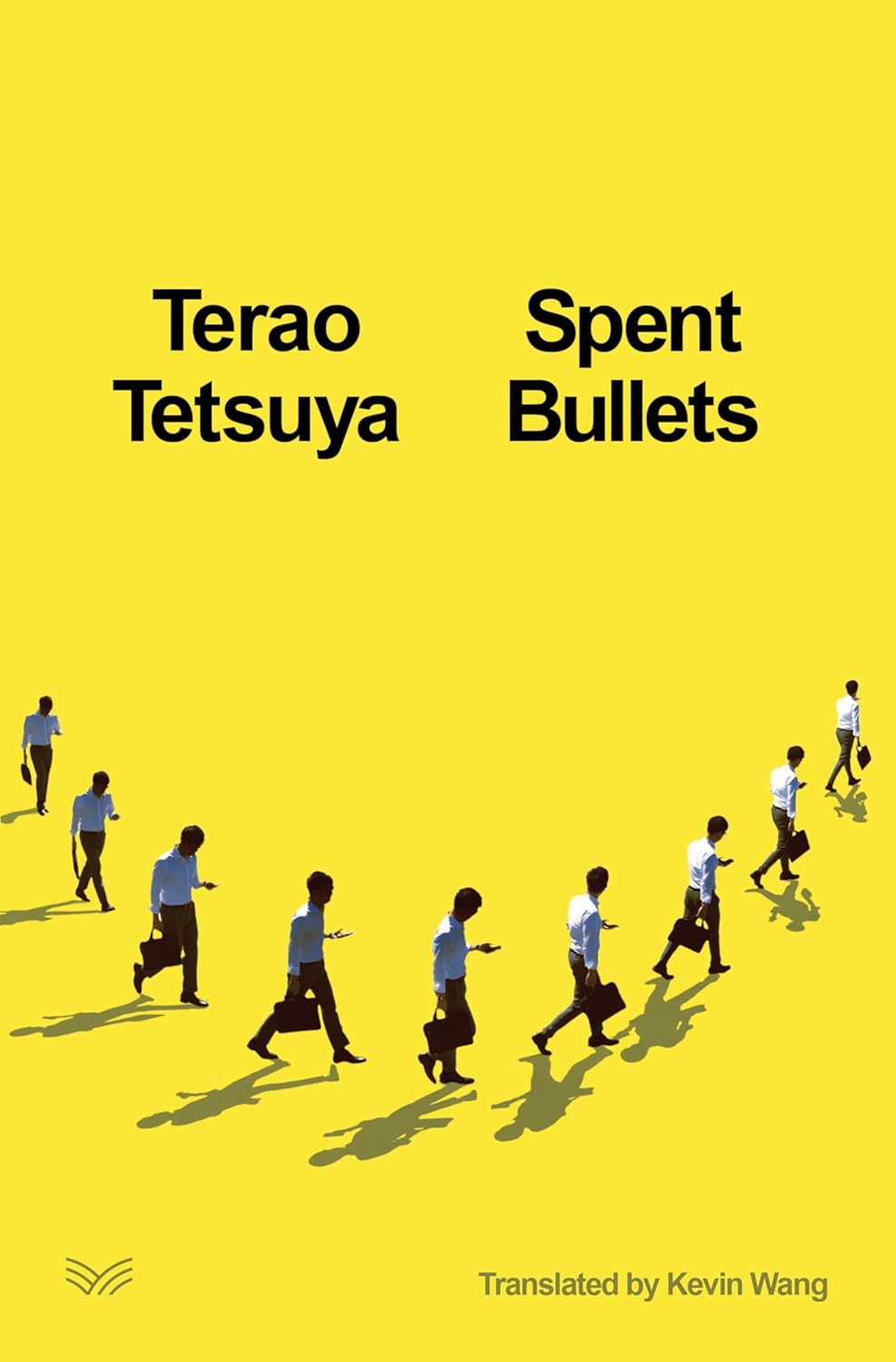
Spent Bullets
Jie-Heng, a Taiwanese computing prodigy, lands a coveted job at Silicon Valley. Not long after, he throws himself off the 23rd floor of a Las Vegas hotel. In this book of interlinked stories by Taiwanese author Terao Tetsuya (who worked for years as a Google engineer) patterns of self-harm abound, from drug addiction to self-mutilation. Each year, a group of Jie-Heng’s Taiwanese friends in Silicon Valley commemorate his death with a ritual of unpleasant devotion, honoring him with his “unfathomably nasty” favorite food, salted Greek yogurt. Tetsuya depicts their pain without sentimentality and with regard for those bearing it. “I’m afraid those seeking social commentary or indictments here will come away disappointed,” he writes in the introduction. Meanwhile, Kevin Wang’s crystalline, savage translation captures the painful absurdity of Tetsuya’s world.
— Michelle Kuo, author of Reading with Patrick (2018) and the Substack Broad and Ample Road.
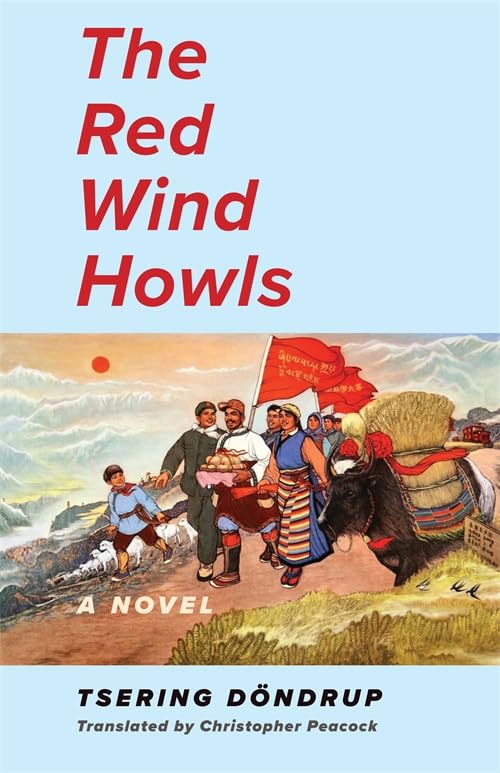
The Red Wind Howls
The Red Wind Howls is a banned historical novel about the cataclysms in the Tibetan region of Amdo under Mao Zedong. Structured as a diptych, we first follow three decades in the life of the delightfully despicable Alak Drong, a reincarnated lama corrupt in all ways imaginable, through labor camps reminiscent of Solzhenitsyn. Part two traces the Dharma-crossed romance of the monk Lozang Gyatso, who holds to his vows when he should renounce them (and vice versa), and the chaste Tashi Lhamo. Told with a raconteur’s daring, there is a macabre kineticism to the novel. Bodies tumble down streams, rise from roadside graves, swing from branches, disappear beneath avalanches. Tsering Döndrup, a highly celebrated “Tibetanized” Mongol author, is not banned in China, but he is trapped within it. Christopher Peacock’s mercifully fluid translation from the original Tibetan leads readers through a novel that might otherwise blow them over.
— Alexander Boyd, Associate Editor of China Books Review.
Read Benno Weiner’s review.
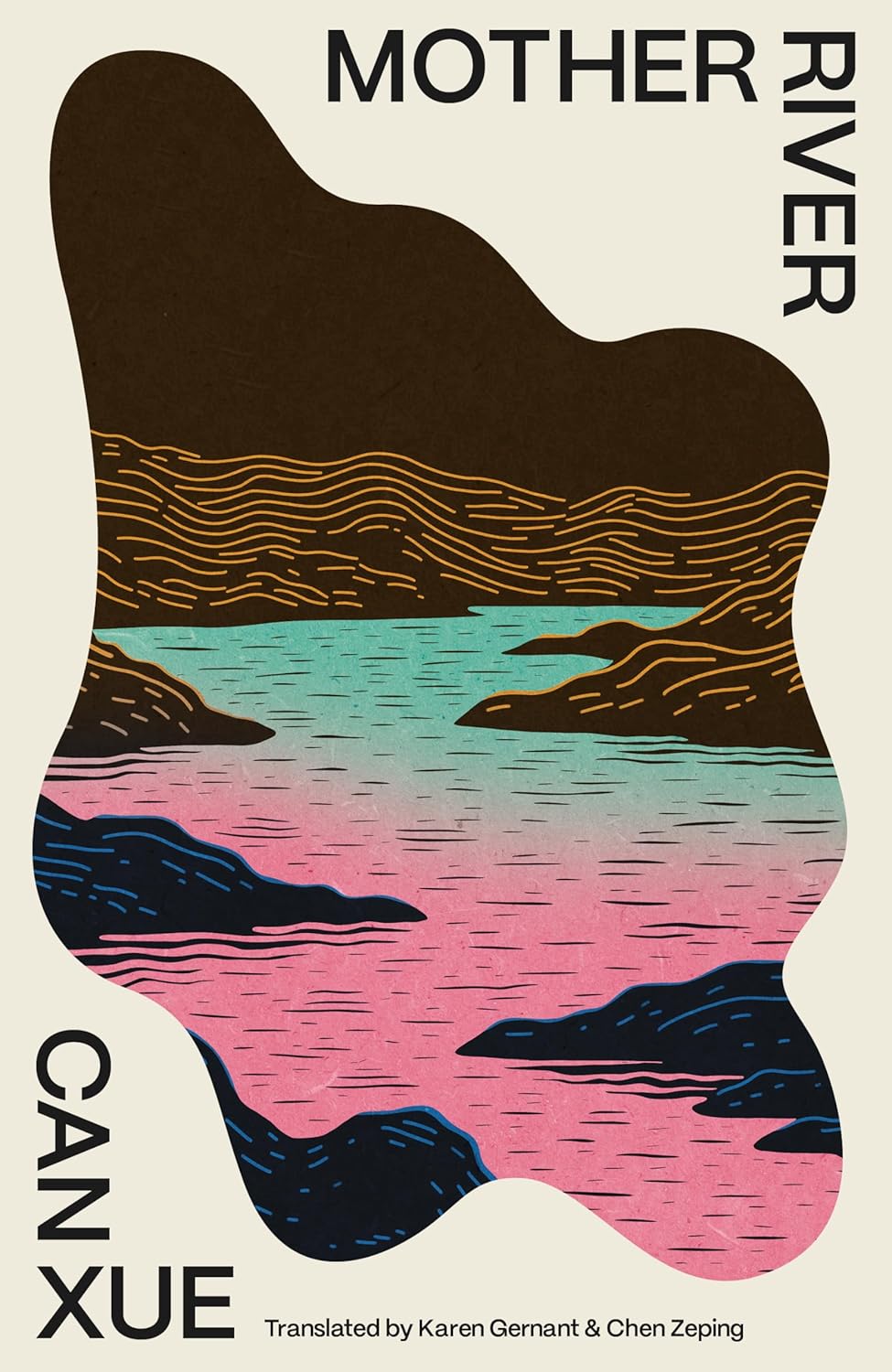
Mother River
At one point in the titular story of Can Xue’s 2022 collection Mother River, a friend of the youthful protagonist remarks that his parents arrived before their riverside village even existed. He adds that “in the past, the river, the fish, and the cobblestones were all close to people of my parents’ generation.” Although this passage is presented as a description of the distant past, it is also an apt characterization of the collection’s contemporary present. Expertly translated by Karen Gernant and Chen Zeping, the stories in Mother River hover at the boundary between realism and fantasy. The works’ human protagonists have enigmatic relations with an array of animals, plants, and even inanimate elements such as stones and odors. The result is an intimate exploration of human sociality and affect that transcends conventional visions of the human itself.
— Carlos Rojas, Professor of Asian and Middle Eastern Studies at Duke University.
That’s a wrap for 2025! Thank you for reading with us this year. If you enjoy China Books Review, do consider donating to support what we do, or tell a friend to follow us. New reviews, essays, columns, podcasts and more will follow in the new year. For now, here’s wishing you happy holidays, and strong shelves. ∎