logo for print

Lin Yao: How China Views Trump

The political scientist explains why some Chinese intellectuals admire Trump, how the meaning of liberalism has shifted, and mutual misunderstandings between China and America.

Inside the Camps

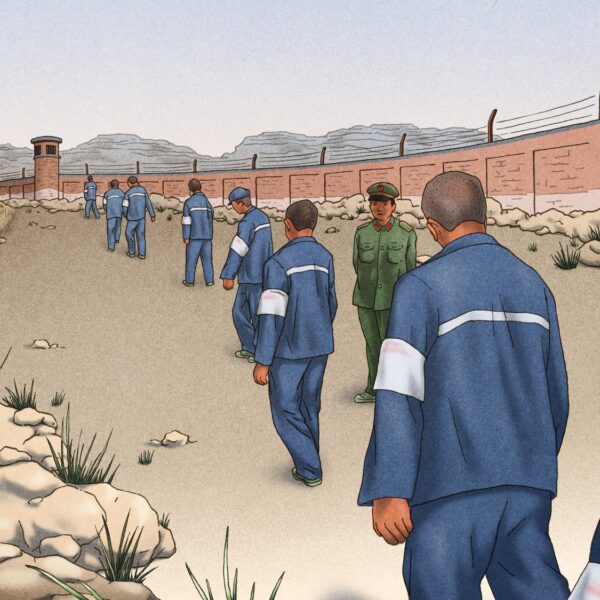
In 1991, a CBS investigation into China’s reform-through-labor camps shocked the world, exposing how prison-made goods were being exported to the U.S. Three decades later,...

A New World Disorder?

With Pax Americana crumbling, many countries in the Global South are turning to Pax Sinica as an alternative. So what are Chinese thinkers' vision for...

The Perfect Dictatorship?

A new book argues that “smart authoritarianism” enabled China's economic growth while keeping draconian control over its society. But is it really possible for the...

The Bomb is Back

The myth of China's nuclear restraint obscures the dangers of its rapidly expanding arsenal. A trio of recent books take us from the bomb’s origins...

Xiang Biao on a Society at the Edge

An anthropologist with a wide youth following and a knack for popularizing academic terms explains how China’s stratified society led to social malaise amid economic...

The Totalitarian Gene

A new theory of China’s political DNA advances a dark thesis: that totalitarianism is institutionally encoded in the nation-state, and cannot be reformed.
Browse the archive

20 Nov, 6:30-8pm; Asia Society, NYC

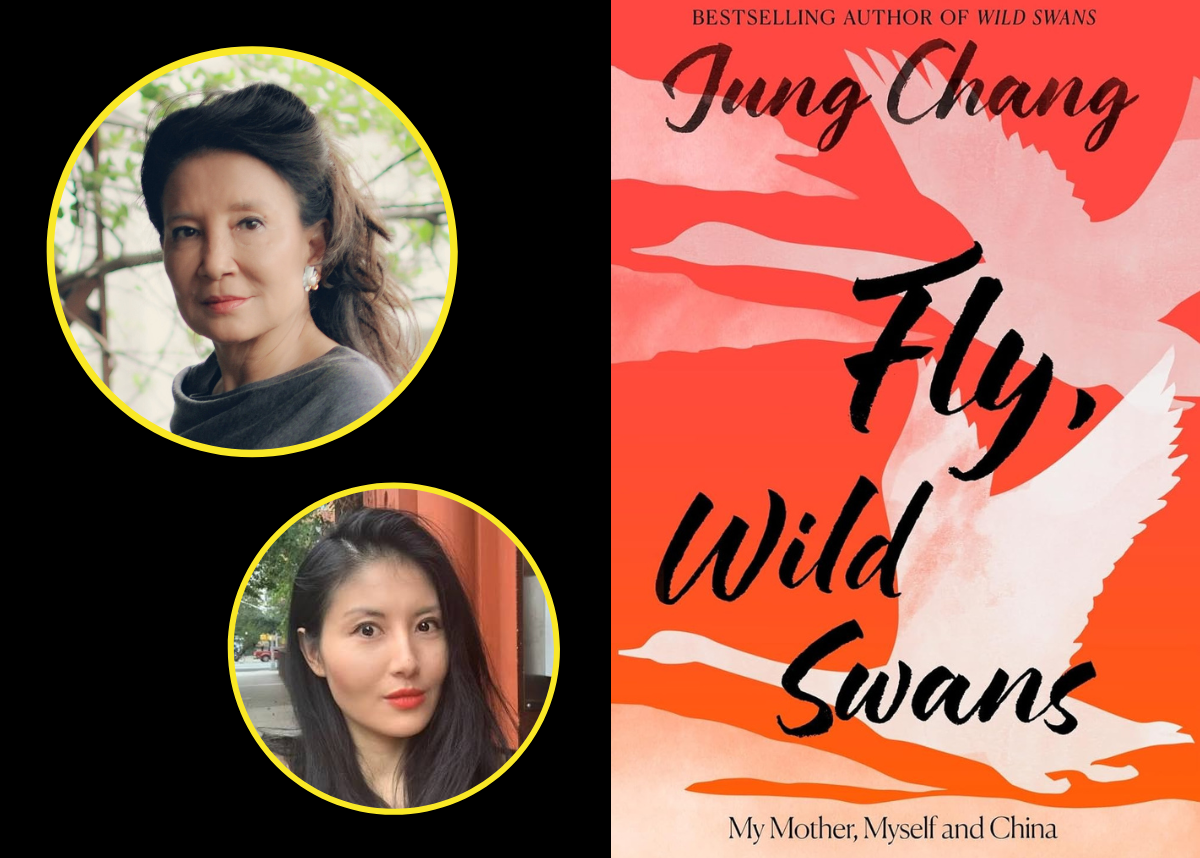
Jung Chang: My Life After China

Jung Chang, author of the multimillion copy bestseller "Wild Swans," comes to Asia Society to talk about her new book “Fly, Wild Swans,” a memoir that tells Chang’s story after leaving China in 1978, as well as that of her mother, who stayed behind. Moderated by New Yorker staff writer Jiayang Fan, we invite you to join us for this rare appearance, using code CBR15 for a $15 discount.
Register now