Sign up for our newsletter to be notified of new posts!
January, 1996. A bitterly cold night on the industrial outskirts of Shenyang, a city in the region of China between Beijing and Russia known as Dongbei, “the Northeast.” A young boy sneaks outside to admire the stash of illegal fireworks piled behind his house. His father, desperate after getting laid off from a construction job, had been working in an unlicensed fireworks workshop that shut down, sending its workers home with no compensation other than unsellable overstock. For the boy, the fireworks are an irresistible thrill:
He sticks a few sparklers in the snow, forming an evenly-spaced row. One by one, he ignites them at the base. Stars of fire blossom in the air. The earth blooms. Everything goes blinding white. He lights a few paper bees and watches them spiral upwards, filling the air with luminous smoke before dropping back into the darkness. Last of all, he sets up a few slender magic bullets, squeezing them against the handrail. He lights them carefully, and then, grasping them by the tail, angles them toward the sky. One magic bullet after another explodes in the far distance, blooming and then winking out.
The illegal fireworks set a nearby building on fire. By the time the police show up to throw his father in jail, the boy is already fast asleep. The father is released, but the desperation of single fatherhood leads to his ultimate arrest and execution for robbing banks in an attempt to scrape together money for his son’s schooling.
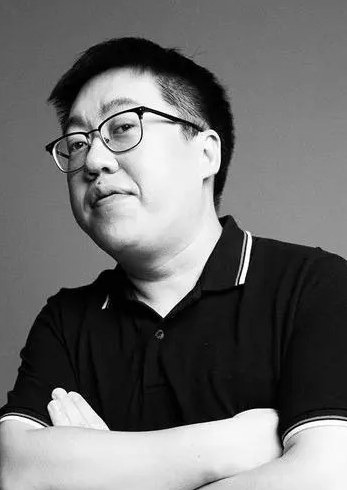
These scenes are from the 2018 novella “Gun Grave” (枪墓) by Ban Yu (班宇), then an emerging novelist just starting to make the leap from niche online popularity to broader attention. Critics were intrigued by Ban Yu’s evocation of his hometown: the harsh Northeastern winters; the desperation of laid-off industrial workers; the tension between large-scale economic calamity and the innocence of youth. What neither the critics nor Ban Yu could have guessed was that, within a few years, the literature of post-industrial anguish in the Northeast would become one of China’s biggest cultural juggernauts, dubbed the “Dongbei Renaissance” by critics and fans, catapulting Ban Yu and his cohort into the highest echelons of literary stardom. Nor could they have imagined that this cultural phenomenon would eventually become a victim of its own success, as the increasing efforts of commercial and state interests to stake their claim on the movement sapped it of the goodwill that fueled its rise.
The story of Ban Yu’s career, from a pseudonymous poster sharing music reviews on the internet to a state-endorsed celebrity author trying to escape the gravitational pull of a cultural movement he never intended to spark, is the story of how literary celebrity works in China today. It’s also the story of the inherent tension between an intellectual audience that loves subversive voices from outside the system and an official literary establishment that’s designed to absorb outsider voices into that system as quickly as possible.
The literature of post-industrial anguish in the Northeast has become one of China’s biggest cultural juggernauts, dubbed the ‘Dongbei Renaissance.’
The Dongbei Renaissance is rooted in the experiences of the Northeast’s urban industrial workers around the turn of the 21st century, when Ban Yu, born in 1986, was still a teenager. “Being a ‘child of the city’ has always been an important part of the identity of Dongbei writers,” Ban Yu told me when I visited Shenyang to interview him last year. We were in a coffee shop in the historically industrial Tiexi District, not far from the site of the urban workers’ village where he grew up. Throughout our conversation, he spoke seriously and deliberately, often stopping to stare intently into the distance as he considered his next words. “Shenyang was one of China’s first industrial centers, so its urbanization happened on the early side. … Authors from other parts of China write more about small-town or village life, but those things are totally absent from my memory. I never experienced them. My life always took place within the highly standardized environment of factory complexes and workers’ apartments.”
In the 1970s and 1980s, state-owned factories provided stable employment and income for many urban residents in Shenyang and other large Northeastern cities. Following China’s national transition to a market economy during the Reform era, however, these factories became unprofitable. Millions of Northeastern workers were laid off in the 1990s and early 2000s, abruptly losing access to their livelihoods and government-provided safety nets in what came to be known as the “wave of unemployment” (下岗潮).
Ban Yu, along with other future authors of his generation, experienced this period of economic trauma from the perspective of a child. A transformer factory in Tiexi District had employed several generations of his family, including both of his parents and grandfathers. The unemployment wave crashed through his life slowly, claiming first his mother’s job in 1999, followed by his father’s in 2001. After getting his degree in computer science from Dongbei University, he found a job as a classical books editor at a publishing house in Shenyang and wrote rock music reviews on the social media platform Douban under the pen name “Tank Driver Vegeta” (坦克手贝吉塔). A friend convinced him to submit his short stories about life in Shenyang to a Douban writing competition, and his first-place finish marked the beginning of his more public re-examination of his childhood through the medium of fiction.
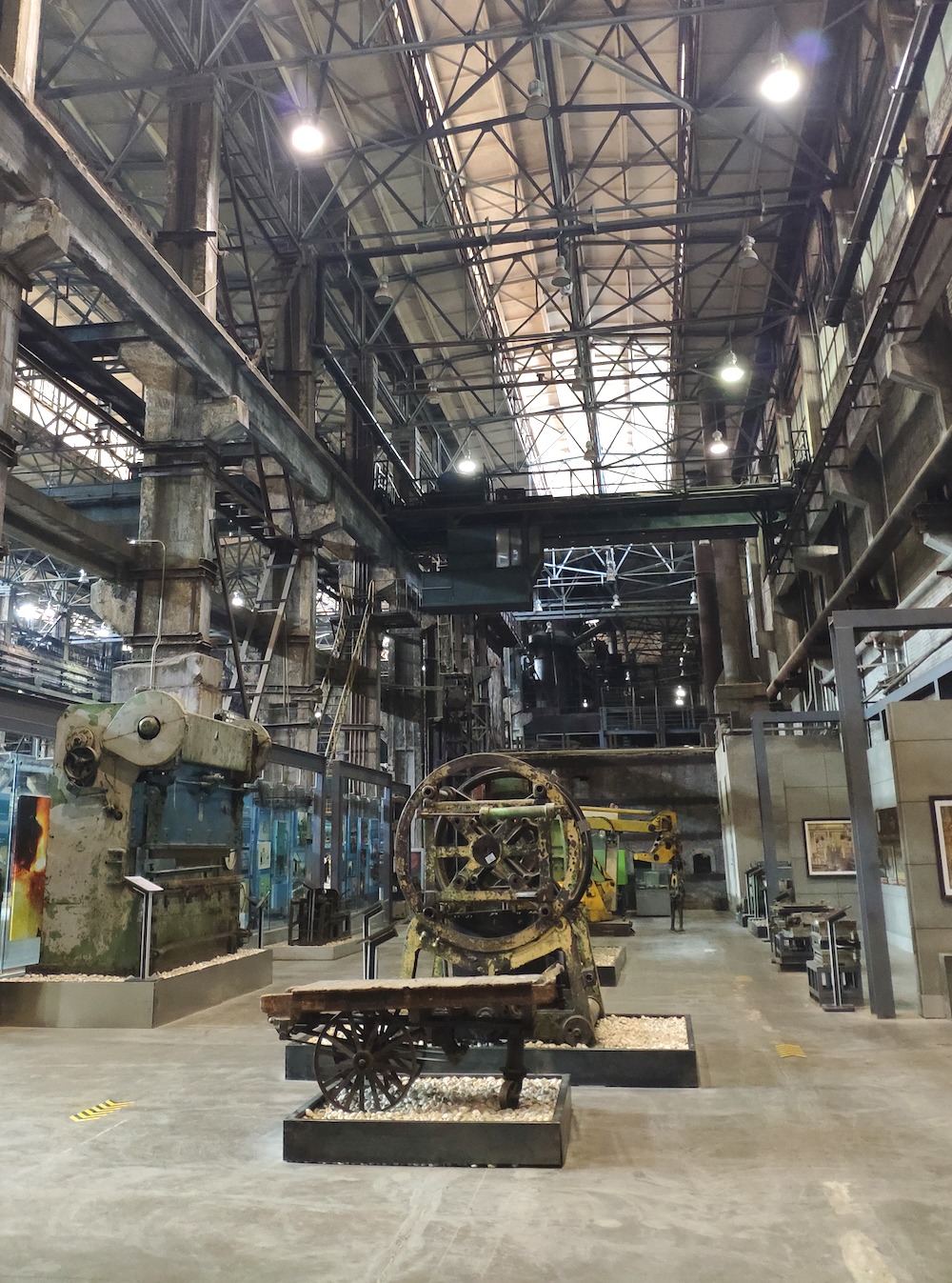
Ban Yu wasn’t the first to make art about unemployment in the Northeast. A handful of earlier films documented the desperation of workers cut off from their livelihoods, including Wang Bing’s documentary Tie Xi Qu: West of the Tracks (2002) and Zhang Meng’s drama The Piano in a Factory (2010). In Ban Yu’s earliest work, however, the region’s social and economic conditions are narrated from the perspective of children who experience the crisis through its second-order effects. They grow up among the hustlers and unlicensed bicycle-taxi drivers of post-industrial Shenyang, shuttled from home to home as their fathers try to find a way to pay their tuition and keep their families afloat. A recurring motif in Ban’s stories is the mother figure who suddenly vanishes from her son’s life, whether through illness or death or because she cannot bear the burden of parenthood under the harsh economic reality of mass unemployment. In “Gun Grave,” the protagonist is too young to fully comprehend the economic calamity that has befallen his community, but not to perceive the progressive dissolution of his family.
These traumatic memories of the economic transition shaped a generation of young people in Northeastern industrial cities, but they were rarely acknowledged in mainstream narratives about the region, much less in official media. When Ban Yu’s short stories began to gain traction in the late 2010s, public perception of the Northeast gradually shifted. Along with Shuang Xuetao (双雪涛) and Zheng Zhi (郑执), two other young authors from Shenyang who published fiction about the unemployment wave around the same time, he pioneered an aesthetic that would quickly become ubiquitous in popular depictions of the Northeast: stark, icy landscapes dotted with abandoned wells and hollowed-out buildings; gritty, realist plots reminiscent of Scandinavian noir; and liberal use of Dongbei dialect. As Ban, Shuang and Zheng attracted wider attention, they were dubbed the “Three Swordsmen of Tiexi,” avatars of “New Northeast Literature” before a Shenyang rapper came up with the term Dongbei Renaissance and the label stuck.
Ban Yu was a new breed of literary celebrity. Unlike the state-approved literary bestsellers of the prior generation — bookstore mainstays like Mo Yan and Yu Hua, who made their reputations on primarily rural-themed fiction published in prestigious, state-affiliated literary journals — he belonged to the first generation of serious literary authors who came up through online and commercial publishing, where they could build eager fanbases without needing to secure the endorsements of the official cultural establishment.
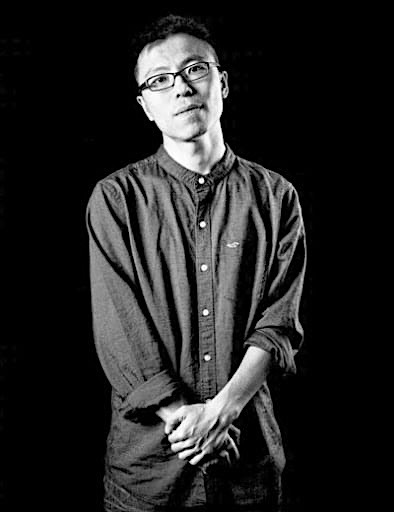
Of the Three Swordsmen, Shuang Xuetao was the only one to chart a path to literary prestige via traditional literary prizes, including the Taipei Literature Awards, of which he became the first mainland Chinese recipient in 2012. Zheng Zhi made his name writing serialized web fiction while still in college, before transitioning to commercial genre fiction in the early 2010s and serious literary fiction by the end of the decade. Unlike Han Han and Anni Baobei, defining figures of the first wave of web-based literary fiction in the early 2000s, Ban and Zheng did not have to contend with accusations that their internet origins made them unserious or unliterary. For them, the internet was the logical place to express themselves, vastly more effective than traditional print literary magazines in reaching like-minded audiences on their own terms.
It took the Covid pandemic to boost the Dongbei Renaissance from niche popularity to mainstream pop-cultural fascination. For young people across China, set adrift by the pandemic and anxious that the prosperity enjoyed by their parents would disappear, these stories of post-industrial desperation and instability felt like a radically honest evocation of their own lives. The Three Swordsmen weren’t just revisiting China’s checkered history, as older mainstream authors had done before; they were recasting that history from the perspective of urban, internet-savvy millennials. The contrast with the traditional literary establishment — defined by state-affiliated honors like the Lu Xun and Mao Dun literature awards, and cultural bodies like the National Writers’ Association (中国作家协会) — was obvious. If the establishment felt increasingly obsolete and out of touch, the Dongbei Renaissance was an organic, youth-driven movement willing to face the darkness and instability of modern life head-on. By the end of the pandemic, Ban, Shuang and Zheng’s short-story collections were featured prominently at the front of nearly every bookstore in China.
For young people across China, these Northeastern stories of post-industrial desperation and instability felt like a radically honest evocation of their own lives.
As the popularity of Dongbei literature soared, the Three Swordsmen seemed uneasy being so tightly identified with a narrow regional focus. They had never explicitly welcomed the term “Dongbei Renaissance,” nor were they a coordinated literary movement. The habit of readers and the media of tying their identities as writers to the specific historical context of the factory closures of the 1990s was starting to look like a creative prison. Shuang Xuetao, a Beijing resident since 2015, was the first to distance himself from the label of “Dongbei author.” Even as his earlier books continued to fly off the shelves, he made a definitive shift toward stories about disaffected urban residents in Beijing, acknowledging that he feels restricted by readers’ expectations for more Dongbei stories.
Ban Yu, too, increasingly sets aside the overt regional themes on which the so-called Dongbei Renaissance was built. The title story of his 2022 collection A Slower Pace (缓步), for instance, flips the formula from his earlier work on its head. Following a single father learning to raise his daughter alone as he processes his grief toward the wife who left him, the story is driven by the narrator’s desperation to be a good person instead of economic anxiety. “If you keep writing about the same things, you’re going to start repeating yourself,” Ban Yu told me.
Nor does a new generation of Northeastern writers seem likely to dwell on the stories of laid-off factory workers. “Shuang Xuetao and the rest of us,” said Ban Yu, “we’re all basically the same age, children of the 1980s. The next group of writers to emerge will definitely be younger than us. They don’t have personal experience of that period of decollectivization.” As the Three Swordsmen moved on from writing about the unemployment wave of the 1990s and 2000s, they were ready for the movement they had started to reach the end of its lifespan.
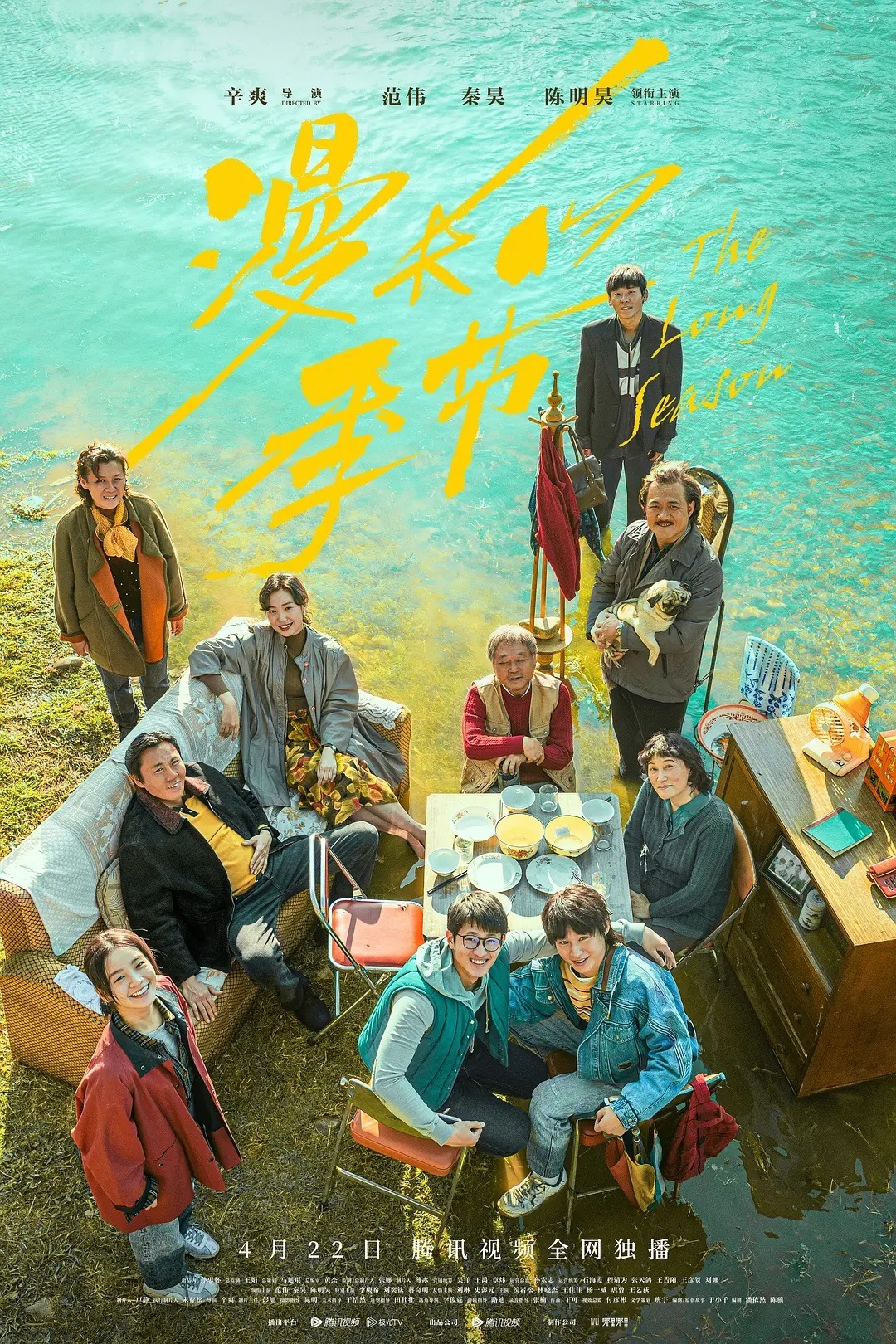
Ironically, the more they moved on in their own writing, the faster the brand of the Dongbei Renaissance seemed to grow without them. Film and television recognized the commercial potential of this new subject material, and new adaptations of the Three Swordsmen’s gritty early work about the laid-off generation were hitting theaters every few months, sometimes capturing the authentic tension and subversiveness that made the original stories so appealing. Most notable and highest-rated was the 2023 TV drama The Long Season (漫长的季节), revolving around a murder near a steel plant in the 1990s, for which Ban Yu — who wrote a story with the same name — was the “literary planner.”
Many more of the new adaptations stumbled. Some underwent severe cuts before being granted a wide release in mainland China, including the 2021 film Fire on the Plain (平原上的火焰) — adapted from Shuang Xuetao’s 2015 novella Moses on the Plain (平原上的摩西) — of which nearly 10% of the initial international release was removed before domestic distribution finally began last year. Other films have had their official release dates pushed back repeatedly without explanation, including an adaptation of “Gun Grave” by millennial director Liang Ming. Still others have earned wide releases while leaving audiences unimpressed with the treatment of the source material. Even as a cottage industry has grown around academic criticism and literary magazine columns dissecting the Dongbei Renaissance phenomenon, readers and moviegoers have taken to social media sites like Douban and RedNote to vent their exasperation. “The Real Dongbei Is Being Erased by Dongbei Literature,” read the headline of a viral WeChat post earlier this year that criticized the genre’s focus on the historical traumas of the 1990s — seemingly unaware that the authors themselves largely moved away from that topic years ago.
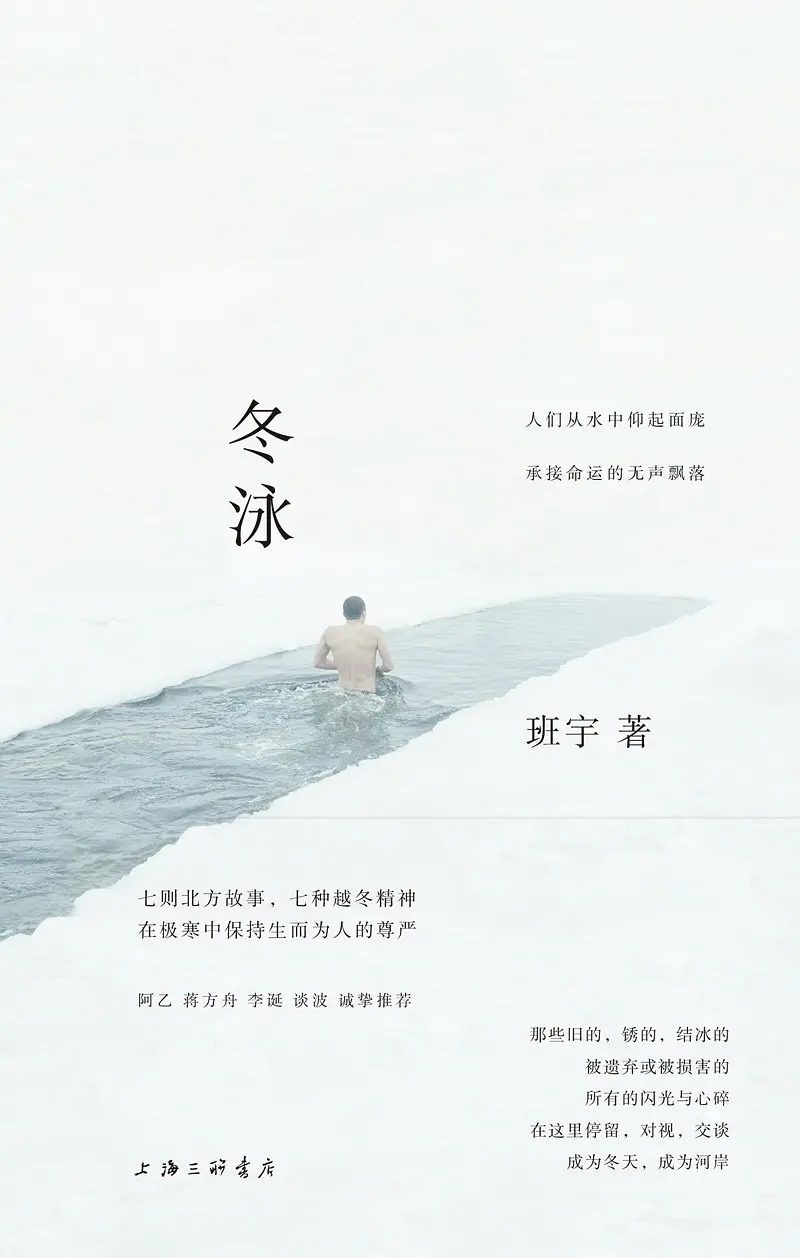
Whereas Northeastern stories were once prized by young readers for their independence, the state literary establishment is now attempting to absorb their cachet. Earlier this year, Ban Yu’s 2018 story collection Winter Swimming (冬泳), that included “Gun Grave,” was featured on a list of books by young authors that the government seeks to promote, part of its push to elevate the status of Chinese literature abroad. (Tony Hao’s translation of “Take Me Out to the Ballgame,” from the same collection, was published in Granta in 2024.) Ban Yu was also awarded the prestigious Lu Xun Literary Prize this year, definitively marking his acceptance by the official literary establishment, where he joins Shuang Xuetao and Zheng Zhi, who were elected to the National Writers’ Association in 2021 and 2022 respectively.
To the extent that the Dongbei Renaissance still exists, it is as a branding exercise — no longer a living movement to which authors and readers turn to express honest anxieties about the past and future. Perhaps such a disconnect is inevitable in a cultural environment where consumers are constantly on the hunt for authentic stories produced beyond the reach of the official establishment, while that same establishment searches for fresh trends that it can absorb to better reach younger audiences. If you know to look for it, this same life cycle can be discerned in several other grassroots literary movements, such as the migrant workers’ literature that burst into the public eye around 2023, sparking a widespread fascination with what became known as “amateur writing.” As working-class memoirs flooded the literary market to meet the new demand, state cultural bodies scrambled to promote their own “amateur writing” initiatives, by which time popular interest and trust in the genre rapidly cooled.
Whereas Northeastern stories were once prized by young readers for their independence, the state literary establishment is now attempting to absorb their cachet.
Meanwhile, the Three Swordsmen of the Dongbei Renaissance are still experimenting. All three frequently state that they no longer wish to be pigeonholed according to the regional and historical subject material that made them famous. With this freedom, they are producing some of the best work of their careers. This summer, Zheng Zhi released a new novel titled Crimson Fist (朱砂掌), a decades-spanning literary thriller imagining a murder case surrounding a troubled working-class woman in Shenyang during the height of the Covid pandemic, narrated by an alcoholic female reporter who becomes obsessed with the case. Shuang Xuetao has thoroughly swapped out his icy Northeastern plots for stranger, deeper, more boldly experimental stories set in Beijing. The maturity of his recent work is on ample display in Hunter (猎人), his latest collection of short fiction to be translated into English by Jeremy Tiang.
Ban Yu, meanwhile, has kept closer ties with his hometown than his fellow Swordsmen, and the gray cityscapes of Shenyang still feature prominently in his recent work. Still, in his newest collection, White Elephant (白象), he has unmistakably moved beyond the gritty post-industrial aesthetic. The Northeast of his new fiction is a mystical, dreamlike place — mysterious and strangely hopeful, where it used to be desolate and bare.
In this new fiction, these authors succeed in recapturing the authenticity and freshness of their breakout work precisely because they are uninterested in slotting into the old Dongbei Renaissance mold that everyone, from readers to moviegoers to the government, expects them to fulfill. As ever, the heart of China’s literary innovation lies outside the cultural mainstream, in those pockets of creativity where independent authors — those young and bold enough to be trying something new — produce work that the cultural establishment hasn’t yet found a way to absorb. ∎
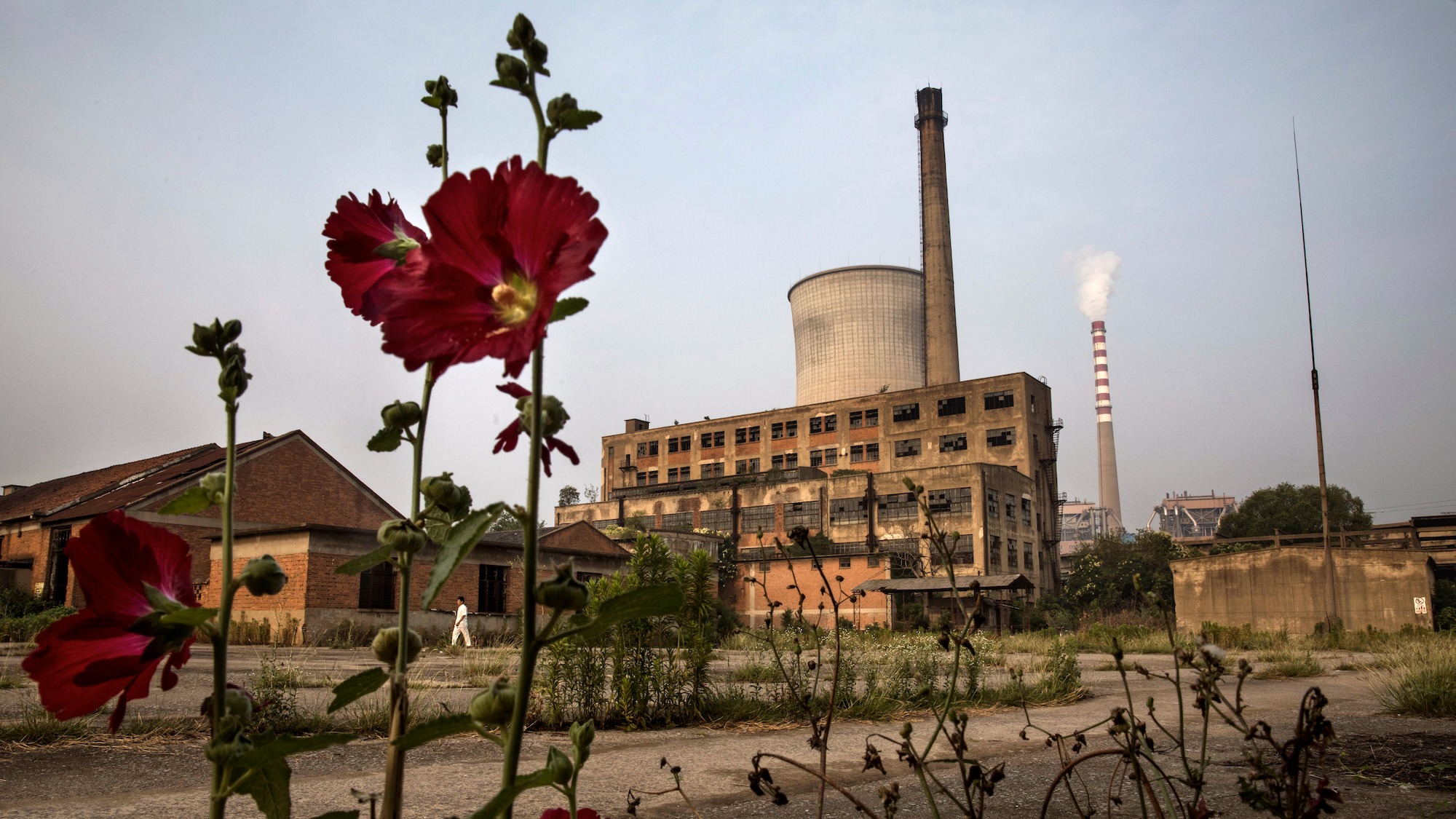
All translations from Chinese by Andrew Rule. Feature image: A smokestack from a coal-fired power plant next to an abandoned former paper factory, Huainan, 2017. (Kevin Frayer/Getty)

Andrew Rule is an editor and Chinese-to-English translator from the U.S., based in Beijing. Winner of the 2026 Comma Press Emerging Translator Prize, his translation of A Taipei Girl’s Retro Shopping List by Hung Ai-chu will be published next spring. Rule is operations manager of the translation nonprofit Paper Republic and writes the Cold Window Newsletter about new Chinese fiction.